Consumer Spending Sparks Surprise GDP Lift as Tech and Retail Sales Surge
 Joe Gallop
03 Sep 2025
Joe Gallop
03 Sep 2025
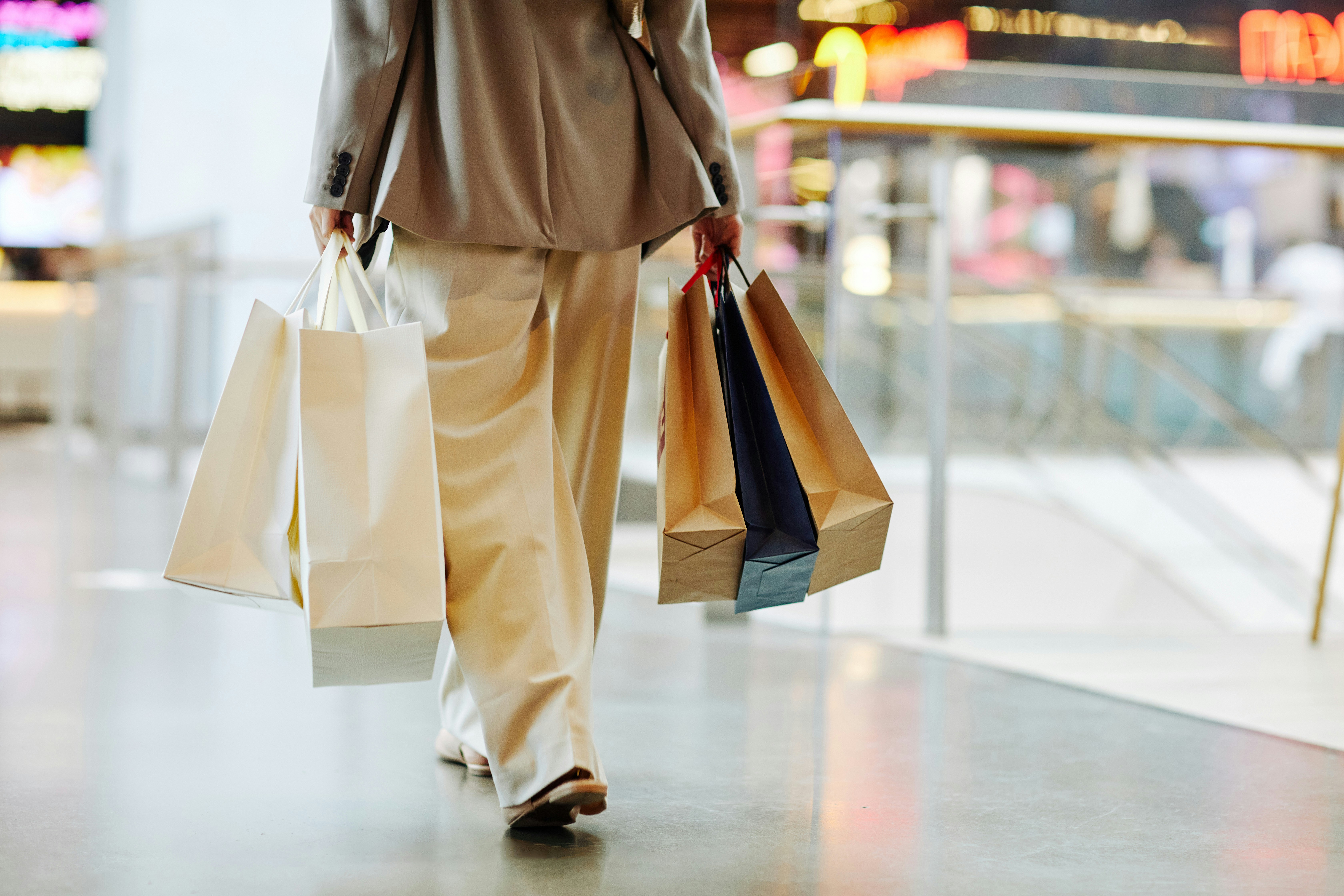
Australia’s economy outpaced forecasts in the June quarter, with shoppers driving a stronger-than-expected lift in growth as end-of-financial-year (EOFY) deals on tech, cars and household goods spurred a consumer rebound.
Gross domestic product (GDP) grew 0.6% in the three months to June, according to the Australian Bureau of Statistics (ABS), pushing annual growth to 1.8%, which is the fastest pace in nearly two years.
Economists had tipped a softer result, with weak business investment and easing government spending expected to weigh more heavily.
Instead, consumers became the engine of growth.
Household spending jumped 0.9%, driven by a 1.4% surge in discretionary purchases – the strongest quarterly rise in non-essential outlays in three years.
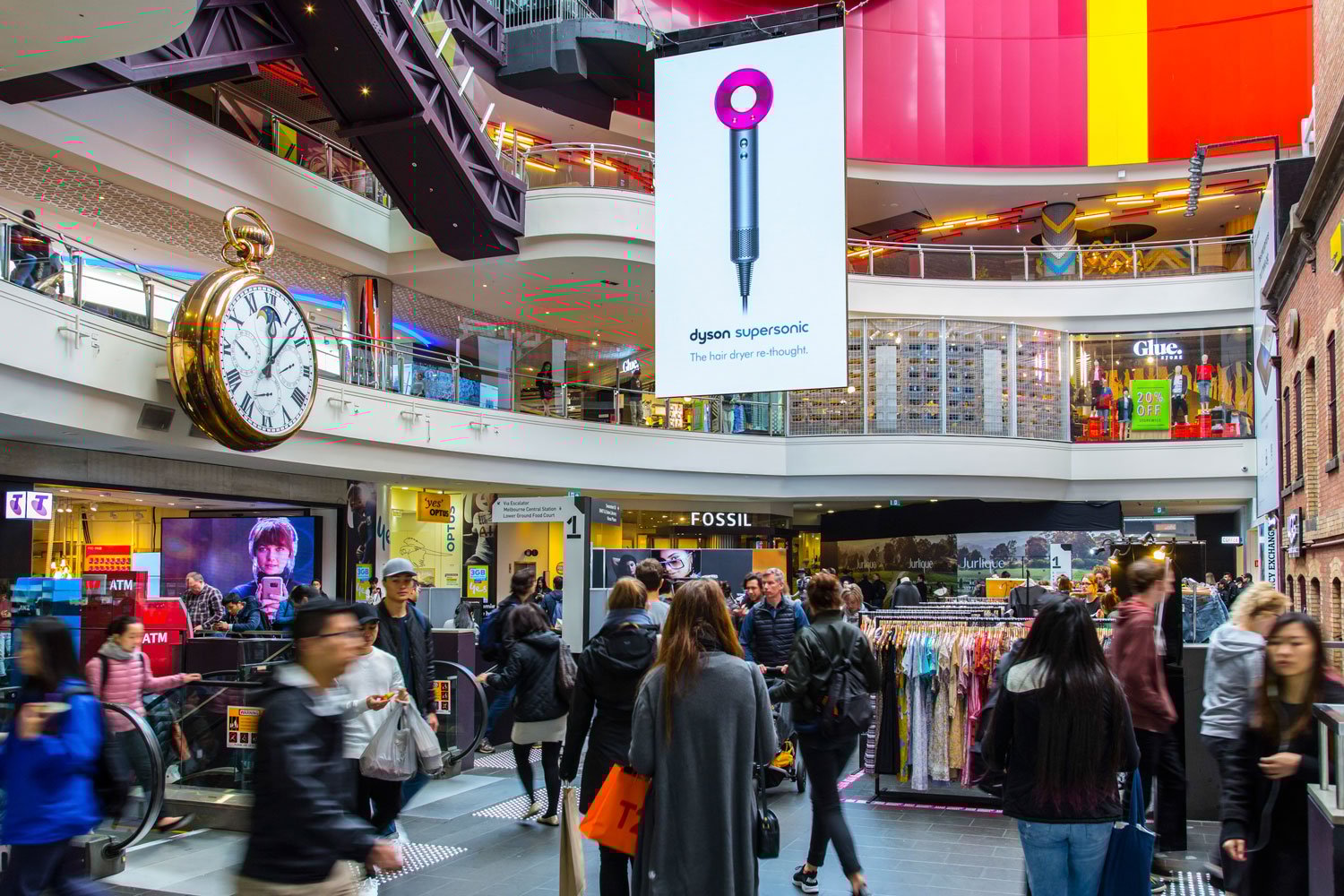
The ABS said EOFY sales, new product releases and a cluster of public holidays encouraged Aussies to splash out on electronics, furniture and vehicles, as well as services like restaurants, hotels and travel.
“Households took advantage of discounts and the holiday calendar to spend on both goods and experiences,” ABS head of national accounts Tom Lay said.
The spending boost came at the cost of savings, with the household savings ratio falling to 4.2% from 5.2% in March.
Analysts noted that tax cuts and earlier Reserve Bank of Australia (RBA) rate reductions also helped free up disposable income.
While households opened their wallets, other parts of the economy remained subdued.
Non-residential construction slipped 2.2%, and spending on machinery and equipment fell 0.7% over the past year.

Government outlays, which had powered growth through the pandemic and high-inflation years, contributed nothing to GDP in June as falling infrastructure investment offset higher recurrent costs such as the federal election.
Exports added modestly to the result, with iron ore and LNG shipments recovering after weather disruptions earlier in the year.
A lift in tourism, particularly from New Zealand, also supported services exports.
With inflation back inside the RBA’s 2–3% target band, financial markets now expect at least two more rate cuts by March, which could further support household demand heading into Christmas.
Still, economists warn growth may have peaked for the year. Business investment remains weak, and a cooling labour market could limit the consumer-led rebound.
For now though, Australia’s tech retailers, appliance makers and car dealers are the winners.