Chipmakers Including Samsung Set to Dodge Trump’s 100% Tariffs
 Joe Gallop
14 Aug 2025
Joe Gallop
14 Aug 2025
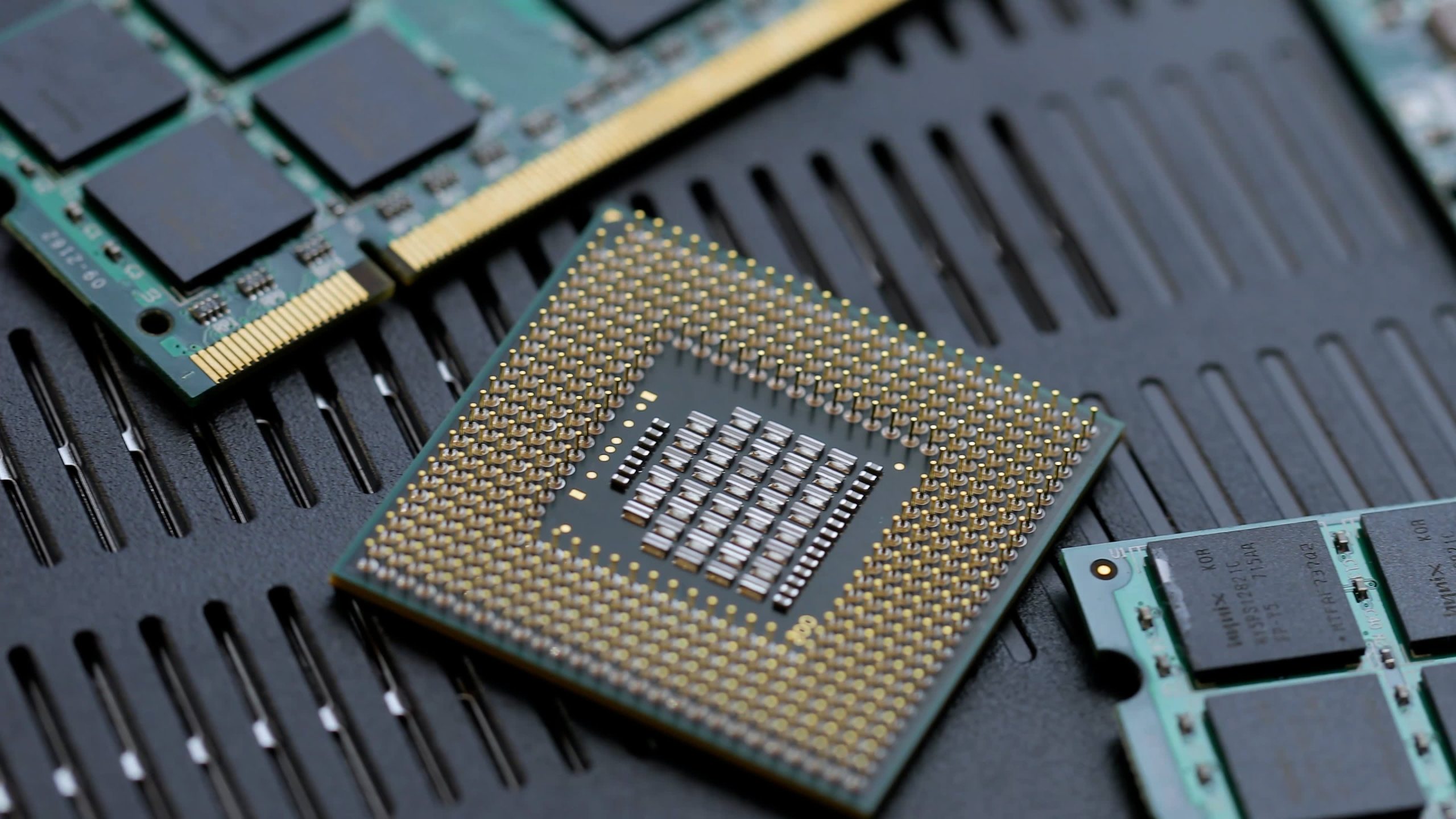
As analysts closely track the impact of Trump’s proposed 100% tariff on imported semiconductors, new developments have brought relief for some of Asia’s biggest chipmakers.
US Commerce Secretary Howard Lutnick has clarified that the sweeping levies will not apply to foreign chipmakers currently building manufacturing plants in America.
The exemption appears to cover South Korea’s Samsung Electronics and SK hynix, both of which have multi-billion-dollar US projects underway, as well as Taiwan’s TSMC, which is constructing a major chipmaking hub in Arizona.
Speaking on Fox Business, Lutnick said that companies committing to build in the US during Trump’s term – and proving it through audits and Commerce Department oversight – could import chips tariff-free while construction is underway.

“The objective is to get semiconductor manufacturing done here,” Lutnick said, estimating the push could trigger US$1 trillion in investment.
The clarification follows Trump’s announcement earlier this week of blanket 100% tariffs on all imported chips, which had rattled Korean and Japanese semiconductor stocks.
Samsung runs a Texas foundry and is building a second facility in Taylor, set to open in 2026, while SK hynix has pledged a US$3.87 billion advanced packaging plant for 2028. Market analysts say both are now likely in the clear.
The tariff move is part of Trump’s broader “America First” manufacturing push but it comes alongside a temporary easing of trade tensions with China.

The White House confirmed this week that the president has signed an executive order extending a tariff truce with Beijing by another 90 days, keeping current duties at 30% instead of escalating to as high as 80% or more.
The extension delays a potential escalation in the US-China trade war, which has seen tariffs swing from triple-digit levels to more moderate rates over recent months as both sides pursue a longer-term deal.
Negotiations are ongoing, with recent talks in Stockholm and London yielding signs of progress but no final agreement.
For the tech sector, that means a reprieve on two fronts: Samsung and SK hynix can likely sidestep US chip tariffs, and Australian importers sourcing China-made electronics get three more months before any new price shocks from rising duties.