Samsung, SK Hynix Back A$790B AI Chip Expansion As Memory Crunch Bites
 Joe Gallop
30 Jun 2026
Joe Gallop
30 Jun 2026
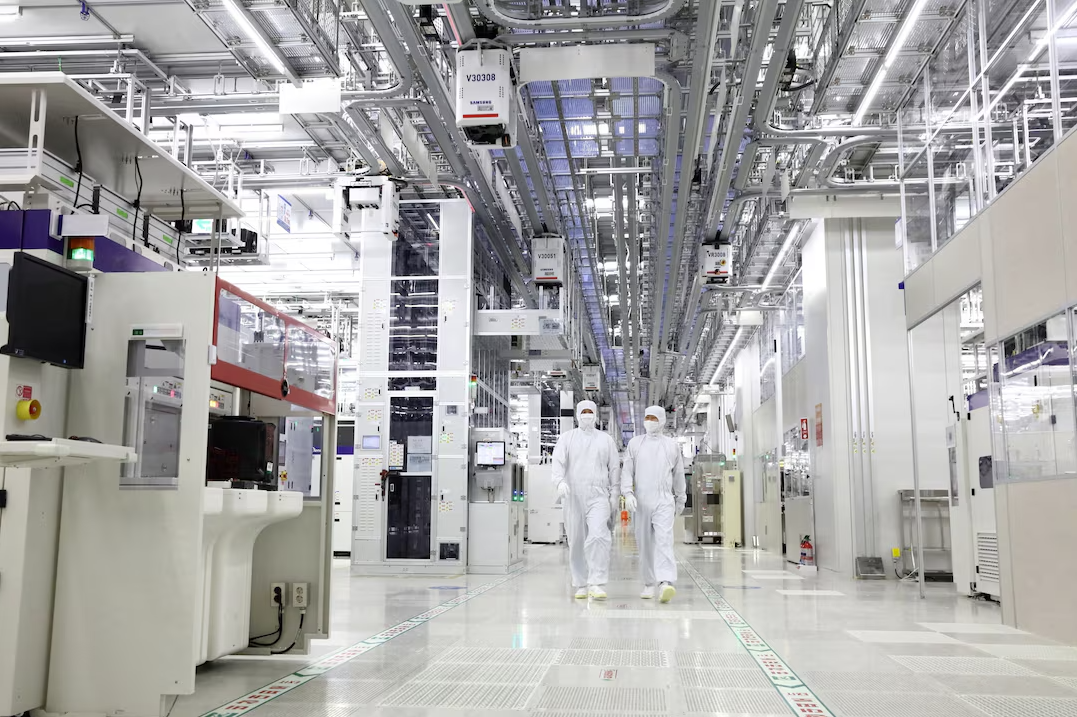
South Korea has unveiled a massive $520 billion (A$790B) semiconductor investment plan with Samsung Electronics and SK Hynix, as the country moves to defend its lead in memory chips while the AI boom drives up hardware costs worldwide.
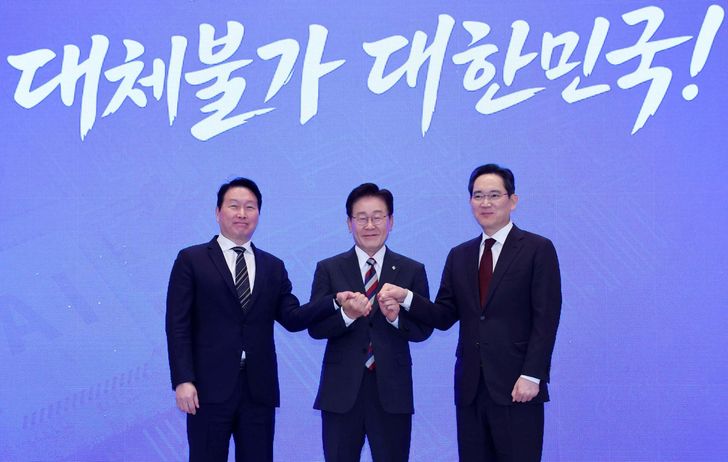
President Lee Jae Myung announced the 800 trillion won public-private project in Seoul, flanked by Samsung Electronics chairman Lee Jae-yong and SK Group chairman Chey Tae-won.
The plan will see Samsung and SK Hynix build four new chip fabrication plants, with each company expected to develop two new fabs in South Korea’s southwest, near Gwangju.
The region sits well away from the country’s existing chipmaking base around Seoul, where Samsung and SK Hynix already operate major semiconductor clusters in areas including Pyeongtaek, Hwaseong, Icheon and Yongin.
Lee described the announcement as a “decisive moment”, saying the global economy was being reshaped by artificial intelligence and that major economies including the US and China were competing aggressively for semiconductor leadership.
The investment is aimed primarily at strengthening South Korea’s position in memory chips, particularly high-bandwidth memory, or HBM, which is used in advanced AI processors and data centres.
Samsung said it would also establish HBM packaging facilities in the central Chungcheong region, including around Cheonan and Onyang, as demand for AI memory continues to surge.
The plan also includes work on AI robots, physical AI and data centres, broadening the project beyond traditional chip manufacturing.
For Australian consumers and retailers, the announcement comes as memory prices are already feeding into higher electronics costs.

It was announced this week that Samsung, SK Hynix and Micron are facing a US class action lawsuit alleging they coordinated cuts to conventional DRAM supply while shifting capacity toward HBM for AI data centres. The allegations have not been proven.
The new Korean investment could eventually ease pressure on memory supply, but analysts have warned that building advanced chip fabs requires huge amounts of water, power, skilled labour and supplier infrastructure.
There are also political questions over the decision to locate the new cluster in South Korea’s southwest, a stronghold for Lee’s Democratic Party.
Opposition figures have accused the government of political favouritism, while officials say the region was chosen because existing chip hubs near Seoul are running out of land, water and electricity capacity.