Apple Reportedly Cancels M4 Ultra Mac Pro With No 2026 Update Planned
 Isabella Alexiou
18 Nov 2025
Isabella Alexiou
18 Nov 2025
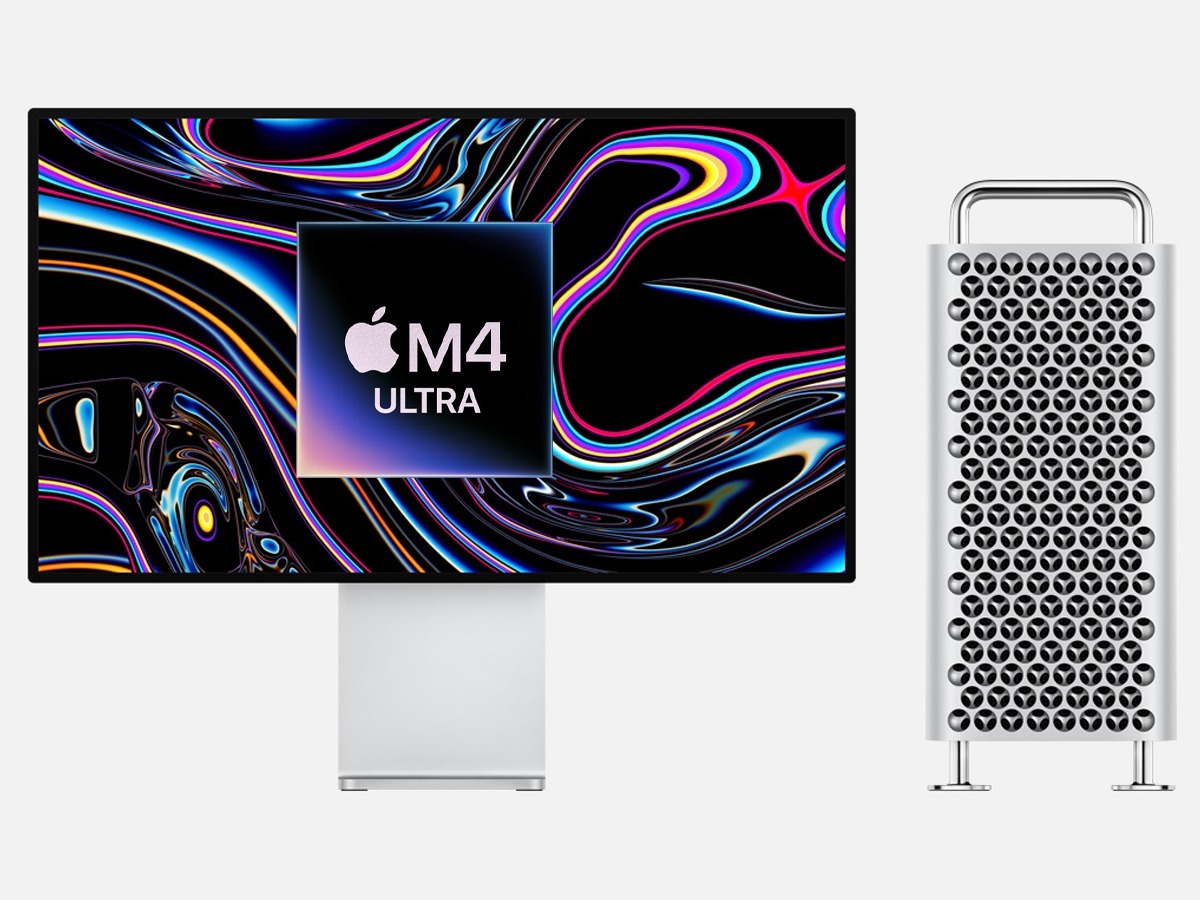
Apple has cancelled the M4 Ultra chip and the Mac Pro that would have used it, with no plans to update the Mac Pro in 2026, according to Bloomberg’s Mark Gurman, as the company shifts its pro desktop strategy toward Mac Studio.
Apple has reportedly scrapped the M4 Ultra, part of the M4 chip family, eliminating the processor that would have powered a new Mac Pro.
The next high-end desktop chip could be the M5 Ultra, but Apple is reportedly focusing only on a “new Mac Studio” using the processor, not a Mac Pro tower.
“Apple has largely written off the Mac Pro,” Gurman stated in the report.
Apple’s last significant Mac Pro refresh occurred in 2023 with the M2 Ultra chip.
Meanwhile, the Mac Studio advanced to the M3 Ultra earlier this year, leaving the Mac Pro behind with outdated silicon.
Internally, sentiment indicates the Mac Studio represents the present and future of Apple’s pro desktop strategy.
Users relying on PCIe slots, internal storage expansion, or long-term modularity face challenges as Apple moves away from that approach.

Without a new Mac Pro, pro-level users lose the only Mac offering meaningful internal upgradability.
While the Mac Studio 2025 delivers excellent upfront performance, it doesn’t offer extensive customisation options for users requiring internal expansion.
The Mac Pro remains on sale with the M2 Ultra chip, which remains capable in 2025, though long-term usability for professionals is concerning.
Users seeking immediate upgrades might consider the Mac Studio with M3 Ultra or M4 Max chip, depending on requirements.
The current Mac Pro with M2 Ultra starts at $11,999 in Australia, while the Mac Studio with M3 Ultra starts at $6,999, representing a significant price difference for users willing to sacrifice internal expandability.
The shift suggests Apple believes the Mac Studio’s compact, high-performance design better serves most professional users’ needs than a tower with internal expansion capabilities.
This marks a strategic departure from Apple’s traditional approach to professional desktop computing, which historically emphasised modularity and upgradeability.