Global PC Shipments Decline As Rising Component Costs Squeeze Demand In Second Quarter
 April Ossington
10 Jul 2026
April Ossington
10 Jul 2026
Global PC shipments fell during the second quarter of 2026 as rising component costs, higher retail prices and growing supply pressures weighed on the market, according to new research from analyst firm Omdia.
Worldwide shipments of desktops, notebooks and workstations totalled 65.7 million units during the quarter, representing a 3.6 per cent decline compared with the same period last year. Desktop shipments, including desktop workstations, reached 13.9 million units, down 1.3 per cent year on year, while notebook shipments, including mobile workstations, fell 4.2 per cent to 51.7 million units.
Omdia said sharp increases in memory and storage prices during the first quarter had a significant effect on PC pricing in the second quarter. The higher costs also encouraged many consumers and businesses to bring forward planned purchases before further price rises took effect.
“The sharp increase in memory and storage prices during the first quarter of the year had a significant impact on product pricing in the second quarter,” said Ben Yeh, Principal Analyst at Omdia.
“It also prompted consumers and IT decision makers to bring forward their PC purchases to mitigate the risk of further price increases. Although sales volumes were maintained at a stable level, the risk of a subsequent downturn remains.”
Apple’s recent decision to increase MacBook prices has attracted considerable attention, but Omdia noted that most major PC manufacturers had already begun raising prices from the end of 2025. Across comparable product ranges, prices have climbed by around 20 per cent to 40 per cent compared with a year ago.
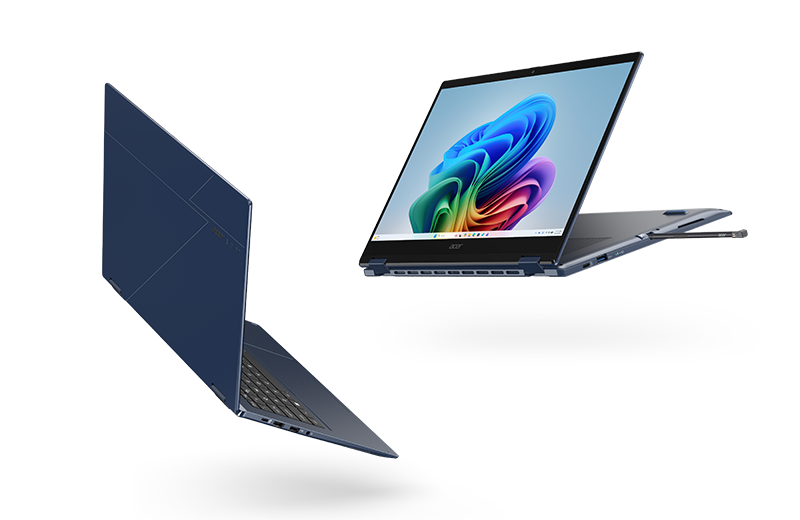
Acer
Omdia believes the early buying activity seen in the first half of 2026 is likely to be followed by weaker demand as organisations delay hardware refresh cycles while waiting for pricing to stabilise.
Research Director Ishan Dutt said more than half of B2B channel partners surveyed by Omdia in June reported that customers were postponing planned PC upgrades, while a further 6 per cent expected projects to be cancelled altogether.
He added that many commercial fleets will still require upgrades as the market approaches one year since Microsoft’s October 2025 Windows 10 end-of-support deadline.
Although Omdia expects increases in memory and storage costs to slow during the second half of 2026, it does not anticipate prices to fall before the end of the year. Other components, including multilayer ceramic capacitors and printed circuit boards, are also becoming more expensive, adding further cost pressure for manufacturers.
As a result, PC vendors are expected to continue passing higher component costs on to customers, a trend Omdia believes will continue to suppress demand throughout the remainder of 2026.
Lenovo remained the world’s largest PC supplier during the quarter, shipping 16.6 million units to retain a 25 per cent market share despite a 2 per cent decline in shipments. HP ranked second with 13 million units shipped, down 9 per cent year on year, while Dell held third place with 9.3 million units and a 14 per cent market share.
Apple recorded the strongest growth among the leading manufacturers, shipping 7.3 million units following the launch of the MacBook Neo and continued strong demand. The company increased its market share by 2 percentage points compared with the second quarter of 2025. Asus completed the top five with shipments of 5 million units, delivering broadly flat performance compared with a year earlier.