Amazon Debuts Augmented Reality Soccer Coverage To Win Over Younger Fans
 Joe Gallop
17 Sep 2025
Joe Gallop
17 Sep 2025

Amazon is bringing augmented reality (AR) to European football broadcasts this week, using video game-style overlays and real-time stats to re-engage younger audiences who have been drifting away from live sport in recent years.
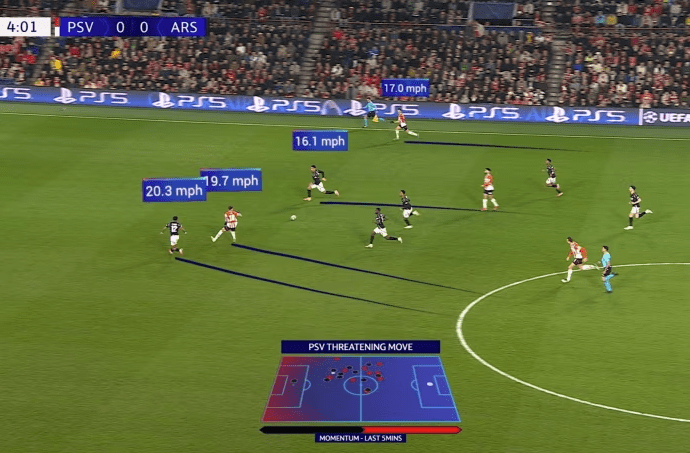
The new service, Prime Vision, has launched in this week’s UEFA Champions League games, offering an optional feed that layers data-rich graphics directly onto the live stream.
Players’ names, running speeds, and even jump heights will appear on screen, while shots on target will trigger instant readouts of ball speed and goal probability.
Other features include a “momentum bar,” estimating which team is more likely to score next, and a “tactical map” displaying player positions across the pitch. Amazon says the package is designed to add context without distracting from the action.
In Australia, Optus Sport and Stan Sport, who are both big investors in European football, will be watching closely as AR-driven coverage could raise expectations among younger viewers.
The move is part of a wider push by broadcasters to combat dwindling interest from young audiences.
A 2023 YouGov study in the UK found just 31% of sports fans aged 18–24 watched full live matches, compared to 75% of over-55s.
Many younger fans prefer highlights, social media snippets, or interactive gaming experiences over traditional broadcasts.
Amazon has already tested Prime Vision in the US with NFL games, where the feature contributed to a notably younger audience. Thursday night football streams on Prime Video now average viewers seven years younger than those watching via traditional TV.
Sports rights holders are increasingly borrowing from gaming culture.
The NFL has aired cartoon-enhanced broadcasts on Nickelodeon, while the Premier League has trialled “game mode” coverage and invested in VR software.
Amazon hopes Prime Vision will not only boost engagement but also strengthen Prime Video’s subscriber base and attract premium advertisers.
For now, Prime Vision remains an optional feed. But long term, Amazon envisions fans being able to customise every element of the live broadcast, turning the football viewing experience into something closer to a video game.