10 Years ON, LG Looking For 35% OLED TV Growth In 2023
 David Richards
09 Mar 2023
David Richards
09 Mar 2023
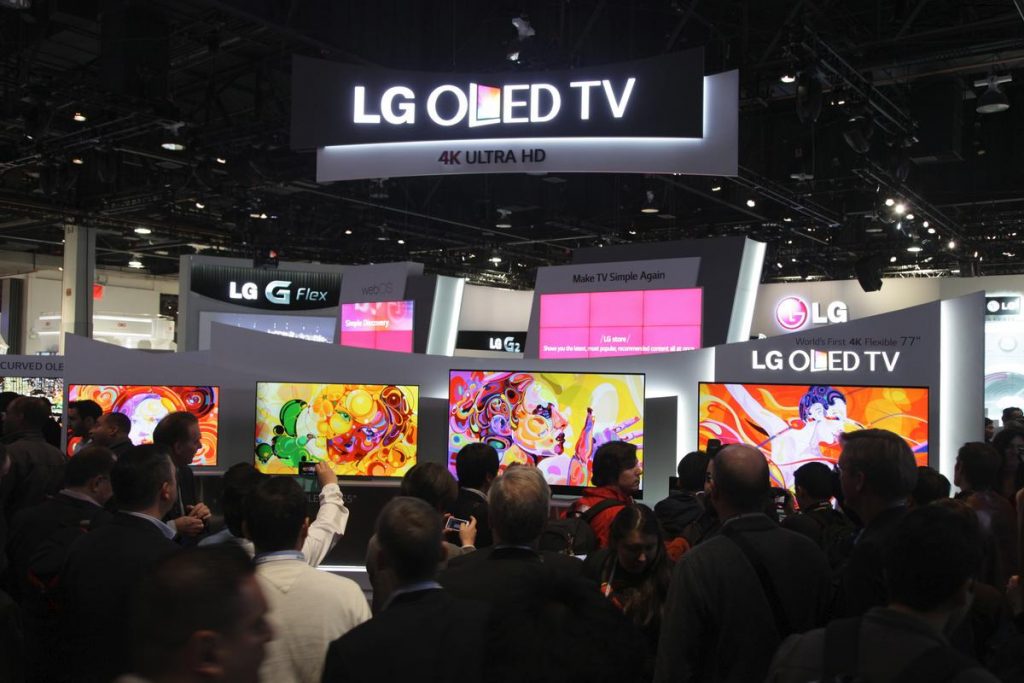
 LG Electronics is the world’s leading manufacturer of OLED TVs and display panels. A pioneer of the technology, they are set to face a head-on fight with arch rival Samsung who, while making OLED panels for smartphones, have not been a player in the pure OLED TV market. LG believe they can achieve 35 per cent growth this year, despite a downturn.
LG first introduced OLED TVs to the world in 2013, overcoming a variety of technical difficulties such as screen burn-in and high imperfection panels, which in those early days resulted in high wastage, costing the business millions of dollars.
There was also much skepticism from industry experts. Despite this, LG persisted with the technology and today they dominate almost 60 per cent of OLED TV sales globally, shipping about 15 million units as of the end of last year, according to the company, citing data from global market researcher Omdia.
They also supply panels to a multitude of other TV manufacturers, including Sony, Loewe, Hisense and Metz.
This week, the South Korean business said they welcome more tech firms, including its archrival Samsung Electronics, entering the fast-growing OLED TV market.
LG Electronics Australia management have not announced their 2023 pricing or model lineup for Australia, and Tony Brown, the head of home entertainment marketing, is not returning calls, which is not unusual for Brown.
Other LG Executives are commenting, LG Electronics’ home entertainment product planning division leader Baik Seon-pil says, “As a number of new firms decide to jump into the OLED TV business, it’s worthwhile noting that we have been pursuing the premium TV market with OLED TVs for 10 years.”
He add, “Our key business in the premium TV market ended up being OLED and we’re proud to have led the trend. We welcome competitors joining the business in terms of expanding the size of OLED market
“LG Electronics was the only firm that saw the potential of OLED TVs 10 years ago. We’ve been leading the OLED TV market for a decade and established our position as a premium market leader,” says Jung Jae-chul, the senior vice president at LG Electronics who also leads an R&D lab.
“There are currently 21 OLED TV brands around the globe in line with customers’ strong preference for the products. LG Electronics was right (to kick off the OLED TV business). We’ve been changing the way customers watch TVs completely by providing new experiences to them,” he adds.
In celebration of the 10th year of launching its first OLED TVs, the tech giant looks to create a synchronised screen experience that perfectly fits everyone’s taste and lifestyle under the vision of “Sync to You, Open to All”.
It appears that despite what some observers claim is “Stupid PR Market”, the business has resorted to slagging off Samsung, accusing them of selling OLED panels that suffer “burn in”. The business is relishing a fight in the market up against Samsung.
As for burn-in LG not only pioneered OLED they were the first to face criticism from consumers due to burn in issues.
As Samsung expands awareness of the value of OLED technology LG management are looking to cement its leadership in the premium TV market with the upcoming 2023 TV lineup, which includes the new OLED evo TVs. Comprised of 29 TV models in seven series, the industry’s largest lineup will be released both at home and abroad, starting Monday.
While its crosstown rival Samsung is bracing for its grand comeback to the OLED TV market after a decade-long hiatus on Thursday, the global industry is paying keen attention to whether LG will keep its dominant position in the market.
“LG’s only competitor is the TVs we make today,” Baik says.
Based on its accumulating experience and expertise in OLED TV-making technology, LG aims to expand the proportion of its OLED TV sales by more than 35 percent this year from the previous year’s 4 million units in shipment, he claims.
The brand-new LG OLED TV models price here will range from around $2,500 to $9,999+.