Western Digital Tipped To Merge Deal Close Say Insiders
 David Richards
22 Jan 2023
David Richards
22 Jan 2023

Western Digital, the owner of SanDisk, is believed to be in advanced talks with arch-rival Kioxia Holdings, formerly Toshiba Memory, with a view to forming a new hard drive and flash memory business.
Insiders are claiming the US and Japanese businesses are close to an acceptable business plan, which could well see both Companies merge, with listings in both the US and Japan.
Year-to-date Western Digital shares are up more than 22 per cent.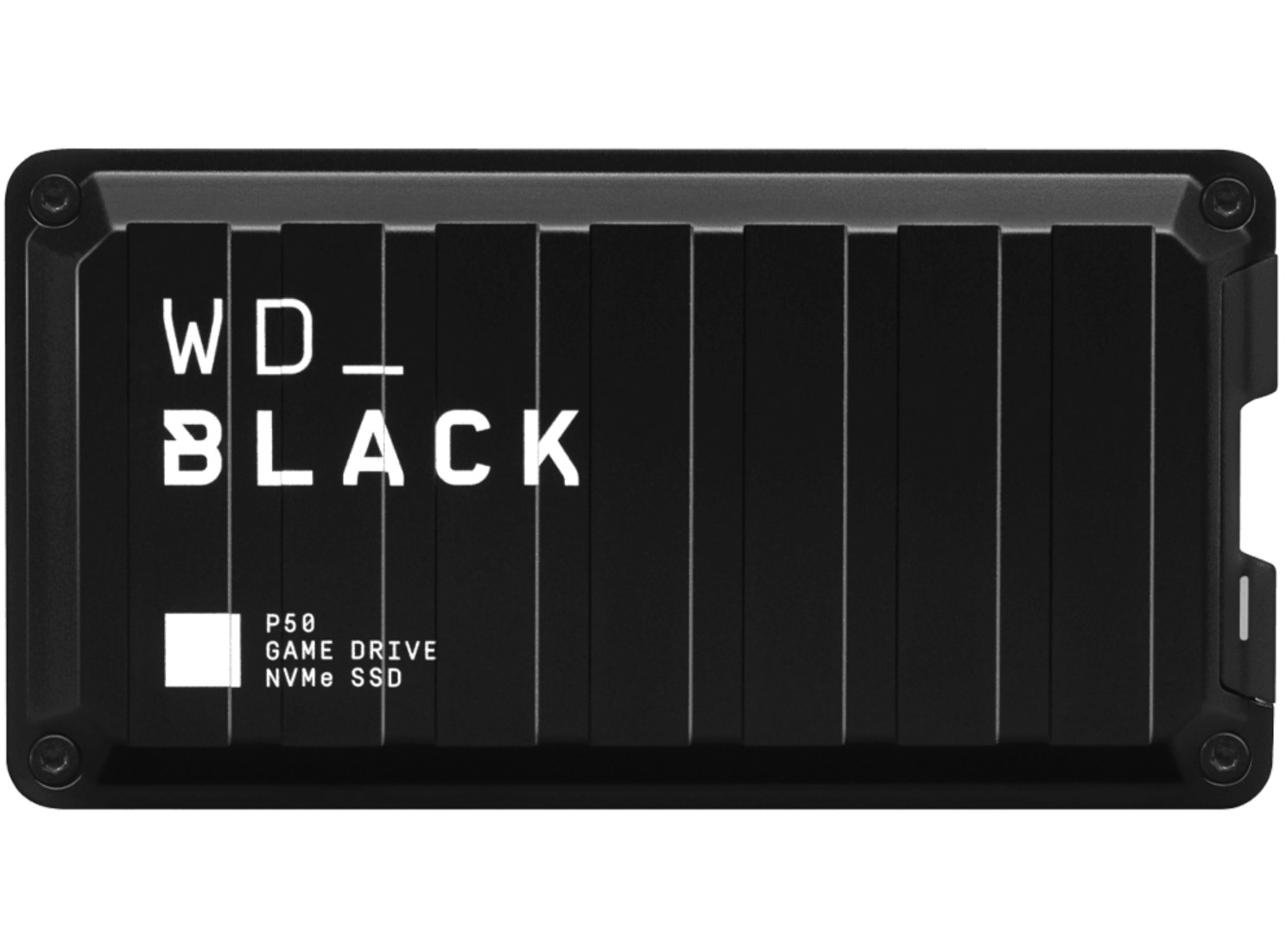
Back in August 2022, Western Digital made a US$20 billion all-stock offer for the Japanese business. At the time it was reported they would provide no cash to the Japanese firm.
In October 2019, Toshiba Memory rebranded itself as Kioxa, with the business now claiming 20 per cent of the global flash memory market.
Kioxa is ranked number-two in the memory market behind Samsung – this includes the Western Digital business due to their current joint venture.
Western Digital is a leading vertically integrated supplier of data storage solutions, spanning both hard disk drives and solid-state drives.
In the HDD market, WD has a duopoly with Seagate, and it is the largest global producer of NAND flash chips for SSDs in a joint venture with Kioxia.
Under the terms being discussed, Western Digital would spin off its flash business and merge it with Kioxia, creating a publicly traded company in the US.
The Company would also list in Japan, claim insiders.
Western Digital management is expected to run the combined company.
A representative for Western Digital declined to comment. Kioxia couldn’t be reached for comment outside normal business hours.
In June, Western Digital announced a review of strategic alternatives following discussions with activist investor Elliott Investment Management.
Bloomberg News reported earlier that Western Digital and Kioxia had revived merger talks, after discussing a pairing in 2021.
Western Digital rose 2.4 per cent to close at $38.46 in New York trading Friday.
Kioxia, backed by Bain Capital and Toshiba and was spun out of Toshiba in 2018.
It’s the last Japanese chipmaker capable of producing semiconductors on cutting-edge production technology.