Wesfarmers Wants Facial Recognition Tech To Protect Staff
 Nigel Bowen
28 Aug 2025
Nigel Bowen
28 Aug 2025

Wesfarmers chief executive Rob Scott is the latest high-profile figure to call for the implementation of technological solutions to reduce surging rates of shoplifting.
Scott recently addressed a roundtable convened by The Australian and the Business Council of Australia (BCA).
“Crime is getting worse,” he said.
“It is not surprising, when people are doing it tough and feel like they are falling behind. [Retailers] should be able to better leverage technology in a responsible way to make our society safer – to make our workplaces, and the places where people go, safer.”
Wesfarmers’ portfolio includes Bunnings, Kmart, Target and Officeworks.
The company trialled the use of facial recognition technology at Bunnings outlets in NSW and Victoria from 2018-2021. Bunnings MD Michael Schneider claims the use of this technology revealed “70 per cent of incidents in the stores were caused by the same group of people”.
But facial recognition technology continues to sit uneasily with many Australians.
Late last year, the Office of the Australian Information Commissioner (OAIC) found that Bunnings had invaded the privacy of customers by using cameras at 63 of its stores.
Nonetheless, the OAIC Commissioner also acknowledged “the potential for facial recognition technology to help protect against serious issues, such as crime and violent behaviour”.
It seems facial recognition technology could soon be back on the table.
Scott informed the roundtable that Wesfarmers would seek a review of the Privacy Commissioner’s ruling.
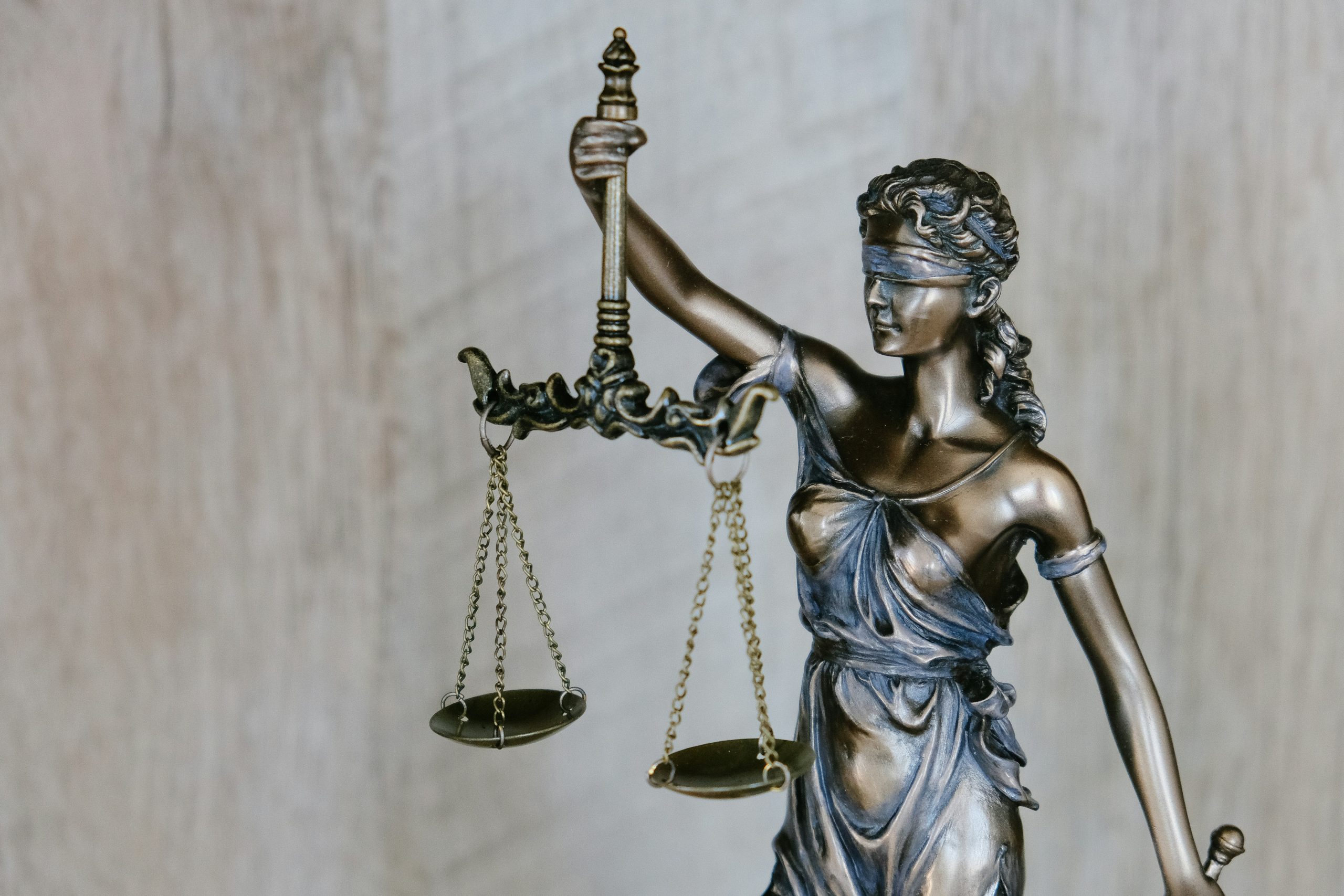
There’s going to have to be a tradeoff between privacy and protection
He also promised the technology would only be used for its stated purpose.
“We were using technology in a really constructive, responsible way, where it monitored people coming into the store against a known database of criminals,” he said.
“There was no tracking of customers, there was no marketing to customers, but, unfortunately, it was deemed by the regulator to be a breach of privacy policy.”
As reported by Channel News, a growing number of senior business and retail figures have been demanding that serious action be taken against professional thieves, some of whom carry weapons.
The Australian Retail Council’s CEO, Chris Rodwell, has called for decisive action, warning that Australia’s retail districts risk being hollowed out, just like those in San Francisco.
Super Retail Group recently blamed much of its sagging profits on “industrial scale theft” from its Rebel stores, especially the Victorian ones.
Woolworths recently revealed that violent incidents in its 1,100 stores increased by 26% in the past year, with Victoria accounting for half of that rise. It was also forced to lock down stores 45 times in the first half of 2025 due to security incidents.
Coles has spent nearly $100 million on crime prevention over the past two years, rolling out AI-powered self-checkout monitoring, trolley locks and double exit gates.
Politicians and regulators now seem to be belatedly taking retailers’ concerns seriously, with the Victorian premier Jacinta Allan pledging tougher laws by the end of the year.
But it remains to be seen where the line will be drawn between protecting retailer workers and protecting Australians’ privacy.