Premium Hi Fi Market Under Pressure As Brands Quit Hi Fi Shows That Don’t Attract The Right Audience
 David Richards
05 Jun 2026
David Richards
05 Jun 2026
The premium audiophile industry is facing an unprecedented structural crisis as a high-profile vendor exodus from Hi Fi exhibition events exposing a widening chasm between legacy high-fidelity retailers and a new generation of affluent consumers.
In a move that is raising questions for distributors of premium Hi Fi , industry heavyweights including Yamaha, Loewe, Gotham Audio, and Tivoli have officially pulled out of October’s upcoming StereoNET Hi Fi Show.
The mass withdrawal has triggered urgent, closed-door discussions regarding the long-term viability of the luxury audio market, which market analysts warn is failing to replace its rapidly aging demographic with new revenue streams.
While European events like the Vienna Hi Fi Show continue to draw international distributors, the domestic circuit paints a far grimmer picture. Industry insiders tracking attendance at the Australian Hi Fi Show in Sydney and the StereoNet expos describe local crowds as increasingly composed of “tyre kickers”—older enthusiasts who already own high-end setups and are looking but not buying—rather than the fresh, upwardly mobile buyers required to sustain retail growth. 
The Retail Disconnect: Merchandising for a Bygone Era
Market observers claim that the premium audio sector is fracturing due to an existential disconnect on the retail floor. Traditional specialist dealers remain heavily locked into merchandising strategies tailored to consumers over the age of 50. This legacy demographic typically owns suburban homes, possesses dedicated, acoustically treated listening rooms, and grew up in the era of component audio.
Conversely, the younger, affluent buyers who should be inheriting the market are bypassing traditional brick-and-mortar storefronts entirely. According to industry insiders, the bulk of Australia’s specialist Hi-Fi dealers are still merchandising massive, multi-tiered component racks that the modern buyer finds unappealing.
Furthermore, younger consumers are struggling to even locate specialist stores, leading to a severe branding gap where many entry-level luxury buyers now view mass-market ecosystems like Sonos as the absolute baseline for premium audio.
The Downsizing Dilemma and Shrinking Transaction Values
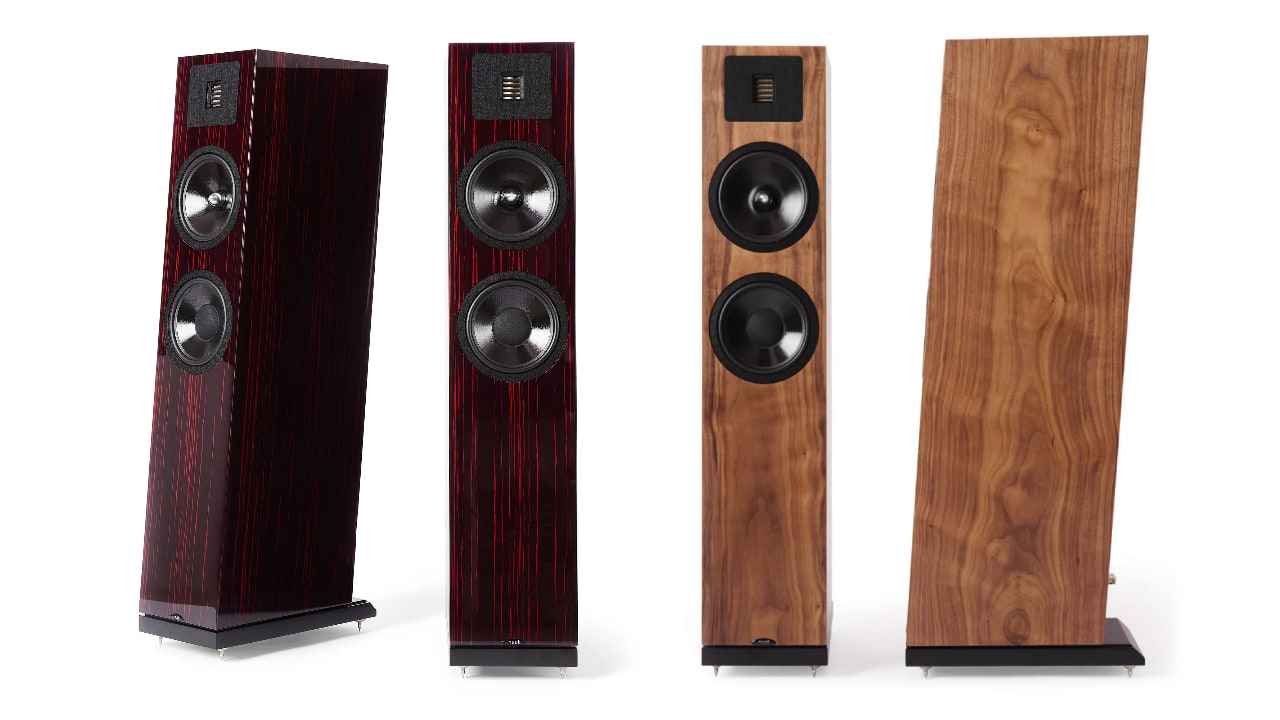
The crisis is being further accelerated by macroeconomic shifts in real estate. Data from research firm Futuresource indicates that urban downsizing is directly cannibalizing the sale of large, multi-box component systems and towering floor-standing speakers.
Legacy systems were engineered for sprawling family homes, but modern high-net-worth individuals are increasingly migrating into luxury inner-city apartments.
“A customer moving from a 650m² house to a premium apartment may have the financial capital for luxury brands like Wilson, Focal, or B&W, but they physically lack the square footage,” a Futuresource analyst noted. “As space becomes a constraint, the gear is simply being sold off.”
Consequently, regional dealers report a devastating contraction in transaction values. Clients who historically spent up to $100,000 on passive acoustic systems are now capping their budgets at half that amount, opting instead for space-efficient, apartment-friendly solutions. This behavioral shift has caused total transaction values across high-end two-channel and home theatre categories to shrink dramatically.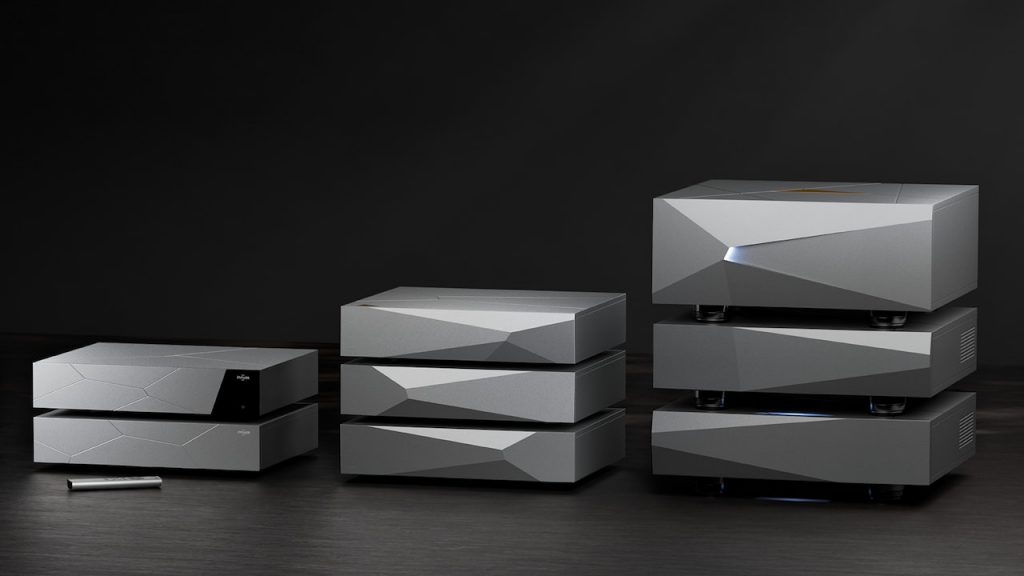
Market Contraction vs. The Software Revolution
The financial impact of this demographic pivot is quantifiable. Global luxury audio contracted by 4.7% in volume through 2025, hitting retailers reliant on expensive separates and passive acoustics the hardest. Conversely, capital is flowing rapidly into software-defined, streaming-centric, and design-oriented audio ecosystems that seamlessly integrate into modern homes.
Data compiled across multiple research groups identifies six disruptive forces aggressively reshaping where the premium audio market is heading:
1. Spatial Audio Overtakes Traditional Stereo
Spatial audio—led by Dolby Atmos and Sony 360 Reality Audio—is tracking as the fastest-growing technology in audio history. Format adoption is up 43%, driven heavily by Apple Music and other major streaming platforms racing to offer thousands of Atmos-mastered tracks. For the first time in decades, a new format possesses the genuine market power to displace traditional two-channel stereo as the dominant consumer listening experience.
2. High-Resolution Streaming Democratizes the Baseline
The rise of platforms prioritizing high-resolution audio—such as Qobuz, Tidal HiFi, and Amazon Music HD—combined with advanced digital signal processing (DSP) and high-end DACs in portable devices, has fundamentally shifted consumer expectations upward. Because CD-quality and hi-res audio are now broadly accessible via software, hardware manufacturers can no longer charge a premium purely for clean source delivery; they must compete in a world where the software baseline is already exceptionally high.
3. AI Tuning and Smart Integration Supplant Passive Acoustics
Preference for wireless systems has jumped 39%, while AI tuning adoption has risen 33% in the premium segment. High-end brands like Devialet are actively building AI-based room correction and adaptive sound processing directly into their hardware. This moves the consumer value proposition away from expensive, passive acoustic room treatments toward software-defined, automated listening environments.
4. The Analogue Resilience Counter-Trend
Despite the digital pivot, vinyl and analogue formats remain a surprisingly durable counter-trend. Turntables currently hold a 30% market share of the Hi-Fi electronics sector. Data from Future Market Insights indicates that this analogue resurgence and premium digital streaming are coexisting rather than cannibalizing each other. The demand is sustained by the tactile, collectible appeal of the format—modern fans of high-quality audio increasingly want the ritual of sleeve art and limited pressings rather than simply tapping a screen.
5. A Dramatic Demographic Re-Write
The younger cohort is entirely redefining what it means to be an “audiophile.” According to Business Research Insights, approximately 45% of audiophile headphone demand is now fueled by consumers aged 18–34. This demographic grew up on streaming and low-end earbuds but is now graduating to high-fidelity equipment. However, instead of starting with traditional room speakers, they enter the market via premium headphones before ever considering separates.
6. Wireless Crosses the Audiophile Quality Threshold
The historical objection that wireless audio compromises sound quality has been effectively neutralized. The advent of Bluetooth 5.2, Wi-Fi 7, and advanced transducer materials has closed the fidelity gap. As a result, wireless high-end headphones now represent 35% of total audiophile headphone demand, with that share accelerating rapidly according to Verified Market Reports.
The Ultimate Ultimatum
The data signals a clear ultimatum for the high-end audio sector. Traditional retailers and legacy manufacturers are facing a market that is not disappearing, but rather entirely transforming. Brands that fail to pivot toward software-integrated, space-conscious, and headphone-first ecosystems risk shrinking into economic irrelevance alongside the aging demographic that originally built them.