Free Fire Beats Call of Duty Mobile as Top US Shooter Game
 Isabella Alexiou
28 Aug 2025
Isabella Alexiou
28 Aug 2025

Sea Ltd.’s Free Fire has become the highest-earning smartphone shooting game in the United States, surpassing Call of Duty Mobile through strategic collaborations with popular entertainment franchises including Netflix’s Squid Game and anime series Naruto Shippuden.
Free Fire jumped seven positions to sixth place in US mobile game sales during July, contributing to a 7% increase in overall mobile gaming spending according to market tracker Circana.
The game, originally released in late 2017, has experienced renewed growth through content partnerships with major entertainment properties.
The Naruto Shippuden collaboration has proven particularly effective given anime’s continued popularity in the US market, with the ninja-themed series maintaining a large fanbase.
Sea CEO Forrest Li highlighted the positive impact of integrating content from both Naruto and Squid Game during the company’s recent earnings report, stating that “initial response from gamers has been extremely positive.”
Content crossovers with established entertainment franchises have become a proven strategy for revitalising multiplayer games, with Epic Games’ Fortnite leading this approach through regular collaborations.
Fortnite’s latest festival features British virtual band Gorillaz, demonstrating the ongoing effectiveness of this marketing strategy.

Sea’s Garena gaming division reported a strong rebound, with the company raising its full-year guidance based on Free Fire’s improved performance.
The success reflects how established mobile games can extend their lifecycle through strategic partnerships with popular media properties.
Beyond mobile gaming, the console hardware market showed dramatic shifts in July. Americans purchased over 2 million Nintendo Switch 2 units in just two months, exceeding PlayStation 5 sales for the entire year.
Console hardware spending reached $587 million, the highest July total since 2008.
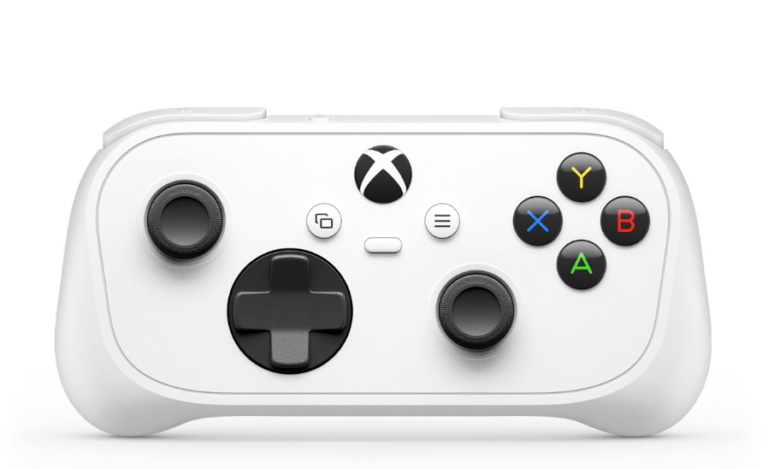
Traditional console sales declined significantly, with PlayStation 5 spending down 47%, Xbox Series down 69%, and the original Nintendo Switch falling 52% year-on-year.
The Switch 2’s success drove the overall console market despite steep declines in incumbent platforms.
The data illustrates how new hardware launches can reshape market dynamics, with consumers gravitating toward Nintendo’s latest offering while established consoles experience substantial sales contractions.
This pattern reflects typical console generation transition periods where new releases capture consumer attention and spending power previously allocated to older platforms.
The mobile and console gaming trends demonstrate how content strategy and hardware innovation continue to drive consumer spending patterns in the competitive gaming market.