Valve’s $1,600 Steam Machine Branded A “Niche Device” As Analysts Warn Console Prices Are Heading Higher
 Joe Gallop
24 Jun 2026
Joe Gallop
24 Jun 2026
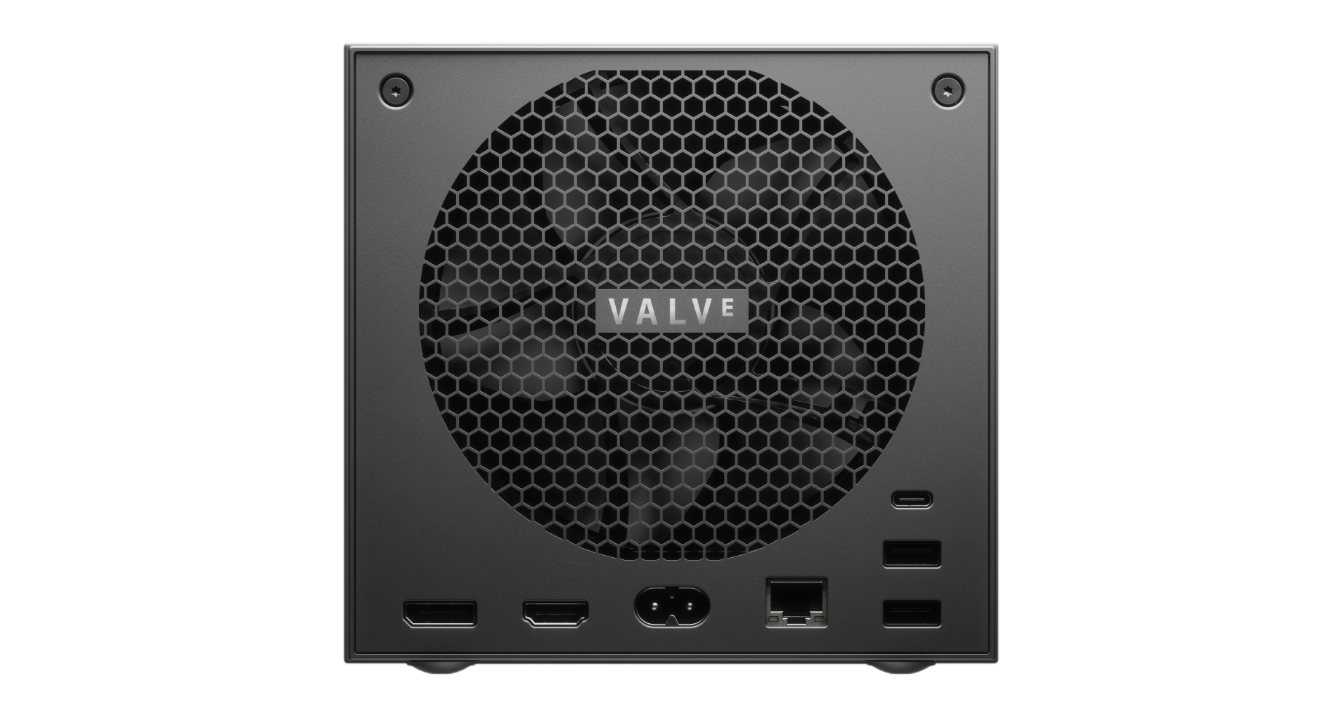
A day after Valve confirmed Australians will pay from $1,609 for its new Steam Machine, analysts are warning the high-priced console-style PC is unlikely to be a mass-market gaming device.
The SteamOS-powered machine, which starts locally at $1,609 for a 512GB model without a controller and rises to $2,228 for a 2TB version bundled with Valve’s controller, has already sparked debate over whether gaming hardware is entering a new, more expensive era.
Several games industry analysts now say Valve’s pricing reflects the growing pressure being placed on memory and storage supply chains by AI data centres, rather than a simple attempt to position the Steam Machine as a premium product.
Newzoo’s Emmanuel “Manu” Rosier said the Steam Machine’s entry price “tracks the current component market” and pointed to minimal-margin pricing rather than a marketing-driven number.

Ampere Analysis’ Piers Harding-Rolls said Valve would have preferred a much lower price, but lacked the hardware scale and subsidy power of Sony or Microsoft.
“This pricing reinforces that view and underlines that this is going to be a niche device,” he said.
Circana analyst Mat Piscatella expects the Steam Machine to sell out at launch, but said the more important question is how much stock Valve will have available. Valve has already warned supply will be limited.
The price has also intensified speculation about future consoles from Sony and Microsoft, including the PlayStation 6 and Microsoft’s rumoured Project Helix. Analysts are divided on whether base models will exceed US$1,000, although several believe premium versions could cross that threshold.

The value of Valve’s hardware is also being challenged by PC builders.
PCWorld has shown a comparable DIY gaming PC can be assembled for US$887.52, around US$150 less than Valve’s entry-level Steam Machine, using an AMD Ryzen 5 7600X, Radeon RX 7600 graphics card and 16GB of DDR5 memory.
Hardware leaker Moore’s Law Is Dead has also criticised the Steam Machine’s performance, claiming it is closer to a 1080p, 60fps device than a true PS5 or Xbox Series X rival.
Despite the backlash, early demand appears strong in parts of Asia, where reports say Steam Machine stock sold out quickly through Valve-affiliated retailer Komodo Station in Japan and Taiwan.
Valve has since defended the decision not to subsidise the Steam Machine, arguing that selling hardware below cost would push it closer to the traditional console model it is trying to avoid.
In comments to The Verge, Valve said loss-leading hardware is usually designed to support more closed ecosystems built around subscriptions, locked-in software and exclusives.
Valve’s Lawrence Yang said the Steam Machine’s price is “basically the cost of the components and what it takes to make it,” while Pierre-Loup Griffais said the company is running closer to cost than it did with Steam Deck.
Griffais also said the component crunch had cut planned launch supply to “around two-thirds” of Valve’s original target.