Sandisk Revenue Jumps 372% As AI Storage Demand Surges
 Joe Gallop
07 Aug 2026
Joe Gallop
07 Aug 2026
Sandisk has posted a massive jump in quarterly revenue and profit as demand for data storage accelerates alongside the global buildout of artificial intelligence infrastructure.
The storage company reported fiscal fourth-quarter revenue of US$8.97 billion, up from US$1.9 billion a year earlier and ahead of Wall Street expectations of around US$8.5 billion.
Net income reached US$6.9 billion, or US$43.97 per share, compared with a US$23 million loss in the same period last year.
Adjusted earnings came in at US$39.25 per share, beating analyst expectations of roughly US$35.
The result was driven by soaring demand for high-performance storage used in AI data centres, where NAND flash capacity has remained constrained and prices have increased.

Sandisk’s data centre revenue reportedly climbed 103% sequentially to US$2.98 billion as hyperscalers continued investing heavily in generative AI training and inference infrastructure.
For the full fiscal year, Sandisk generated US$20.2 billion in revenue, up from US$7.4 billion a year earlier.
Sandisk chief executive David Goeckeler said the company now had more than four years of visibility into demand from its largest customers.
Despite the strong quarter, Sandisk shares fell after the company issued a first-quarter revenue outlook that came in slightly below some market expectations.
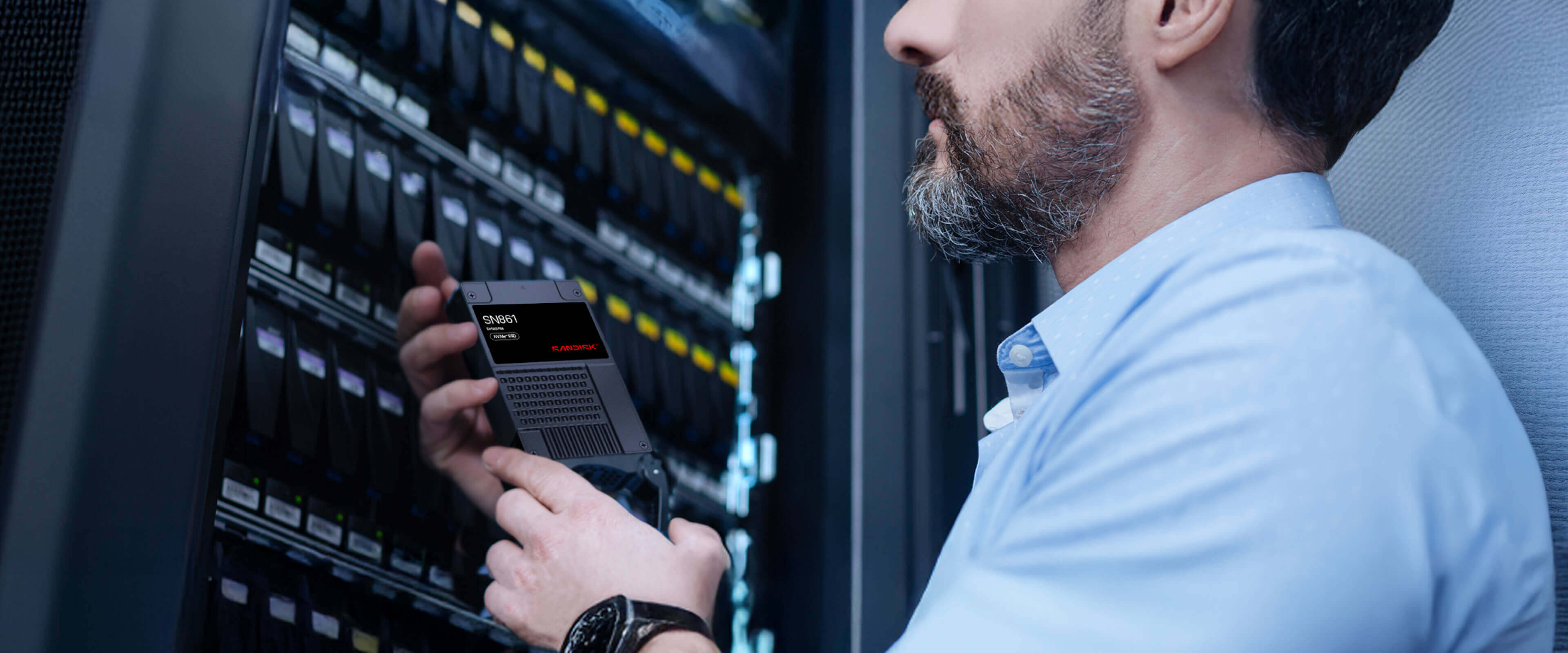
Sandisk forecast revenue of between US$10.3 billion and US$10.8 billion for the current quarter, with adjusted earnings of US$44 to US$46 per share.
The company also announced a new US$14 billion share buyback program.
The sell-off comes despite Sandisk shares having already risen sharply this year amid investor enthusiasm for companies exposed to the AI memory and storage boom.
Storage has emerged as another potential bottleneck in the AI infrastructure race, alongside GPUs, memory and power, as operators deploy increasingly large data sets for training and inference workloads.