Ultra-Thin Camera Tech Could Eliminate The Smartphone Camera Bump
 April Ossington
09 Apr 2026
April Ossington
09 Apr 2026
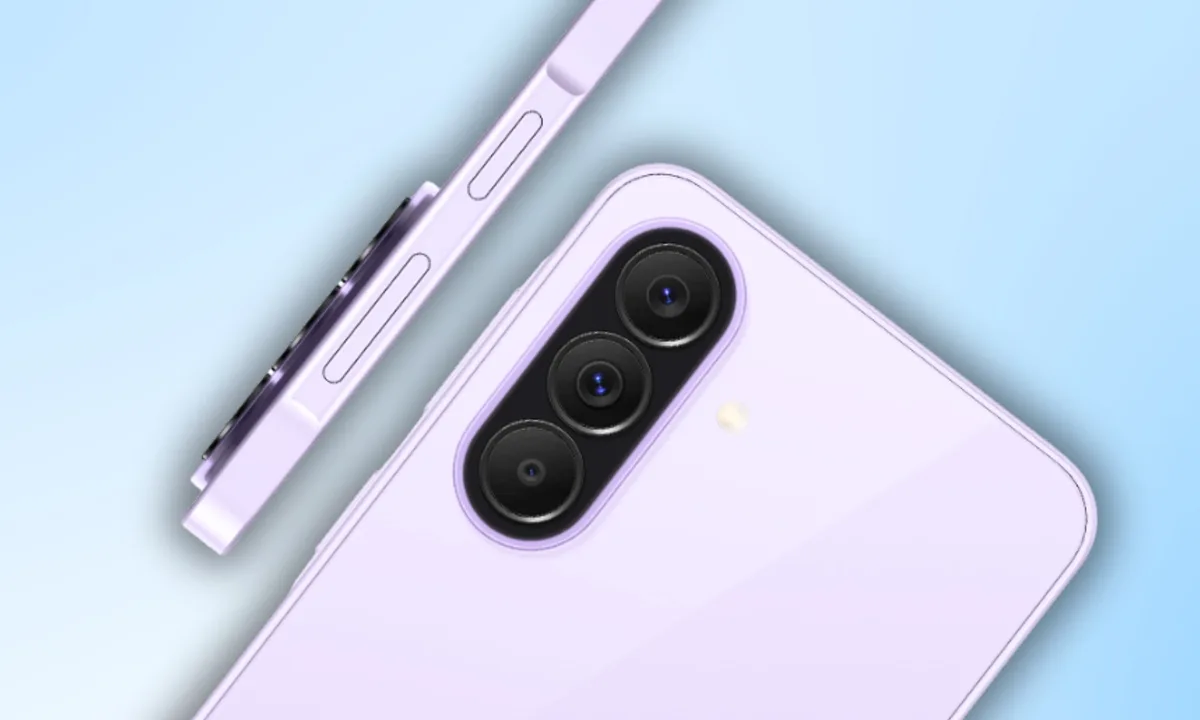
A new camera design developed by researchers at KAIST could change how cameras are built into compact devices. The prototype measures less than 1mm thick, addressing the long-standing issue of bulky camera modules that sit raised above the surface of phones and wearables.
Rather than using stacked lenses, the system relies on a microlens array that captures multiple parts of a scene at once. These individual images are then combined into a single high-resolution result. The approach is inspired by insect vision, where multiple small lenses work together to form a complete picture.

The camera achieves a wide 140-degree field of view while maintaining image consistency across the frame. This is significant, as wide-angle systems often struggle with edge distortion.
At just 0.94mm thick, the design could open up new possibilities for slimmer devices or more compact hardware in areas such as medical imaging and wearable technology.
The technology is already moving towards commercial use, though questions remain around manufacturing, cost and performance in low-light conditions. Early adoption is likely to appear in specialised equipment before reaching mainstream consumer devices.