Smartphones Could Soon See Around Corners With LiDAR Breakthrough
 Joe Gallop
25 May 2026
Joe Gallop
25 May 2026
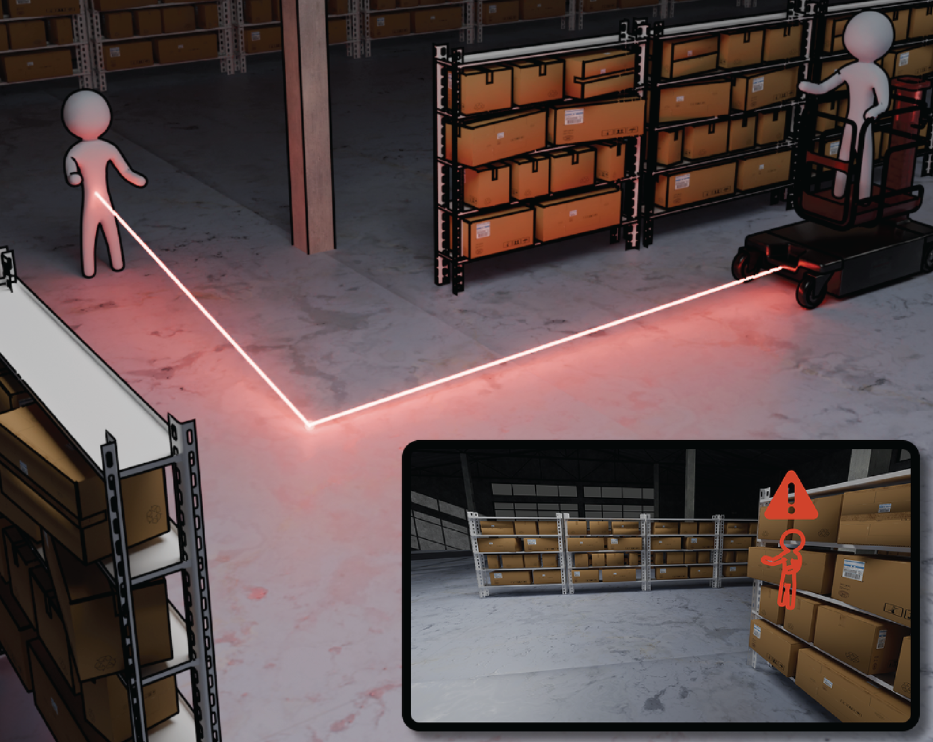
Researchers at MIT have demonstrated a breakthrough that could turn the LiDAR sensor inside premium smartphones into a “see around corners” tool, opening the door to new applications in robotics, AR/VR and autonomous vehicles.
The team at the MIT Media Lab has shown that low-cost consumer LiDAR sensors – the same technology used in Apple’s iPhone Pro and iPad Pro models – can detect and track objects hidden outside a camera’s direct line of sight.
Known as non-line-of-sight (NLOS) imaging, the concept has traditionally required expensive laboratory lasers and specialised imaging hardware costing tens of thousands of dollars. MIT’s latest work instead relies on off-the-shelf sensors priced under US$100 (US$140).
Rather than producing clear images, the system reconstructs rough 3D shapes and movement patterns by analysing faint light reflections bouncing off nearby walls and floors.
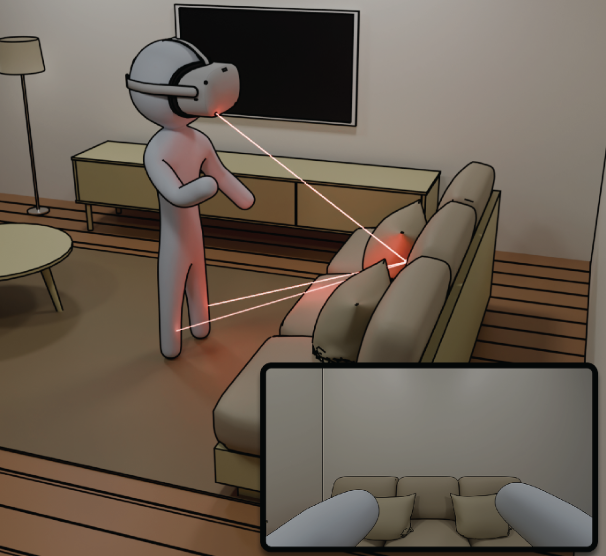
Researchers combined multiple low-quality LiDAR readings captured as the device moves, allowing hidden objects to gradually emerge from noisy data.
MIT researcher Siddharth Somasundaram said the breakthrough effectively “democratises” a capability previously limited to advanced optics labs.
Potential applications range from warehouse robots detecting movement before turning into aisles, to AR/VR headsets tracking hands outside a user’s field of view.
The tech could also eventually improve autonomous driving systems by identifying pedestrians or obstacles hidden behind parked vehicles or corners.
The researchers demonstrated the system tracking moving objects, reconstructing hidden shapes and even using concealed objects as navigation landmarks for robots.
The tech is not yet available for smartphones because manufacturers typically restrict access to raw LiDAR sensor data. However, the MIT team has publicly released its code and research findings, published in Nature.
While still experimental and limited to low-resolution reconstructions, the breakthrough signals a major shift in machine vision – transforming everyday smartphone sensors into tools capable of perceiving beyond direct sight.
Image credit: Aaron Young, MIT Media Lab