Smartphone Prices Set To Surge As Vendors Ditch Cheap Models For Higher Margins
 Joe Gallop
08 Jul 2026
Joe Gallop
08 Jul 2026

Smartphone buyers are set to face another sharp jump in prices, with new research tipping the global average selling price of a handset to hit more than A$800 in 2026 as vendors prioritise margins over volume.
Omdia forecasts global smartphone shipments will fall 12.2% year-on-year in 2026 to 1.093 billion units, a decline of 152 million devices compared with 2025.
Despite that, the total value of the market is expected to grow 6.1%, underlining a major shift away from selling large numbers of low-cost smartphones toward fewer, higher-priced models.
The average selling price is forecast to rise from US$467 in 2025 to US$565 in 2026, a 21% jump and the largest annual increase in both percentage and dollar terms recorded by the industry.
The trend has been building for months.
Australian smartphone buyers already spend an average of A$986 outright, according to Canstar.
Omdia expects the global smartphone average selling price to rise from about A$673 in 2025 to A$814 in 2026, an increase of roughly A$141.
If the same 21% increase hit Australia, the local average outright spend could climb by about A$207 to nearly A$1,200.
Counterpoint has also noted that global smartphone prices crossed US$400 in a quarter for the first time in late 2025, driven by premiumisation and rising component costs.

Omdia said the latest price surge is being driven by severe component pressure, particularly in memory.
Average DRAM and NAND flash prices rose by more than 80% quarter-on-quarter in the first quarter of 2026, with further increases seen in the second quarter.
While memory price rises are expected to moderate in the second half, Omdia said component costs will remain structurally elevated, forcing vendors to pass more costs on to consumers.
That is likely to be felt in Australia, where premium phones from Apple, Samsung, Google and Motorola already sit well above the A$1,000 mark, while foldables are pushing even higher.
As recently reported, Samsung could use Apple’s expected first foldable iPhone, tipped to cost around A$3,600, as cover to raise Galaxy foldable pricing.
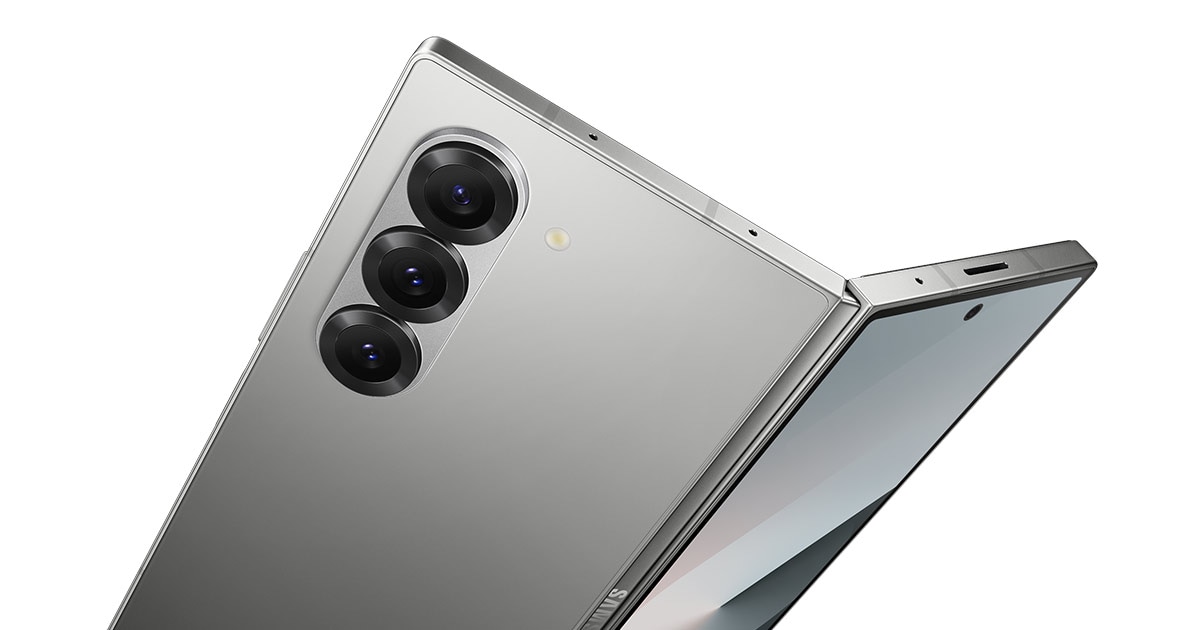
Counterpoint has also forecast foldable smartphone ASPs will climb 18% in 2026 to US$1,485.
Omdia expects the downturn in shipments to continue into 2027, though the decline is forecast to slow to 0.9%.
A meaningful volume recovery is not expected until 2028, with major global brands likely to remain cautious about expanding ultra-low-end lineups.
That could see sub-A$145 smartphones increasingly left to smaller local and regional brands, while global vendors chase higher margins through premium devices.