Wired Headphones Make A Comeback As Consumers Rethink Bluetooth Convenience
 April Ossington
08 Jul 2026
April Ossington
08 Jul 2026
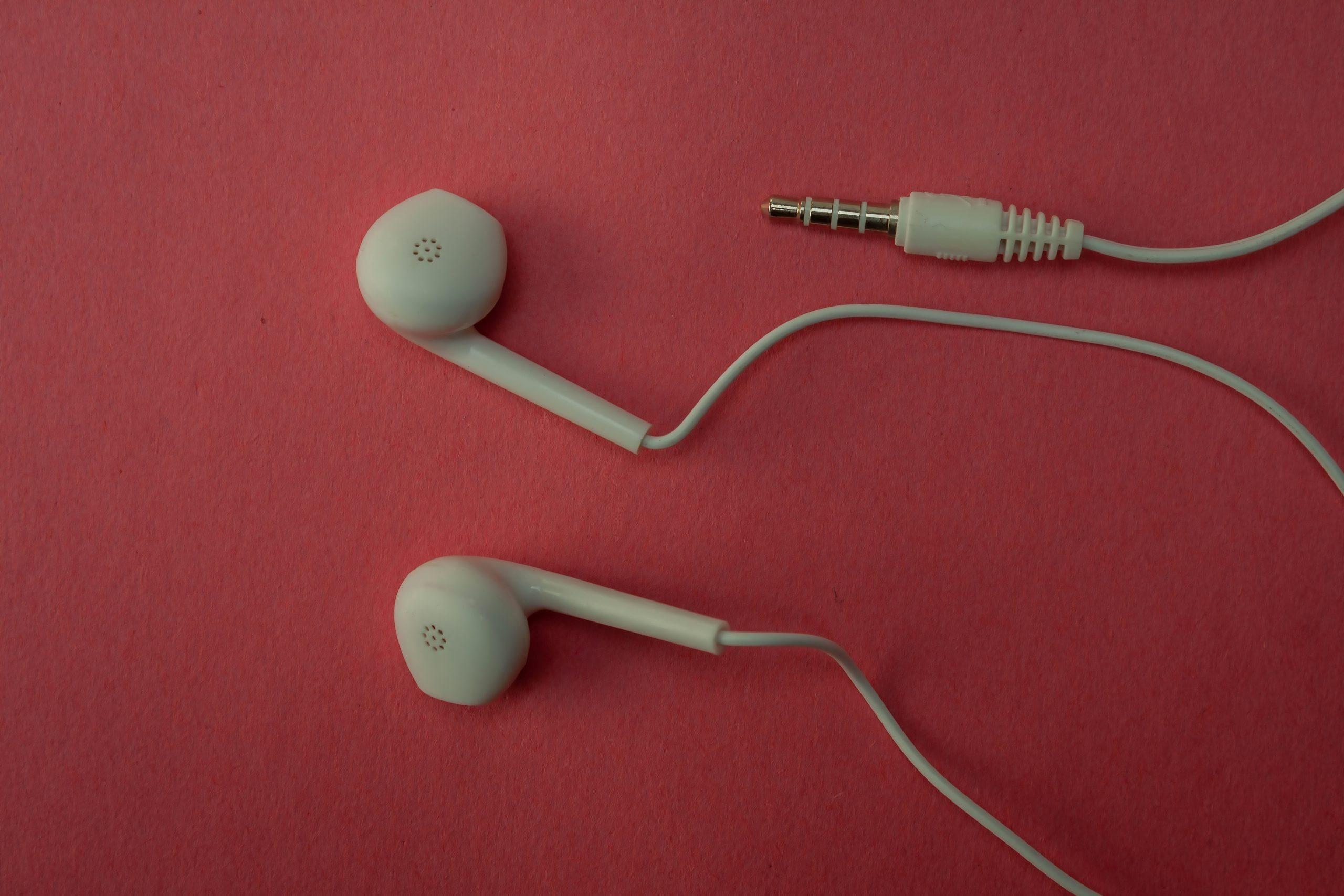
Wired headphones are making an unexpected return, with more people choosing plug-in audio gear after years of wireless models dominating the market.
The shift started gaining momentum in the second half of 2025 and has continued into 2026, as consumers look again at affordability, reliability, sound quality and even style. While Bluetooth headphones remain the larger category, wired models are becoming increasingly visible on streets, public transport and social media.
One of the main reasons is value. Premium wireless headphones can deliver excellent audio, but many sit in the A$600 to A$800 price range once converted from US pricing. Wired headphones can often provide strong sound quality for far less because they do not require batteries, wireless chips, microphones, noise-cancelling hardware or companion apps.
Sennheiser’s HD400U wired headphones, for example, are priced at around A$154 based on US pricing and support 24-bit audio at a 96 kHz sample rate. That puts them in similar technical territory to some far more expensive wireless headphones, including models such as the Bowers & Wilkins Px7 S3, which costs around A$690 based on US pricing.
Convenience is another factor being reassessed. Bluetooth headphones remove the cable, but they add other frustrations. Batteries need charging, connection issues can occur and performance can be affected by interference on the crowded 2.4 GHz frequency band. Wired headphones avoid many of those issues, provided the cable remains in good condition.
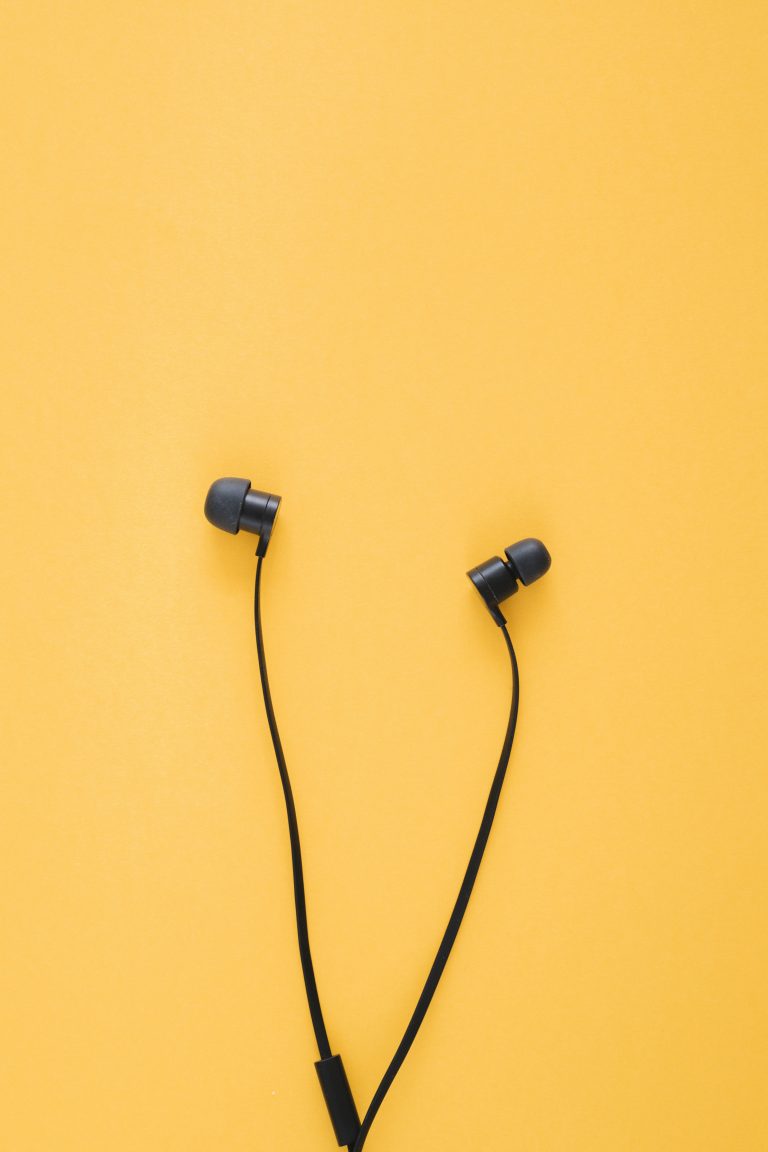
Featured photo by Behnam Norouzi
Battery ageing is also becoming a bigger concern. Many wireless earbuds and headphones are difficult or impossible for consumers to repair once the battery starts to fail. In many cases, a worn-out battery means replacing the entire product. Wired headphones tend to have a longer useful life, particularly if the cable or ear pads can be replaced.
The comeback also fits into a broader consumer shift away from always-connected technology. Point-and-shoot cameras, vinyl records and mechanical watches have all enjoyed renewed attention, particularly among younger buyers looking for simpler devices that feel less disposable and less dependent on apps, updates and algorithms.
For some consumers, wired headphones also represent a small rejection of modern tech fatigue. As AI features, subscription services, tracking systems and software-driven upgrades become more common across consumer electronics, simpler products can feel more practical and more personal.
Fashion has played a role as well. Celebrities and influencers including Ariana Grande, Charli XCX, Robert Pattinson and Lily-Rose Depp have all been seen wearing wired headphones, helping turn the look into a visible style choice rather than a sign of outdated technology. Social media accounts dedicated to wired headphone fashion have also helped reinforce the trend.
There are still drawbacks. Modern devices use a mix of USB-C, Lightning, USB-A and traditional 3.5 mm headphone ports, which means users may need adapters to connect wired headphones across different gadgets. On many smartphones, using wired audio can also prevent charging at the same time unless an additional adapter is used.
Wireless headphones are still the dominant choice, accounting for roughly 60 to 72 per cent of the market depending on the research source. Even so, wired models are clearly gaining attention again as buyers look for better value, fewer charging headaches and a simpler way to listen.
Featured photo by Arturo Anez