Samsung Tightens Grip on Global Audio Market as Rivals Falter
 David Richards
16 Mar 2026
David Richards
16 Mar 2026
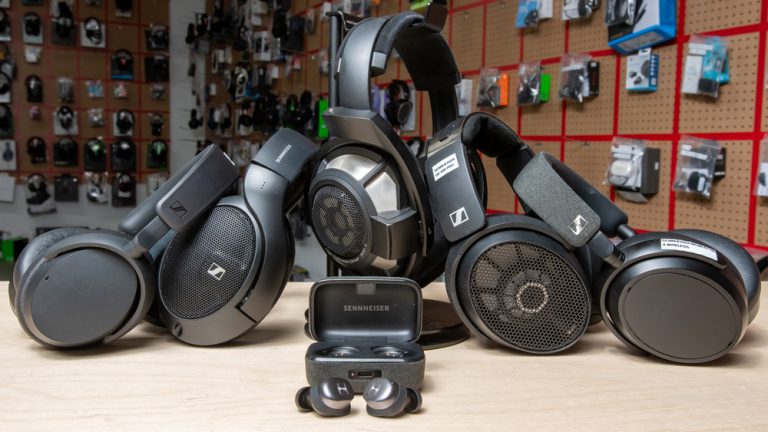
The global soundbar market is showing signs of weakness, with premium brands such as Yamaha and Sennheiser suffering significant declines at the top end. But while rivals struggle, Samsung is strengthening its grip on the sector, consolidating its position as the world’s dominant audio powerhouse.
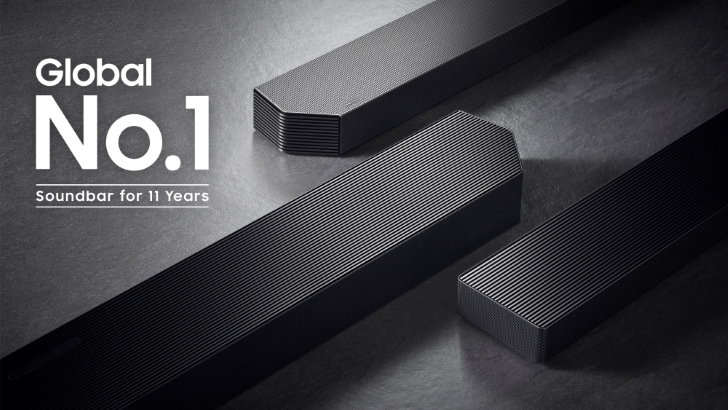
Samsung retained its position as the world’s No.1 soundbar brand for the 12th consecutive year, and the company’s influence is expected to grow further after its acquisition of Sound United, a deal that adds several major audio brands to its expanding portfolio.
According to market research firm Futuresource Consulting, Samsung captured 21.5% of global soundbar revenue and 19.7% of shipments in 2025, placing it well ahead of competitors in a market where demand is softening.
The South Korean electronics giant is now preparing to reinforce that dominance with a new generation of soundbars and wireless speakers, set to launch in Australia alongside its latest range of televisions.
Among the products coming to market is the successor to Samsung’s flagship HW-Q990F soundbar, widely regarded as one of the most advanced home theatre soundbars available. The company is also expanding into lifestyle audio with two new Wi-Fi speakers — the Music Studio 7 and Music Studio 5 — first showcased at CES 2026.
Industry analysts say the sculptural, minimalist design of the new speakers is aimed at attracting consumers seeking high-performance audio in smaller living spaces without the visual bulk of traditional speakers.
Samsung’s growing power in audio is largely the result of its $8 billion acquisition of HARMAN International in 2017, which transformed the company into one of the world’s largest multi-brand audio groups spanning consumer, professional, automotive and high-end Hi-Fi markets.
Through Harman, Samsung now commands 7–8% of the global personal audio market and dominates the portable speaker category, where its JBL brand holds roughly 60% share. JBL also controls more than 70% of the fast-growing “PartyBox” speaker segment, giving Samsung enormous leverage in lifestyle audio.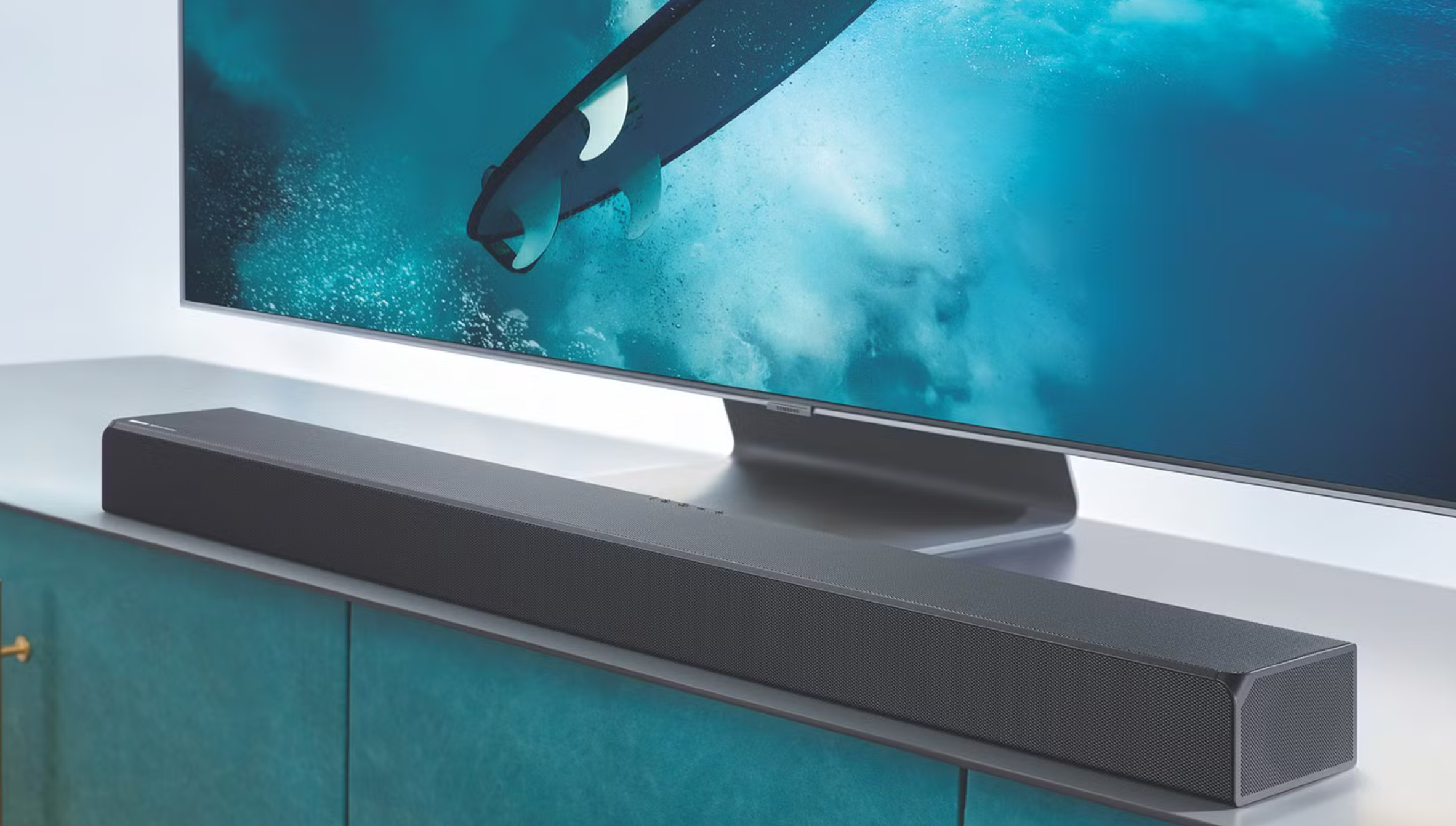
The company now controls more than 20 audio brands across consumer, luxury and professional markets.
Samsung’s soundbar strategy is closely tied to its television business, with features such as Q-Symphony, which synchronises TV speakers with Samsung soundbars to create a more immersive surround sound experience.
Samsung says its 2026 audio lineup has been designed to deliver immersive sound tailored to different home environments.
“At Samsung, we take special pride in our soundbar brand and see it as a way to bring premium sound experiences to homes everywhere,” said Lee Hun, Executive Vice President of Samsung’s Visual Display Business.
The company’s audio empire now includes a formidable lineup of brands such as JBL, Harman Kardon, AKG, Infinity, Mark Levinson, Revel and Arcam. 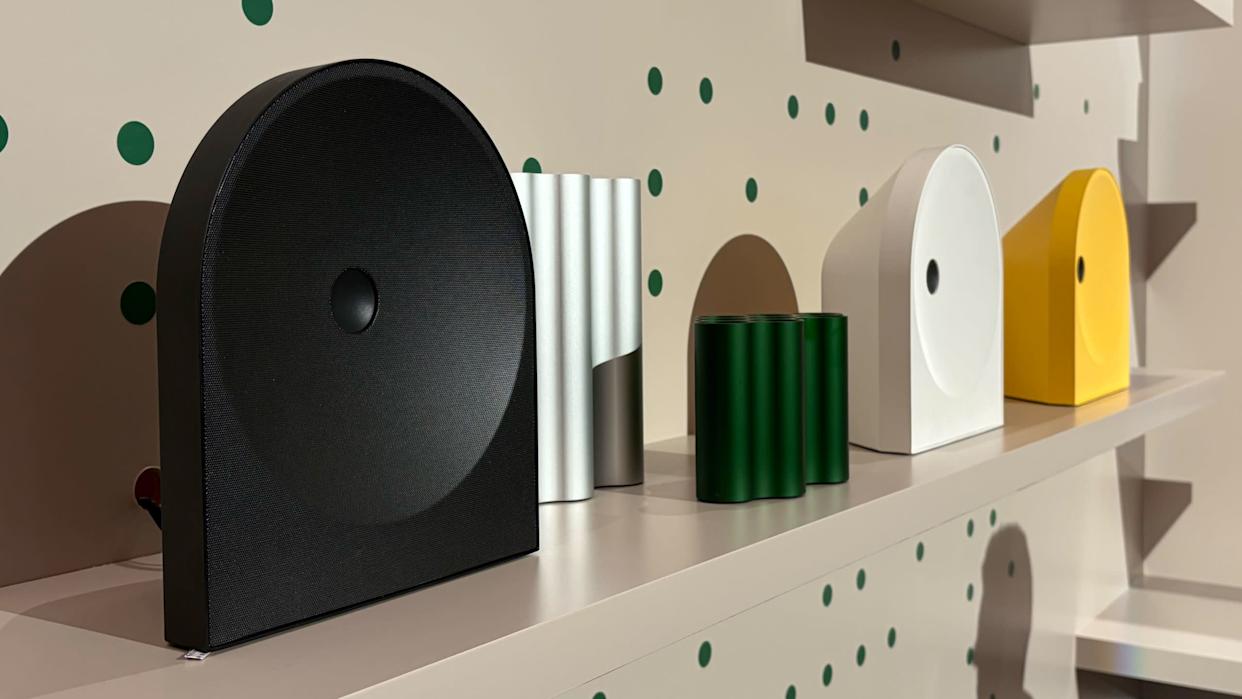
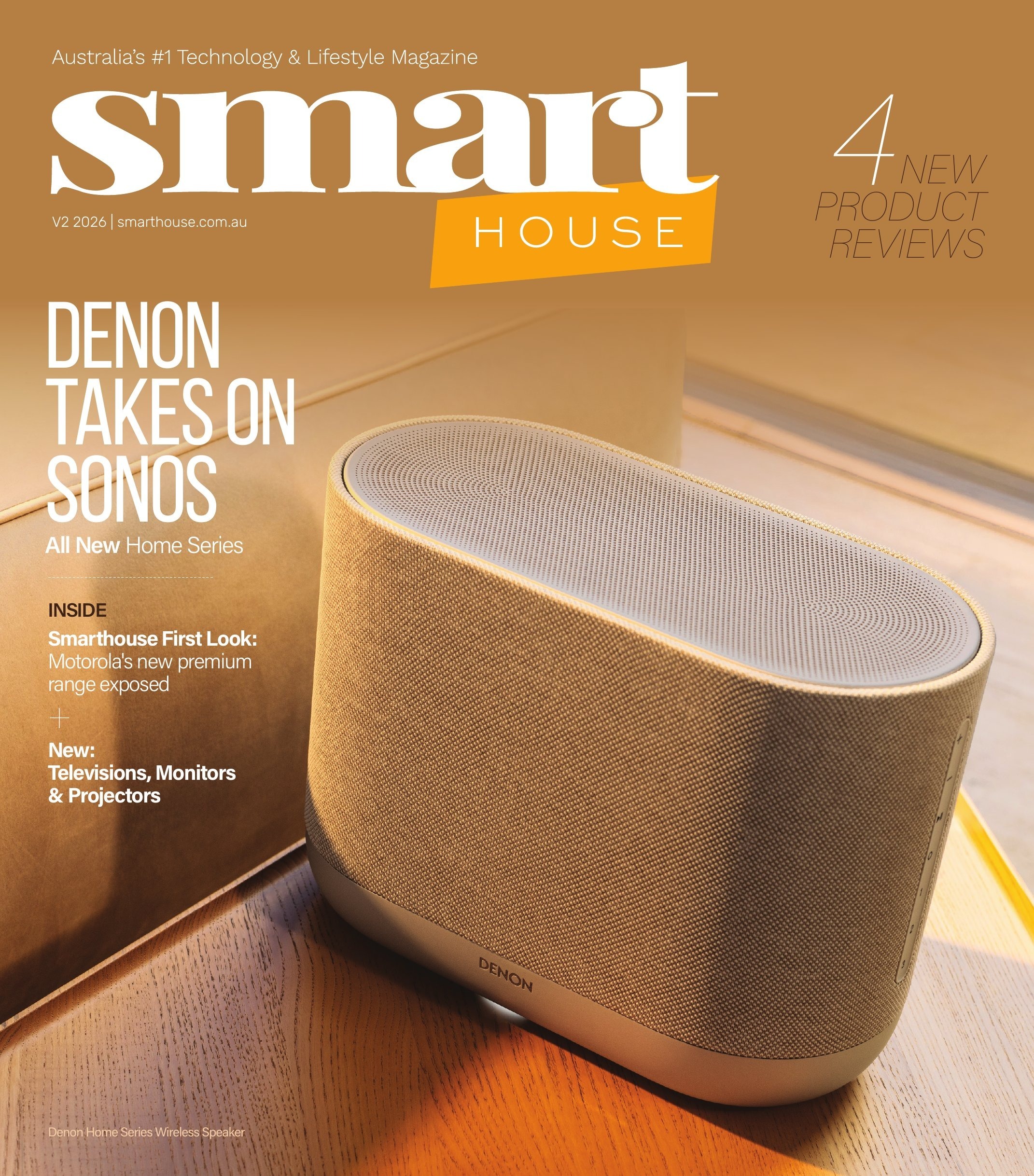
Following its latest acquisition of Sound United, Samsung has added Bowers & Wilkins, Denon and Polk Audio to its portfolio — further cementing its position as one of the most powerful forces in the global audio industry.
As competitors struggle with slowing demand in the premium soundbar segment, Samsung’s expanding brand portfolio, aggressive product pipeline and dominance in portable audio are positioning it to tighten its grip on the global sound market even further.