EXCLUSIVE: Honor’s Australian Push Falters As Sales Director Matt Segafredo Suddenly Exits
 David Richards
16 Mar 2026
David Richards
16 Mar 2026
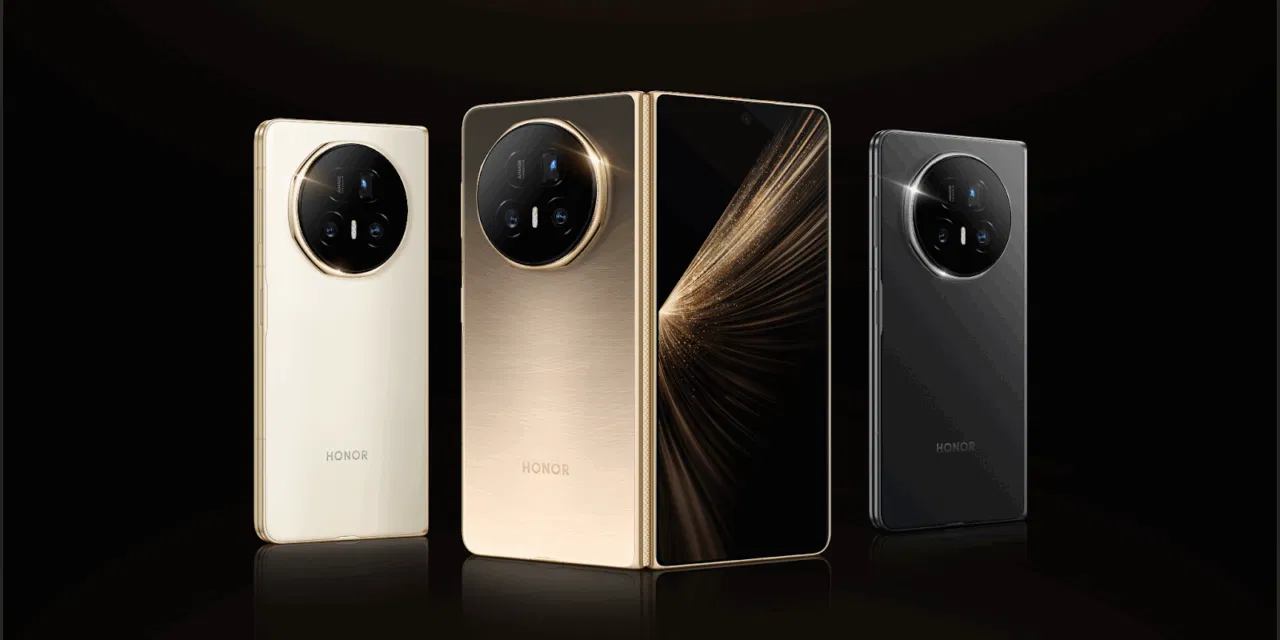
EXCLUSIVE: Chinese smartphone brand Honor’s troubled push into the Australian market has suffered another blow, with its Australian sales director Matt Segafredo parting ways with the business amid weak sales traction and limited retail support.
Honor devices, distributed locally by Sydney-based Aisida International, have struggled to secure ranging with Australia’s major carriers and leading consumer electronics retailers.
Industry sources claim the brand has failed to gain meaningful traction in Australia, with Telstra, Optus and Vodafone all declining to range the smartphones. Major consumer electronics chain JB Hi-Fi has also opted not to stock the devices, leaving Harvey Norman as one of the few national retailers carrying the brand.
Segafredo’s exit comes as the brand’s Australian strategy appears increasingly under pressure. The former Jabra sales director, who previously led the consumer audio brand’s Australian retail push, before they also exited the Australian consumer audio market due to poor sales had been tasked with driving Honor’s local expansion.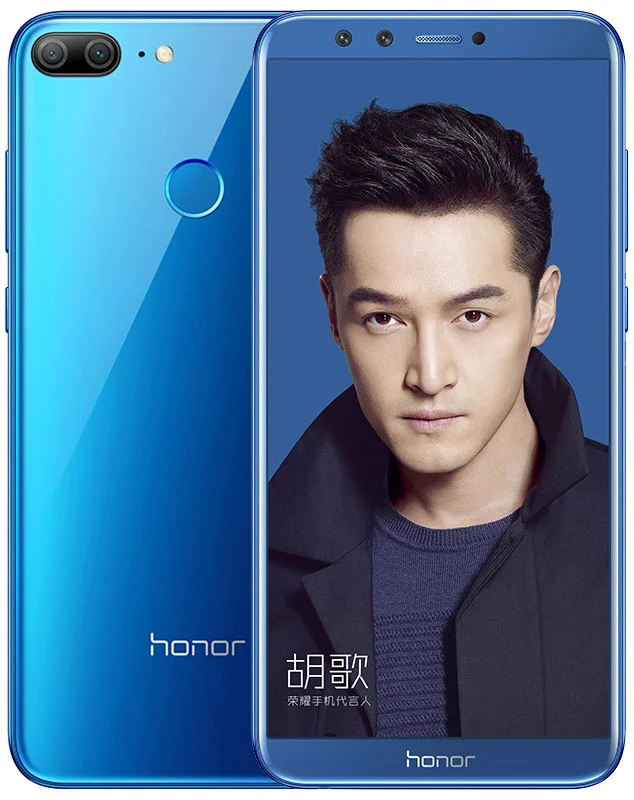
Back in August 2025, ChannelNews exclusively revealed that Aisida International had established a local office in Chatswood, NSW, as part of a strategy to distribute Honor smartphones in Australia without the Chinese manufacturer directly opening a local subsidiary.
Under the arrangement, Aisida purchases Honor devices and distributes them locally, effectively acting as the brand’s Australian channel partner.
Honor Device Co Ltd, the manufacturer behind the smartphones, has been owned since November 2020 by Shenzhen Zhixin New Information Technology Co., Ltd., a consortium of Chinese companies with reported links to the Shenzhen municipal government.
Prior to that, Huawei Technologies owned the Honor brand between 2013 and 2020. Huawei spun off the business after the Chinese telecom giant was banned in several countries, including Australia, due to national security concerns tied to its alleged connections with the Chinese government.
Security concerns continue to shadow Chinese smartphone brands operating globally.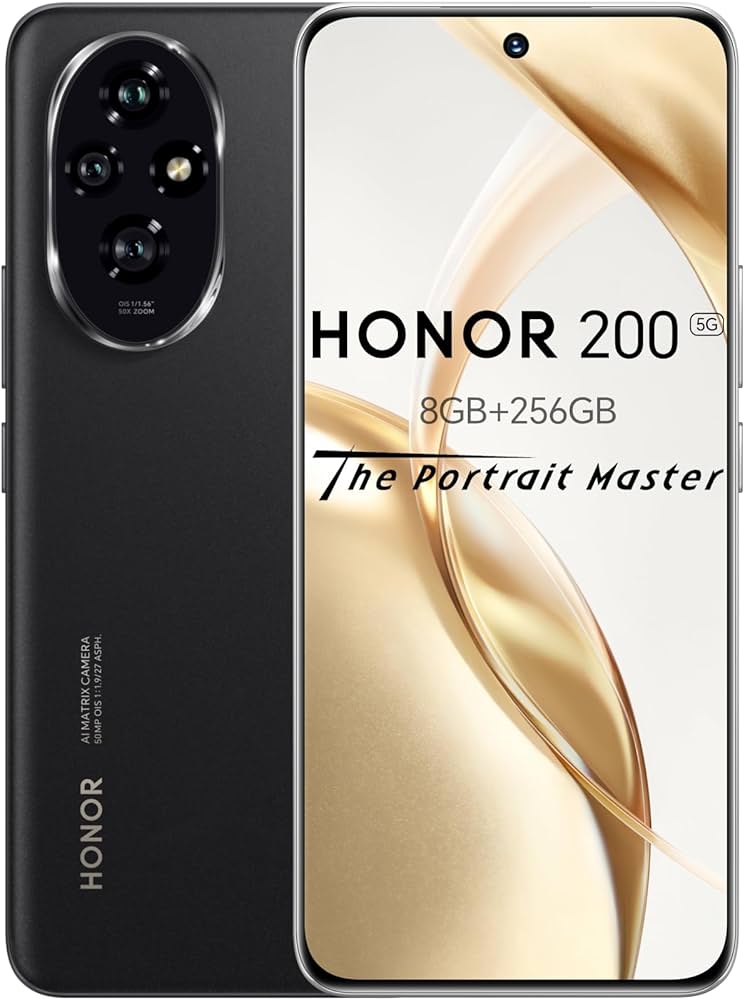
Critics point to China’s cybersecurity laws, which can compel technology companies to provide user data to authorities if requested.
Because Honor’s ownership group has state-linked connections, analysts warn that the potential exists for government access to user data.
Some lawmakers and security analysts have also questioned whether the sale of Honor to Shenzhen Zhixin was designed to sidestep sanctions placed on Huawei.
There are ongoing concerns that Honor may still rely on Huawei staff, technology or supply chains, and that members of the ownership consortium could maintain indirect links to Huawei or Chinese government entities.
The issue has also attracted attention in the United States, where policymakers previously considered extending sanctions to Honor following restrictions placed on Huawei, although no formal decision has been taken.
With limited retail support and the sudden exit of its local sales chief, Honor’s Australian ambitions now appear increasingly uncertain.