EB Games Owners Bids $77 Billion For eBay Despite Questionable Local ‘No Tax’ Record
 David Richards
04 May 2026
David Richards
04 May 2026
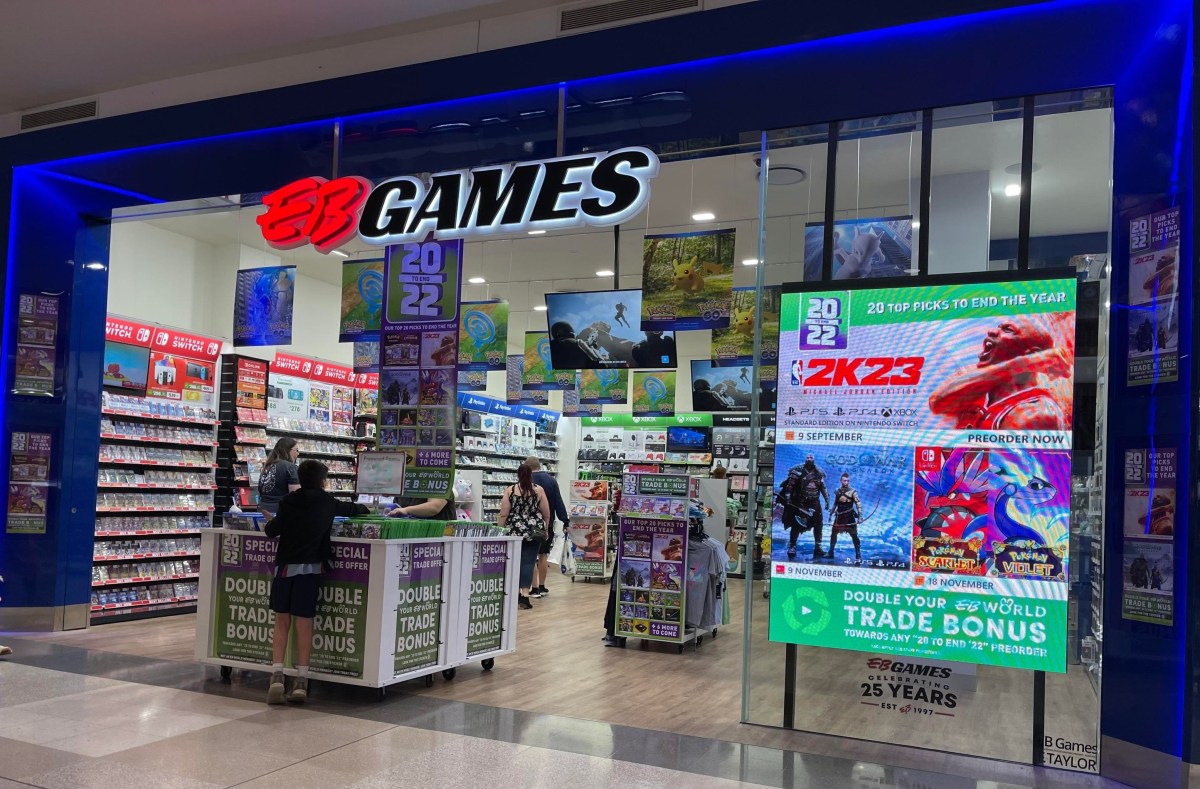
The parent company of struggling Australian retailer EB Games has launched a shock $77 billion unsolicited takeover bid for eBay , even as its local operation haemorrhages cash, closes stores, and pays little to no corporate tax in Australia.
GameStop, the US-based gaming retail giant, has stunned the industry with a cash-and-stock offer valuing eBay at $125 per share , a $20 premium on the e-commerce platform’s Friday closing price on the New York Stock Exchange. The bid has caught even local EB Games management off guard, raising urgent questions about the company’s priorities as its Australian arm continues to struggle.
Millions Out the Door , While Stores Close
At the heart of growing concern is the flow of money leaving Australia. Despite reporting $11.3 million in losses over the past two years, EB Games transferred almost $49 million in dividends and related payments to its US parent, GameStop, last year alone. Critics say cash is being funnelled to offshore shareholders at the direct expense of the local operation’s financial stability.
Adding fuel to the fire, EB Games has paid little to no corporate tax in Australia in recent years and has not disclosed whether the significant offshore cash outflows have impacted its ability to meet obligations to local creditors.
The consequences on the ground have been stark. At least 10 Australian stores shuttered in January 2026, following the closure of approximately 20 “unprofitable” locations back in 2020. GameStop has also been quietly closing US stores, while refusing to address how badly the business is being hit by Nintendo, Sony and Microsoft’s shift to direct-to-consumer sales models , a move that strips revenue directly from both GameStop and EB Games storefronts.
The Bid: Bold, Brash and Debt-Heavy
GameStop , which currently carries a market valuation of around US$11.9 billion , has secured a commitment letter from TD Securities for approximately $20 billion in debt financing to help bankroll the deal. The move has raised eyebrows given the company’s own financial trajectory.
In a letter to eBay’s board, GameStop CEO Ryan Cohen outlined plans to slash $2 billion in costs within a year of the deal closing, with $1.2 billion of those cuts targeting eBay’s sales and marketing operations. Cohen also announced he would install himself as chief executive of the combined entity, foregoing any salary, cash bonuses or severance package , staking his compensation entirely on the performance of the merged company.
Cohen argues eBay’s platform would provide a national network to support GameStop’s “live commerce” ambitions. eBay shares surged more than 13% in after-hours trading when news of the potential offer broke over the weekend.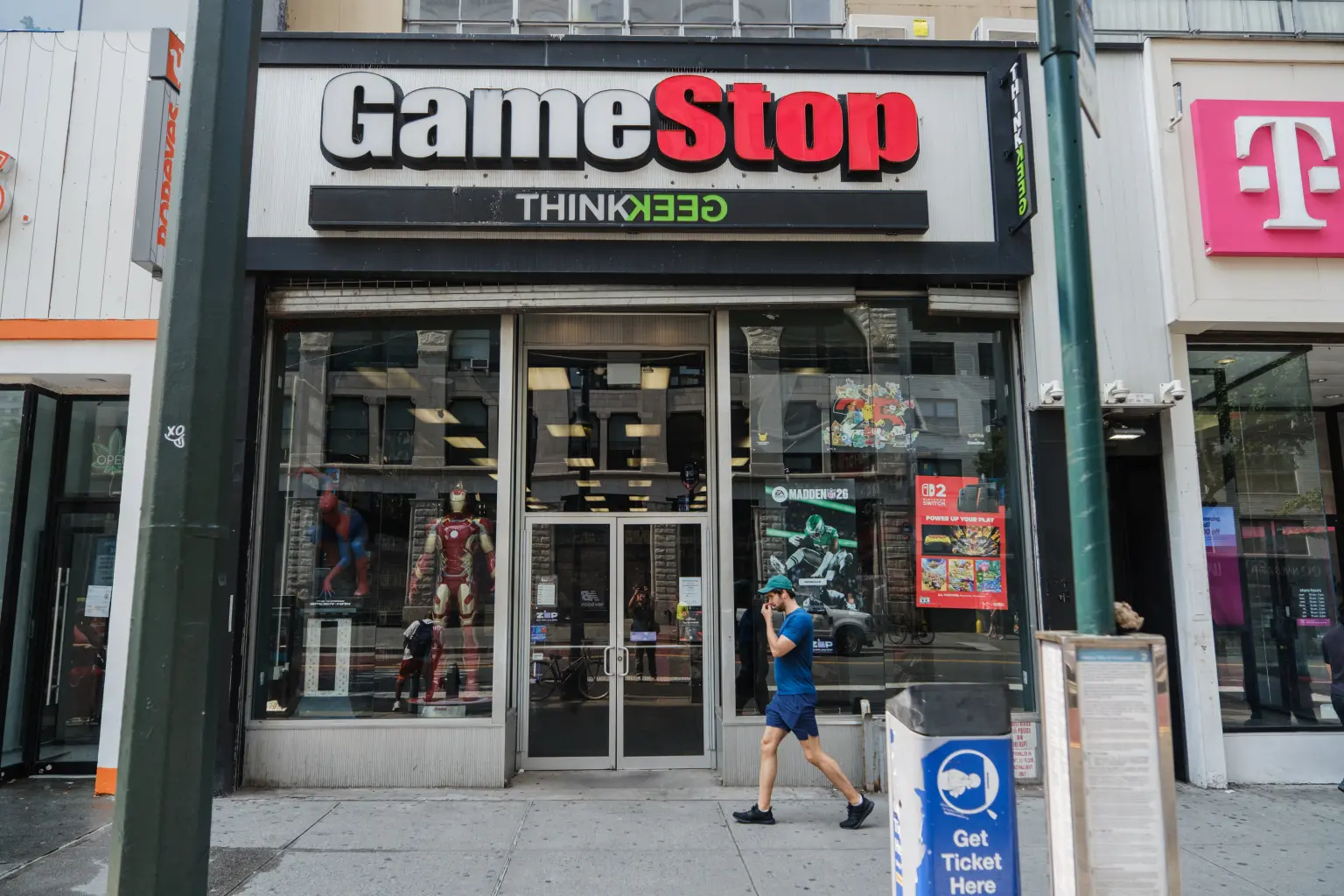
From Meme Stock to M&A Player
The audacity of the move is not entirely out of character for GameStop.
During the Covid-19 pandemic, the company became the unlikely poster child of the “meme stock” phenomenon, when retail investor and social media personality Keith Gill , known online as Roaring Kitty , helped send its share price into the stratosphere through forums like Reddit.
GameStop became the defining example of a short-squeeze: a stock heavily bet against by hedge funds that was driven to dizzying heights by a wave of retail investors. Other meme stocks of the era included cinema chain AMC Entertainment and phonemaker BlackBerry, all of which experienced wild price swings before crashing back to earth.
Whether GameStop’s latest gamble proves any more sustainable remains to be seen. But for Australian consumers, workers and creditors connected to EB Games, the more pressing question may be closer to home: as billions are manoeuvred on the global stage, who is looking out for the local operation?