Samsung Takes on Apple with New Galaxy XR Reality Headset
 David Richards
22 Oct 2025
David Richards
22 Oct 2025

Samsung is stepping into the reality headset market with the Galaxy XR, a high-performance device priced at roughly half of Apple’s Vision Pro. Initially developed under the code name Project Moohan, the headset is a collaboration with Google and Qualcomm, marking Samsung’s bold entry into the immersive technology sector currently dominated by Apple.
While Apple’s Vision Pro has largely struggled to capture consumer interest, it has found traction in B2B and enterprise markets. Businesses and developers are primarily purchasing the Vision Pro for professional applications—ranging from spatial computing and design collaboration to video production—while a small segment of early adopters and Apple enthusiasts also explore the platform.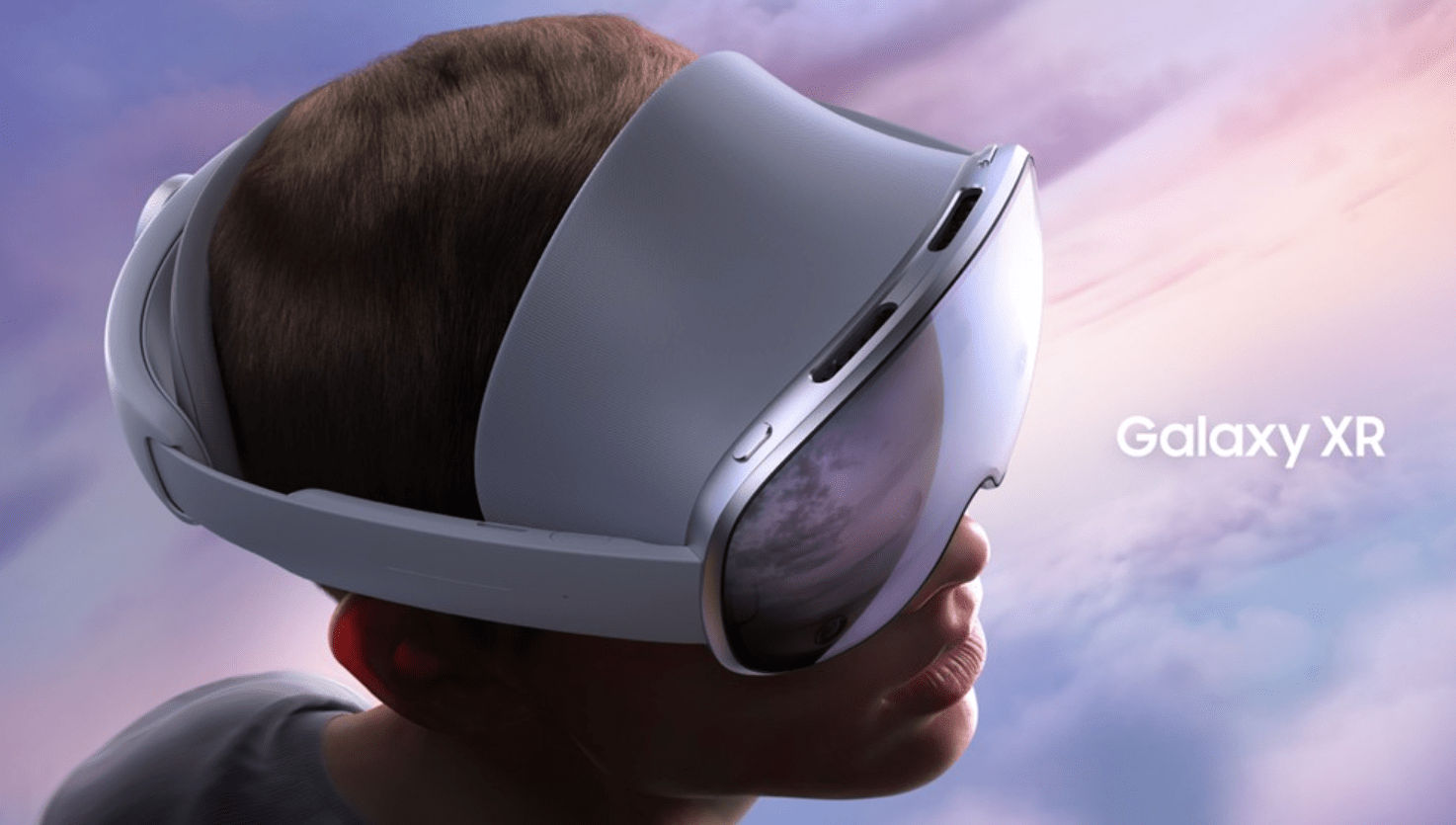
The Galaxy XR, weighing 545 grams, sits between Apple’s 600-gram Vision Pro and Meta’s 515-gram Quest 3. Samsung emphasizes its comfortable design and optimized balance, allowing up to two hours of continuous use per charge—a crucial advantage over Apple’s heavier, higher-priced headset.
At its core, the Galaxy XR combines Samsung’s hardware expertise, Google’s Android XR platform, and the Snapdragon XR2+ Gen 2 processor from Qualcomm. This integration brings a vast ecosystem of Android apps to the headset, along with immersive experiences powered by Google services like Maps, Photos, and YouTube. Users can immediately access a global user base—an ecosystem advantage Apple lacked at launch.
“This device represents the pinnacle of hardware and software innovation,” said Lim Sung-taek, Samsung’s VP for domestic sales. “With Google and Qualcomm, we are setting a new standard for immersive technology.”
The headset also leverages Google’s Gemini AI for natural, multimodal interaction, enabling control via sight, sound, and movement, directly competing with Apple’s eye- and hand-tracking system. Qualcomm’s chipset ensures low latency and precise tracking for smooth, responsive experiences.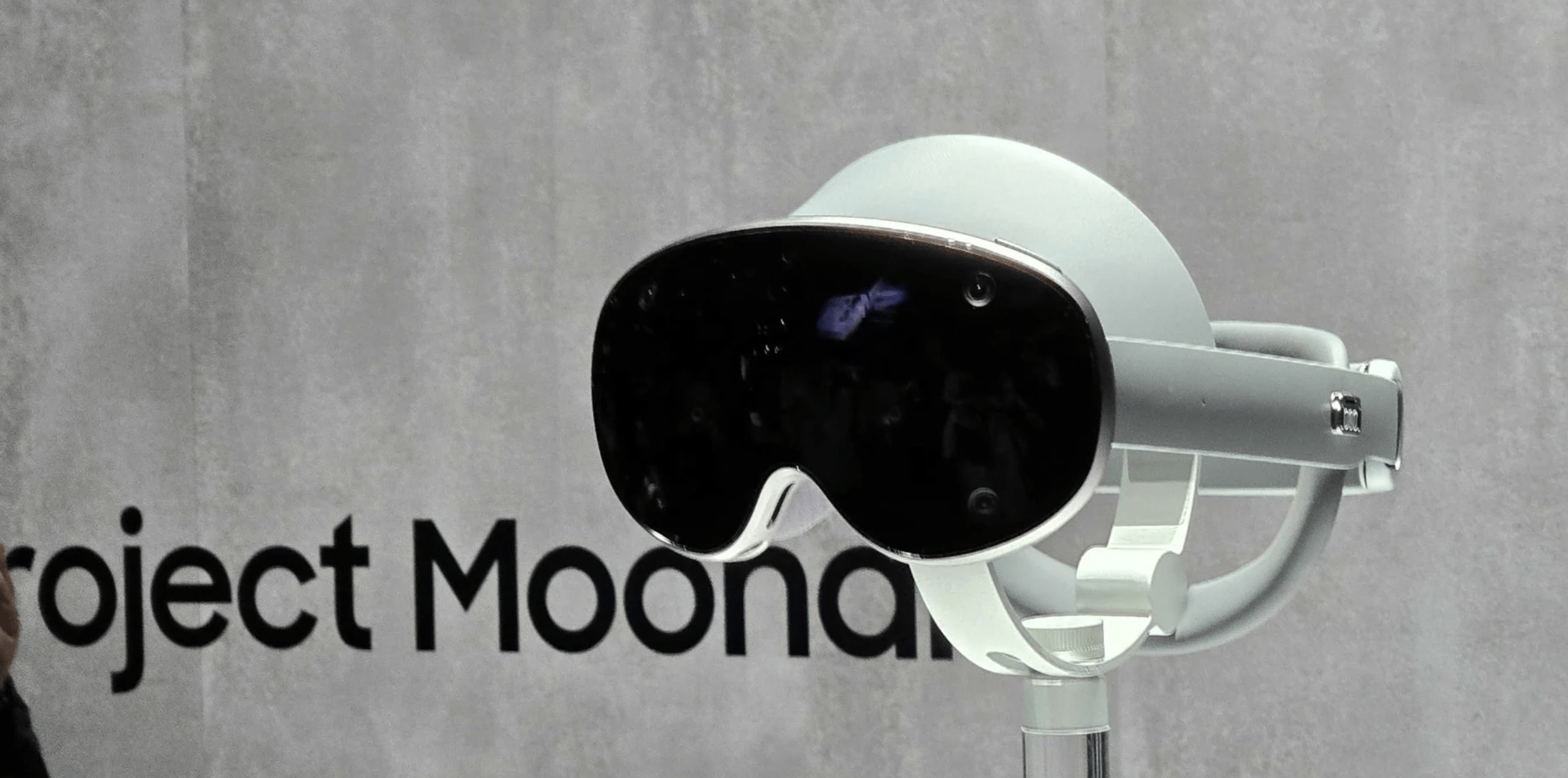
Content availability, one of XR’s biggest challenges, is addressed through exclusive partnerships with Adobe, MLB, NBA, and local platforms like Coupang Play and Naver’s Chzzk livestreaming service. Samsung aims to offer a rich, globally-relevant entertainment library, going beyond Apple’s primarily US-focused content.
“This collaboration is about more than a single device,” said Juston Payne, Google’s XR product management director. “Together, we’re building an ecosystem that connects premium content with world-class hardware and AI.”
Samsung executives envision the Galaxy XR as the first step in a broader XR strategy. Future projects include next-generation smart glasses with Gentle Monster and Warby Parker, while the Galaxy XR remains focused on immersive entertainment and productivity.
Priced at A$2,767, the Galaxy XR is now on sale in Korea and the USA, setting the stage for a direct showdown with Apple in the battle for the future of spatial and mixed reality.