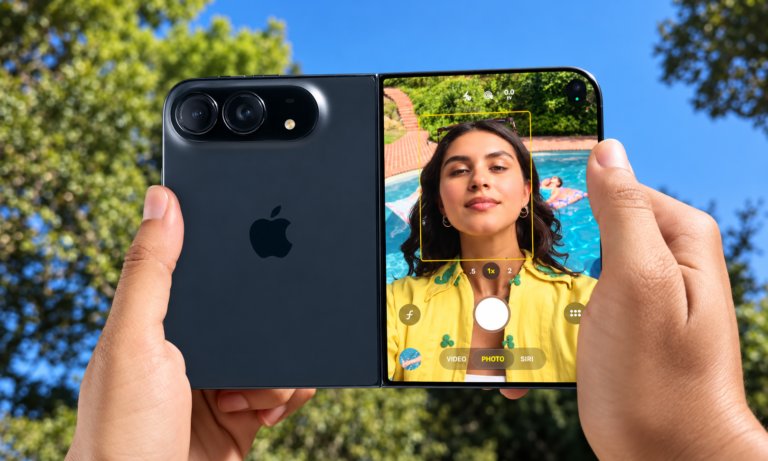
Samsung and Apple Thrive As Smartphone Market Contracts Under Memory Crisis Pressure
 Emma Wheaton
14 Jul 2026
Emma Wheaton
14 Jul 2026
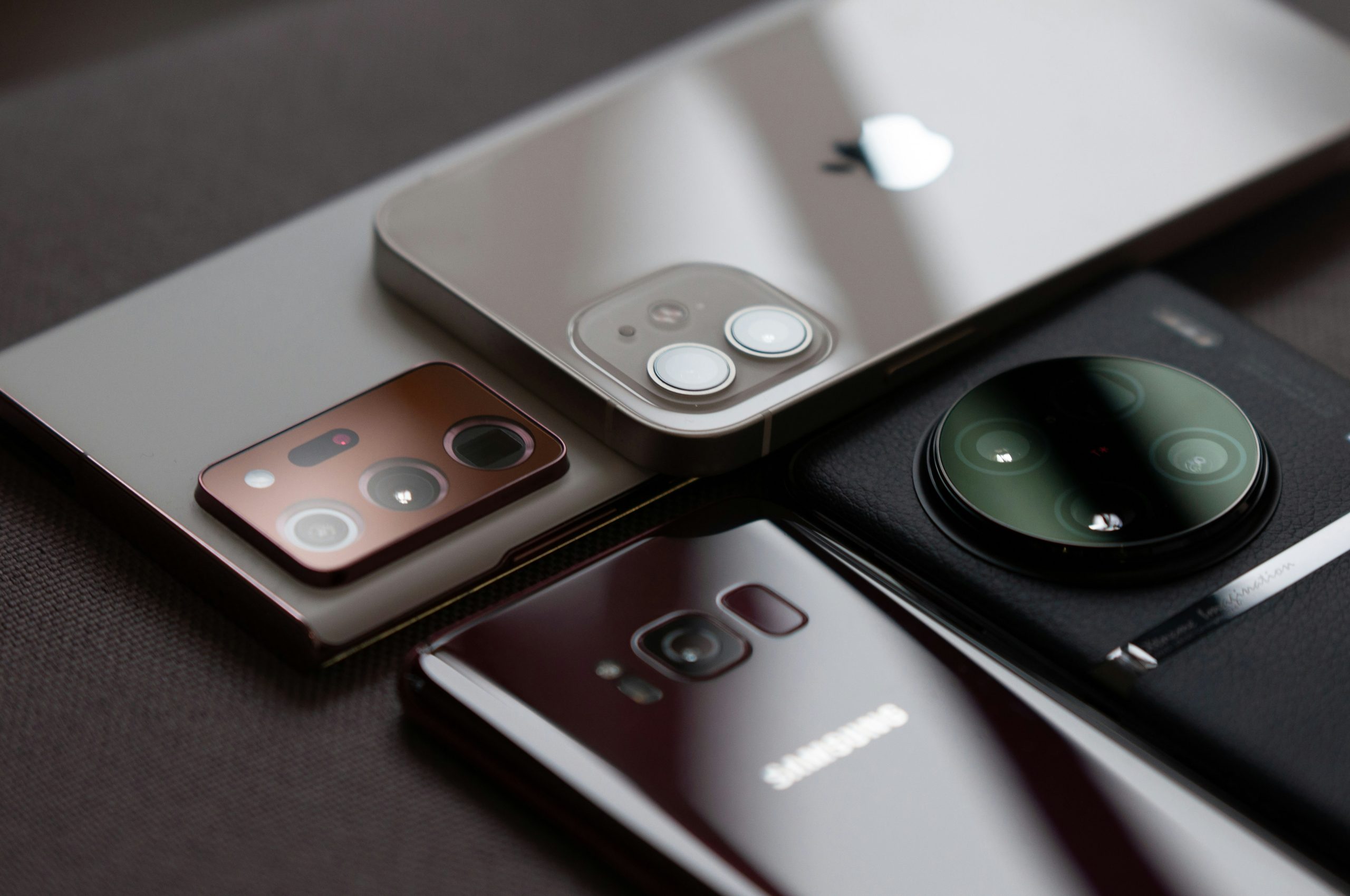
Samsung has claimed the top position in the global smartphone market, overtaking Apple as the industry faces pressure from a global memory shortage, rising costs of components and slowing consumer demand.
According to new research from Omdia, global smartphone shipments declined 4% year-on-year in Q2 2026 as supply constraints and higher memory pricing disrupted manufacturers across the market.
Despite this, Samsung and Apple emerged as winners, gaining market share while others struggled to absorb the rising costs.
Samsung finished the quarter as the world’s largest smartphone vendor with a 22% market share, while Apple captured 20%.
Samsung increased its market share by two percentage points compared with Q2 2025, supported by strong supply availability, resilient demand and a broader product portfolio that includes premium, mid-range and budget segments.
The delayed launch of Samsung’s Galaxy S26 series also helped push additional premium smartphone demand into the second quarter, strengthening the company’s position during a period when many rivals faced supply limitations.
Apple recorded its strongest-ever second-quarter performance, securing a record 20% global market share during what is traditionally its slower sales period.
The iPhone 17 series delivered one of the company’s strongest upgrade cycles. However, Apple’s record result was not enough to retain the number one market position.
Apple also benefited from maintaining relatively stable iPhone pricing while competitors were forced to increase prices in line with rising component costs.
The biggest pressure point across the smartphone sector is the mass-market segment, particularly devices priced below $400.
According to Omdia, this category suffered the steepest declines as vendors faced the highest supply constraints, lowest margins and the greatest consumer sensitivity to price increases.
Chinese smartphone brands have been forced to adjust strategies, reducing product ranges and increasing retail pricing rather than continuing to chase shipment growth.
Xiaomi retained third position globally with an 11% market share, followed by OPPO at 10% and vivo at 8%.
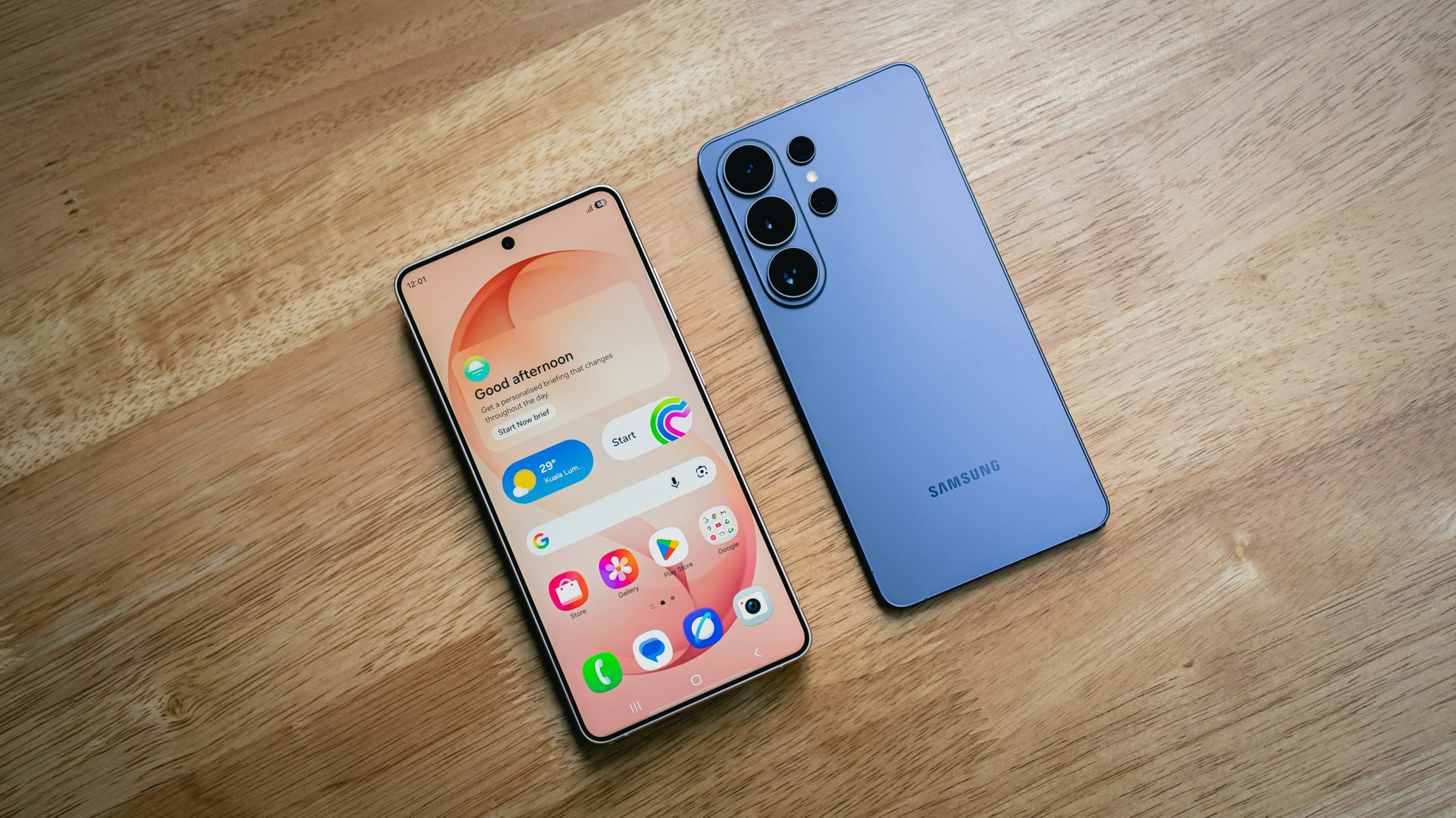
The ongoing memory shortage is reshaping the economics of smartphone manufacturing.
Omdia said memory and storage costs have increased dramatically, with some vendors paying four to five times more than a year ago.
For budget smartphones, memory and storage now represent more than 60% of the total bill of materials, while premium devices are seeing those components account for more than 30% of manufacturing costs.
Omdia expects memory pricing relief will not begin until at least the second half of 2027, with costs unlikely to return to pre-2025 levels.
For retailers, the market downturn is expected to accelerate a shift towards higher-value smartphones as brands prioritise profitability over volume.
Omdia said the next two quarters could deliver more shipment declines as seasonal demand from new launches, holiday sales periods and promotional events collide with continued supply constraints.