Safety Laws, Energy Crackdown To Drive Appliance Prices Higher as Industry Warns of Waste Crisis
 David Richards
24 Feb 2026
David Richards
24 Feb 2026

Australian consumers are being hit with rising appliance prices in 2026 as a wave of new safety mandates and tougher energy efficiency standards reshapes the market — triggering warnings that thousands of brand-new washing machines could be dumped in landfill.
Industry leaders describe the situation as a regulatory “perfect storm,” with federal and state governments simultaneously tightening child safety rules and accelerating climate-driven energy reforms.
Manufacturers say the combined impact is forcing costly redesigns, scrapping compliant inventory, and eliminating budget models — costs that are ultimately being passed on to households.
At the centre of the upheaval is a new mandatory safety standard aimed at preventing child entrapment in front-load washing machines.
From July 2026, every new washing machine sold in Australia must feature a dual-action start mechanism, requiring users to perform two distinct actions to begin a cycle — such as holding a button while turning a dial or pressing two separate controls.
The change, while widely supported in principle, has required manufacturers to redesign control boards and rewrite software across entire product lines.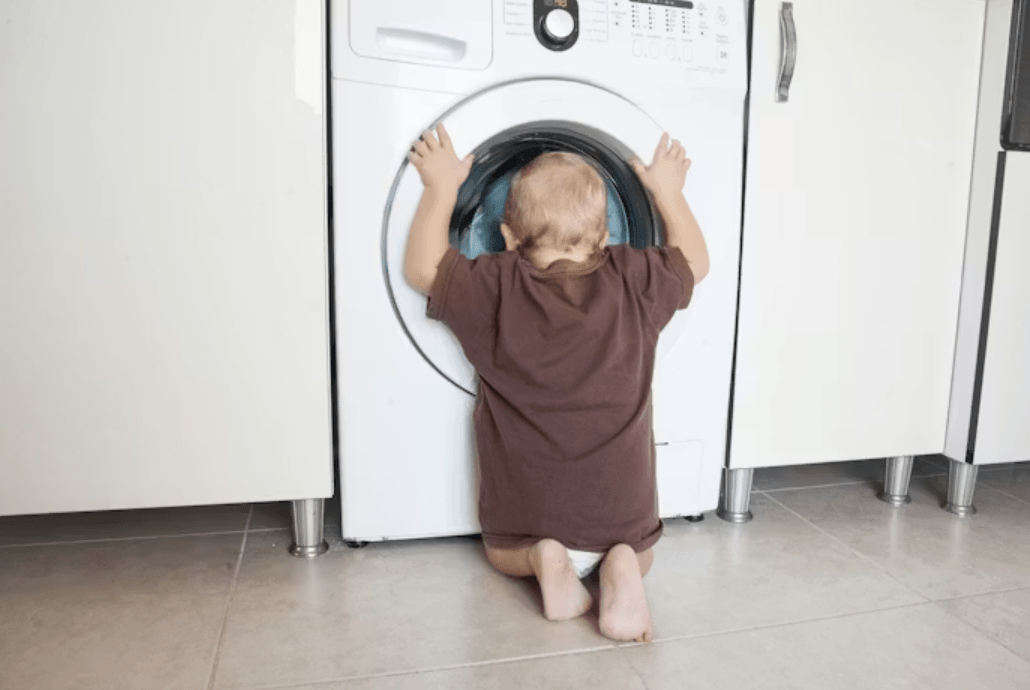
While the hardware adjustments themselves are relatively inexpensive, executives say the broader engineering overhaul — and the potential loss of “legacy” models that do not meet the new rule — has created significant commercial disruption.
Without intervention, industry groups warned that thousands of fully compliant but non-updated machines could have been sent to landfill, despite being new and unused.
In a late concession, the NSW Government granted retailers and wholesalers until 29 November 2027 to clear affected stock, delaying the original mid-2026 enforcement deadline.
Kurt Hegvold, Vice President Commercial Area ANZ for Electrolux Group and chair of the Coalition for Sustainable Solutions (COFOSS), said the industry supported the intent of the reforms but needed practical implementation time.
“The Electrolux Group is extremely supportive of the new child safety requirements,” Hegvold said. “We welcome the NSW Government’s pragmatic decision, which balances child safety with practical implementation for retailers, manufacturers and wholesalers.
“This extension ensures the industry can introduce the new safety requirements responsibly and sustainably.”
Hegvold added that the group continues to support a coordinated national approach to appliance regulation, arguing that fragmented state-by-state rules increase costs and complexity.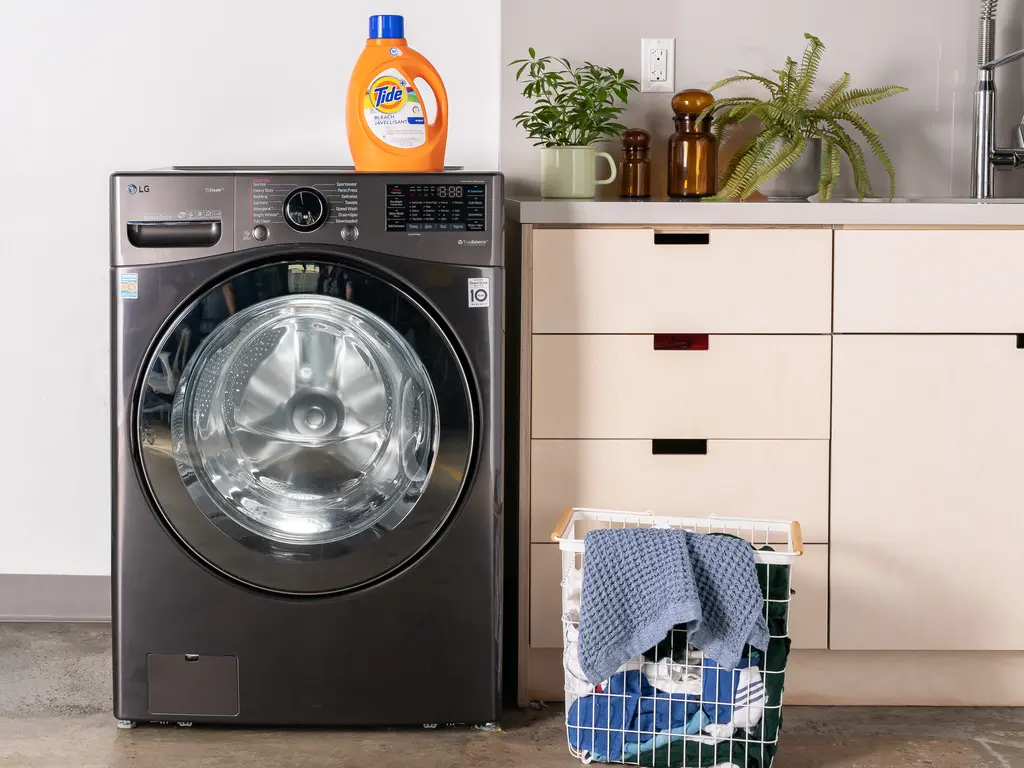
But safety reforms are only part of the story.
At the same time, governments are aggressively tightening Minimum Energy Performance Standards (MEPS) as part of Australia’s 2030 climate commitments. In late 2024 and throughout 2025, the Energy and Climate Change Ministerial Council agreed to strengthen “Greenhouse and Energy Minimum Standards” (GEMS) for washing machines, dryers and dishwashers.
The tougher benchmarks are phasing out lower-cost models that fail to meet higher efficiency tiers. To comply, manufacturers are increasingly required to fit more expensive inverter motors, advanced load-weighing sensors and upgraded heating systems — adding further cost to production.
Beyond product redesigns, companies are also absorbing what they describe as “hidden” regulatory pressures.
International tariffs on steel and aluminium — critical components in appliance drums and chassis — have driven up raw material costs. Some states are introducing or expanding e-waste levies, with anticipated recycling and disposal costs factored into retail pricing. Meanwhile, every redesigned model must undergo fresh rounds of certification testing to meet updated UL and IEC safety standards.
For global brands, Australia’s unique two-step start requirement adds another layer of complexity, forcing the development of market-specific variants rather than a single global design.
Industry bodies have lobbied extensively, arguing that cumulative regulation is reshaping the market faster than supply chains can adapt. Governments, however, maintain that safety and emissions targets cannot be compromised.
For consumers, the outcome is becoming clear: fewer entry-level appliances on shelves and higher prices across the board.
With the regulatory tide unlikely to ease, manufacturers say 2026 may mark a structural shift in the Australian appliance market — one where compliance, not competition, increasingly dictates cost.