Retailers Facing Notebook Downturn As Smart Distributors Take Advantage Of Memory Shortages
 David Richards
11 Mar 2026
David Richards
11 Mar 2026
Australian consumer electronics retailers are facing a perfect storm as a global memory chip crunch triggered by the AI boom pushes notebook prices sharply higher just as consumers grow reluctant to upgrade.
Industry sources say retailers had advance warning that a supply squeeze was coming, but many are now scrambling to move high-priced notebooks as analysts tip sales to soften with households choosing to keep older PCs rather than buy new AI-enabled machines.
ChannelNews understands that at least two distributors moved early, purchasing hundreds of notebook units before component costs surged. Those machines, which previously delivered only small margins, are now being sold at up to four times their previous profit as major PC brands lift prices.
Manufacturers including Chinese brand Lenovo, US vendors HP and Dell, and Taiwanese PC makers ASUS and Acer have all implemented significant increases as a deepening memory shortage drives up production costs.
Retailers were already hit with price rises at the start of the year and have now been warned that further increases are expected next month across several product categories where memory plays a critical role.
Apple has already raised prices on its premium laptops, with upcoming models expected to launch at significantly higher prices than originally planned. The new MacBook Pro powered by the M5 Pro chip now starts about $200 more than the previous generation released in late 2024, while the highest-end models are as much as $400 more expensive.
Other PC brands are following suit.
ASUS indicated in January that it would increase notebook prices — including gaming models — by between 15% and 25%. Acer flagged price rises of between 10% and 20% for some systems in February, while HP has also warned retailers of increases driven by surging memory costs.
Lenovo has already raised prices by around 20% and is moving to source Chinese memory modules as the shortage intensifies. The company is also integrating Chinese-developed DeepSeek AI technology into some of its notebooks.
A notice obtained by industry sources shows Lenovo warning customers that all current quotations and prices expired on January 1, 2026, citing two key pressures: a worsening memory shortage and the rapid integration of AI technologies into PCs.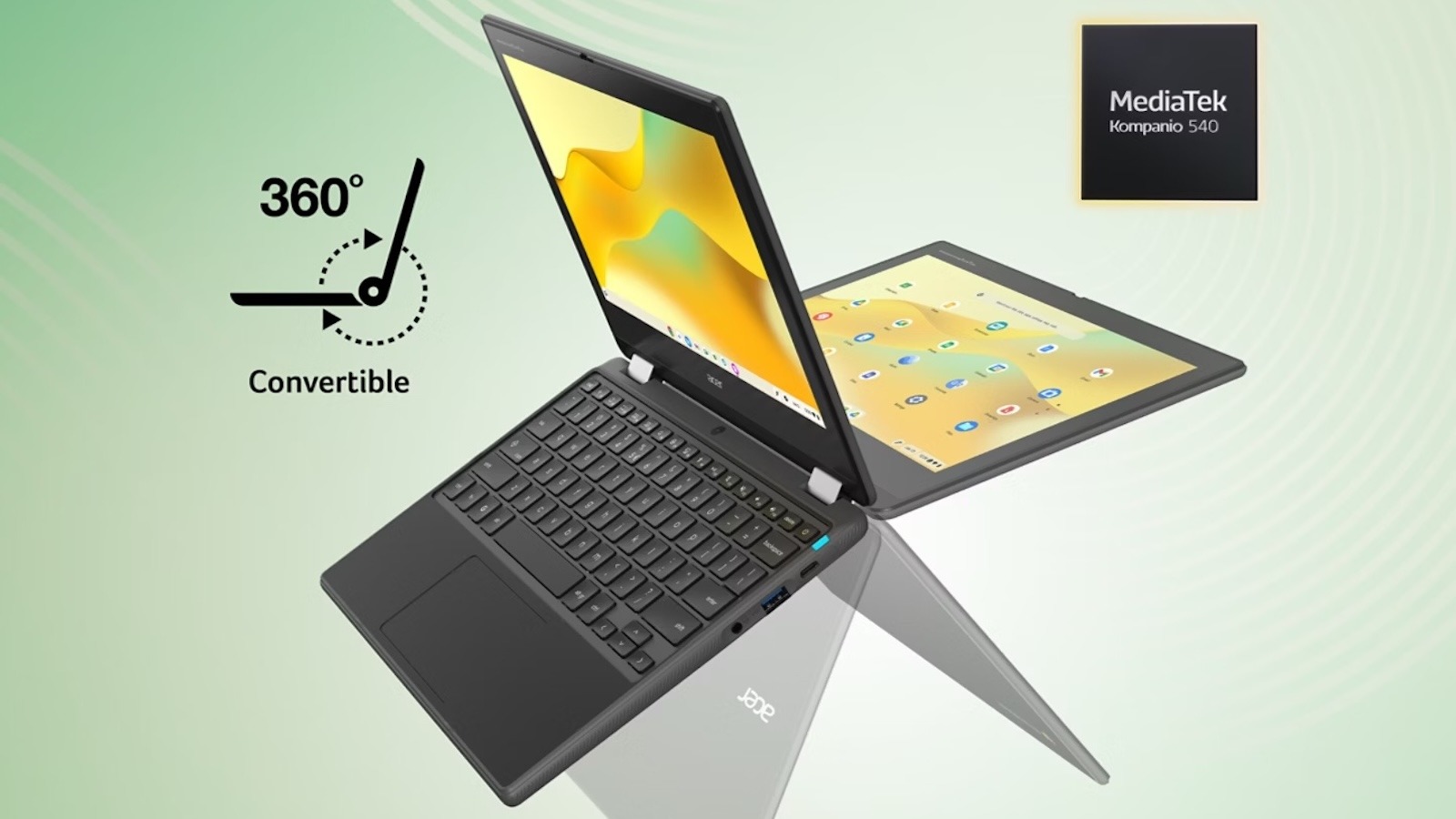 Acer, Dell, Lenovo,
According to Chinese brand Lenovo, global supply chain strains are pushing memory costs sharply higher, while businesses racing to deploy AI applications are driving unprecedented demand for high-performance computing systems.
The company urged retailers to place orders quickly to lock in existing prices and avoid further increases.
Taiwanese PC maker Acer has also warned that cost pressures are intensifying.
Acer CEO and chairman Jason Chen said late last month that memory and storage chip prices had surged between 50% and 100%, forcing the world’s sixth-largest PC vendor to pass those increases through to customers.
Industry analysts say manufacturers now have little choice.
Jeff Lin, an analyst at Omdia, told Nikkei Asia that the industry has reached the point where price increases are unavoidable.
“It’s not that they want to increase prices, but they have to, otherwise the business simply won’t work,” Lin said.
“Not all of the increase will be passed directly on to consumers. Some of the burden will be shared by suppliers, as well as channel and retail partners. But final price tags will inevitably rise.”
For now, some markets have been shielded by existing inventory purchased before the surge in component costs, but those buffers are rapidly disappearing.
Memory chips have been in critically short supply for months as demand for AI computing explodes. AI-related applications — including server DRAM, workstation memory and high-bandwidth memory (HBM) — accounted for more than 50% of global DRAM consumption in 2025, up from just 35% in 2023.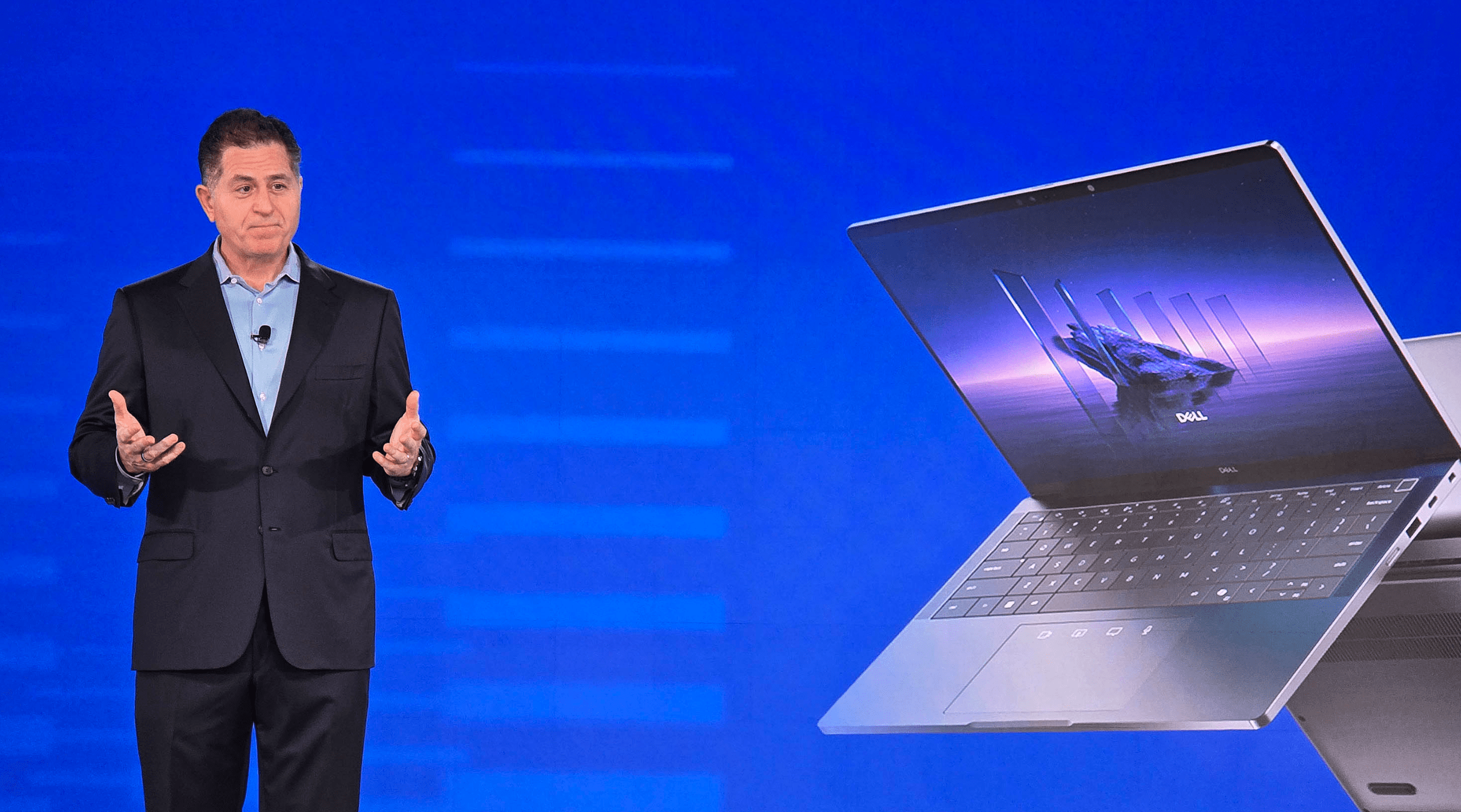
That surge has left PC and smartphone manufacturers scrambling for supply.
Some chipmakers have even shifted production away from notebook memory toward higher-margin data-centre and AI server components, further tightening availability for the PC market.
“We are seeing laptop builders shift to prioritise higher-end commercial notebooks rather than entry-level products to boost revenue and make better use of limited memory supply,” an executive at ELAN Microelectronics, which supplies touchpad controller chips to Lenovo, HP and Dell, told Nikkei Asia.
“Overall shipment volumes are still declining, but the value per unit is increasing.”
Several manufacturers had attempted to soften the impact by stockpiling memory chips during the third quarter of 2025. But industry insiders say those inventories are now running out.
A gaming PC industry executive told Nikkei Asia that most of those stockpiles likely began drying up by the end of the March quarter, forcing manufacturers to pass rising costs on to consumers.
“I am very pessimistic about the PC industry this year,” the executive said.
“There is only so much PC companies can do to absorb the costs and we have to pass on the surging costs to consumers.”
According to the executive, prices for high-end notebooks could rise by $200 to $300 as manufacturers attempt to offset the spike in component costs.
The increases could also hit household budgets, potentially delaying upgrades.
“Think about it: if you are from an ordinary family and you have two children who both need new PCs this year and each one is $200 more expensive, that means you have to spend $400 more,” the executive said.
“Will you still buy them now, or stick with the old ones for a little longer?”
The pressure is already showing up in shipment forecasts.
Anthony Peter Bonadero, president of Compal Electronics — the world’s largest contract notebook manufacturer and a key supplier to Lenovo, Dell and HP — said the company expects PC shipments to fall between 15% and 20% in the January-March quarter due to the severe memory crunch and rising component costs.
“I think the price increase is mostly impacting the consumer market, and that’s typically what’s driving the January weakness,” Bonadero said during an earnings call last week.
He added that the price of DRAM on the spot market has surged nearly 5.5 times in the past six months, while NAND flash costs have jumped almost fourfold.
The supply squeeze shows little sign of easing.
“We expect the component constraints to persist at least through 2026 and into 2027,” Bonadero said.