Sonos Attempts Comeback After Turbulent Year as Competition Closes In
 David Richards
11 Mar 2026
David Richards
11 Mar 2026

After hemorrhaging market share and suffering a major blow to its brand reputation, Sonos who was once a JB Hi Fi favourite, is attempting to refocus on what it once did best: selling speakers.
The US audio company has spent much of the past year firefighting the fallout from a disastrous app overhaul that triggered widespread customer anger and ultimately cost the company its CEO. The botched software rollout left loyal users complaining of broken functionality, missing features and unreliable system performance—problems that took months to stabilise and severely dented the company’s once-premium reputation.
Now, after a year spent trying to repair its image, Sonos is returning to product launches in an effort to regain momentum in a speaker market that has become far more competitive during its time in crisis.
The company’s latest push centres on two new products—the Sonos Play and the Era 100 SL—both designed to attract new users into the Sonos ecosystem while encouraging existing customers to expand their systems.
But Sonos is entering a market that looks very different from the one it dominated a few years ago.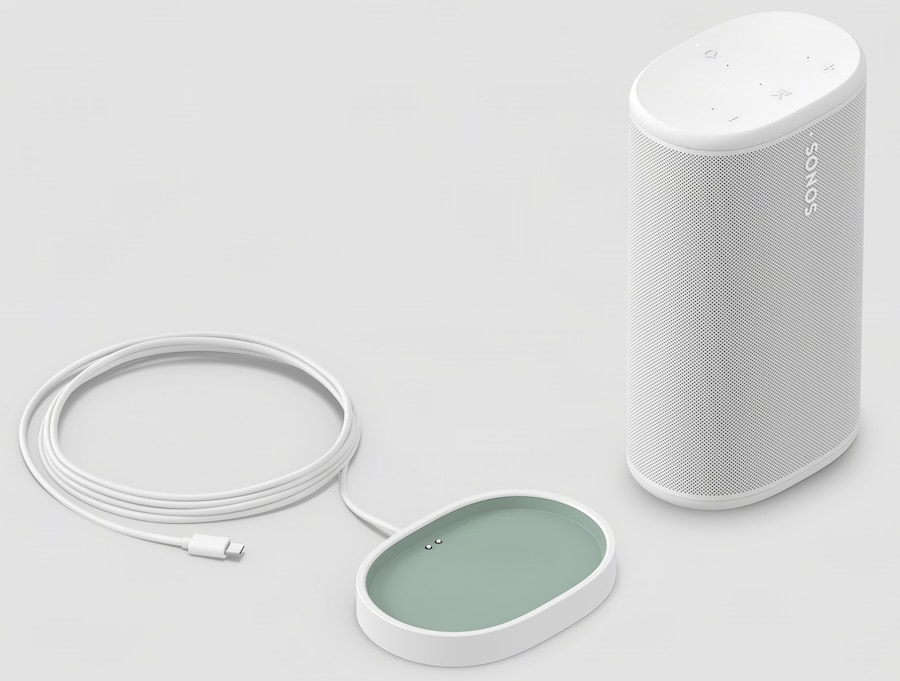
Rivals Move In While Sonos Regroups
During the period in which Sonos was scrambling to fix its software problems, competitors moved aggressively to fill the gap.
Samsung, which already owned Harman, has strengthened its position in the home audio sector by acquiring Sound United, bringing brands such as Denon into its portfolio. Those products are now being heavily promoted by retailers such as JB Hi-Fi, with some industry insiders suggesting the push is designed to capture sales that once flowed to Sonos.
At the same time, a new generation of streaming-focused brands has emerged. Companies such as WiiM—once a niche player—are rapidly gaining traction with consumers looking for cheaper, flexible alternatives to the Sonos ecosystem.
The result is a wireless speaker market that is far more crowded and aggressive than when Sonos was riding high.
Discounting and Ecosystem Strategy
Sonos has also been forced to resort to significant discounting on older products to clear inventory and reignite demand after the app controversy stalled sales.
Against that backdrop, the company is positioning its new speakers as easy entry points into its ecosystem.
The Sonos Play is designed as a hybrid speaker capable of working both inside and outside the home. Over Wi-Fi it behaves like a traditional Sonos speaker, capable of being grouped with other Sonos devices across multiple rooms or paired in stereo.
For outdoor use, it switches to Bluetooth mode, offering up to 24 hours of battery life and an IP67 rating for dust and water resistance.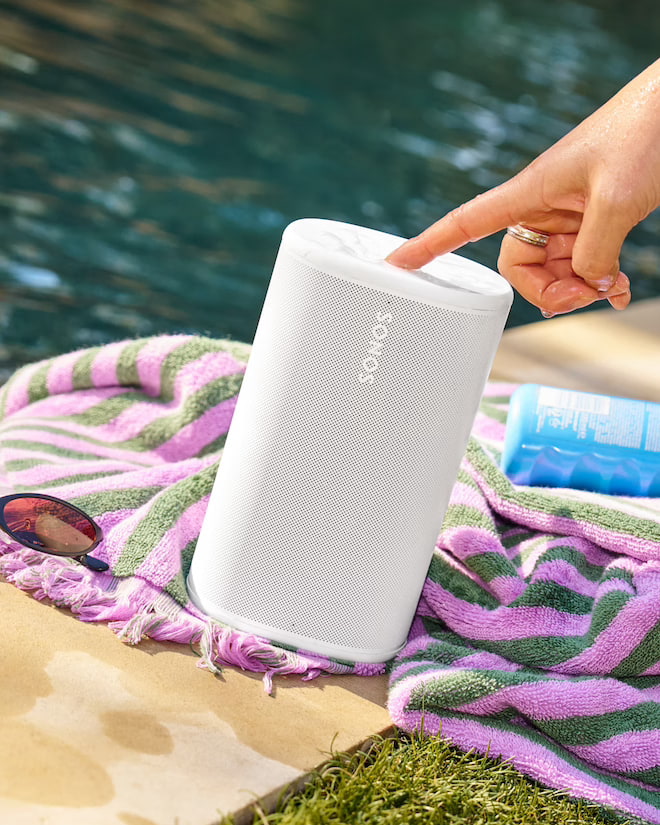
The Era 100 SL, meanwhile, takes a simpler approach. It is a streamlined version of the Era 100 platform with no microphone or voice assistant, aimed at customers who want a dedicated Wi-Fi speaker for expanding an existing Sonos setup.
Both products reflect a strategy focused less on entirely new categories and more on building out the Sonos platform piece by piece.
A Company Still Haunted by Past Missteps
Sonos’s challenges did not start with the app debacle.
For years the company built its reputation around a tightly controlled proprietary ecosystem. That approach helped Sonos dominate early multi-room audio but became a liability as the broader market shifted toward Bluetooth connectivity and open streaming standards.
One of the company’s most controversial moves came when it attempted to phase out support for older speakers, effectively forcing some customers to upgrade hardware in order to keep using new features. The decision triggered widespread backlash and raised questions about Sonos’s long-term strategy.
The more recent app disaster only amplified concerns about the company’s product direction and internal management.
Industry analysts say the result has been a rare collapse in goodwill for a brand that once enjoyed almost cult-like loyalty among its users.
Retail Tensions Emerging
Sonos may also be facing friction with retail partners.
The company has increasingly pushed direct-to-consumer sales, often emailing existing customers with offers encouraging them to buy additional speakers directly from Sonos rather than through retailers.
Some retailers are reportedly growing frustrated with the strategy, particularly as rival brands offer stronger in-store support and promotions. Several stores have already begun giving more shelf space and marketing attention to competing audio brands.
A Critical Moment for Sonos
With the launch of the Sonos Play and Era 100 SL, the company is clearly attempting to reset the narrative—shifting attention away from software turmoil and back toward hardware innovation.
But rebuilding trust in a fiercely competitive market will not be easy.
Sonos once defined the modern wireless speaker category. Today it finds itself fighting to reclaim relevance in a market filled with aggressive rivals, skeptical retailers and customers who have not forgotten the company’s recent missteps.
Whether these new speakers mark the beginning of a genuine comeback—or simply another attempt to steady a shaken brand—remains to be seen.