Samsung Brings HDR10+ Advanced To Prime Video Ahead Of Dolby Vision 2
 April Ossington
Samsung is rolling out its next-generation HDR technology to Prime Video this month, becoming the first manufacturer to launch a new high dynamic range format ahead of the long-awaited arrival of Dolby Vision 2.
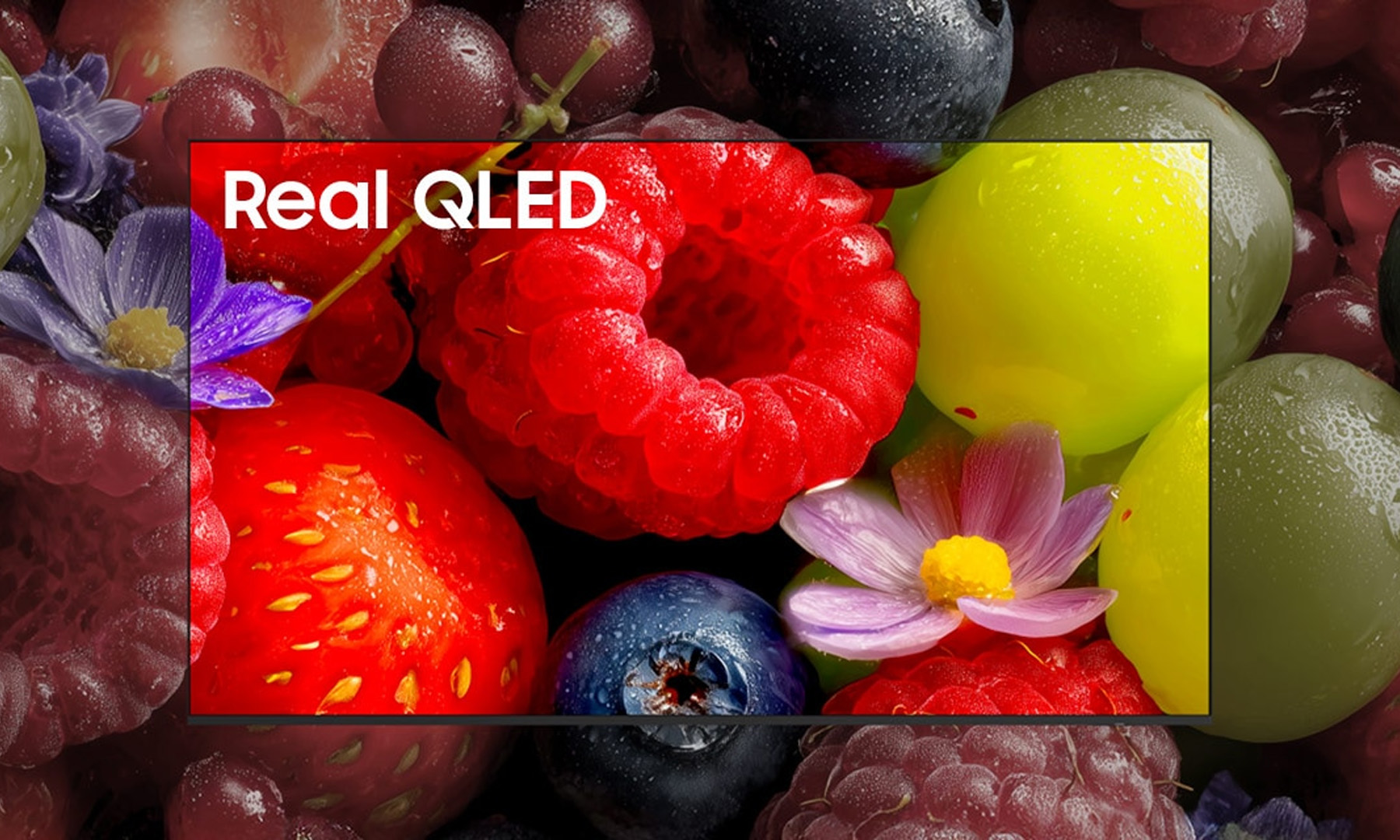
Known as HDR10+ Advanced, the new format will be supported on Samsung’s 2026 television range and is designed to deliver improved picture quality through a series of enhancements that optimise brightness, colour, contrast and motion on compatible content.
Although Samsung has not confirmed exactly which 2026 TV models will receive the feature, it has revealed that Amazon Prime Video will begin streaming HDR10+ Advanced content this month. The streaming service’s original series Ride or Die has already been confirmed as one of the first titles to support the format.
HDR10+ Advanced introduces six key improvements over previous HDR standards. These include increased brightness designed for the latest high-performance television panels, picture adjustments tailored to different genres, improved local dimming performance on Mini LED displays and more accurate colour reproduction.
Samsung has also developed new motion processing technology called Intelligent Motion Smoothing. The feature is intended to deliver smoother movement during fast-paced scenes while avoiding the artificial appearance often associated with older motion interpolation systems.
Gaming has also been considered, with Samsung incorporating a dedicated mode designed to improve performance when using cloud gaming services.
The launch places Samsung ahead of Dolby, which announced Dolby Vision 2 in late 2025 but has yet to make the format commercially available. Dolby Vision 2 introduces its own motion enhancement technology, known as Authentic Motion, and is expected to arrive through future software updates once compatible devices and streaming services are ready.
The competing technologies are shaping up to become the latest battleground in the television industry.
Manufacturers including Hisense, Philips and TCL have committed to supporting Dolby Vision 2, while Samsung continues investing in its own HDR10+ ecosystem. Meanwhile, LG has chosen a different path by collaborating directly with Prime Video on separate picture enhancement technologies rather than adopting either competing standard.
Samsung’s decision to launch HDR10+ Advanced first may also provide commercial advantages. By continuing to develop its own HDR platform instead of licensing Dolby Vision, the company avoids paying Dolby licensing fees while maintaining greater control over its television ecosystem.
As premium televisions continue to evolve, the competition between HDR standards is likely to intensify. For consumers, the growing number of formats means picture quality will increasingly depend not only on the television they purchase, but also on which streaming services and content providers support their chosen HDR technology.