Retail Facing Tough Times As Suppliers Denied Insurance Cover
 David Richards
20 Jun 2025
David Richards
20 Jun 2025
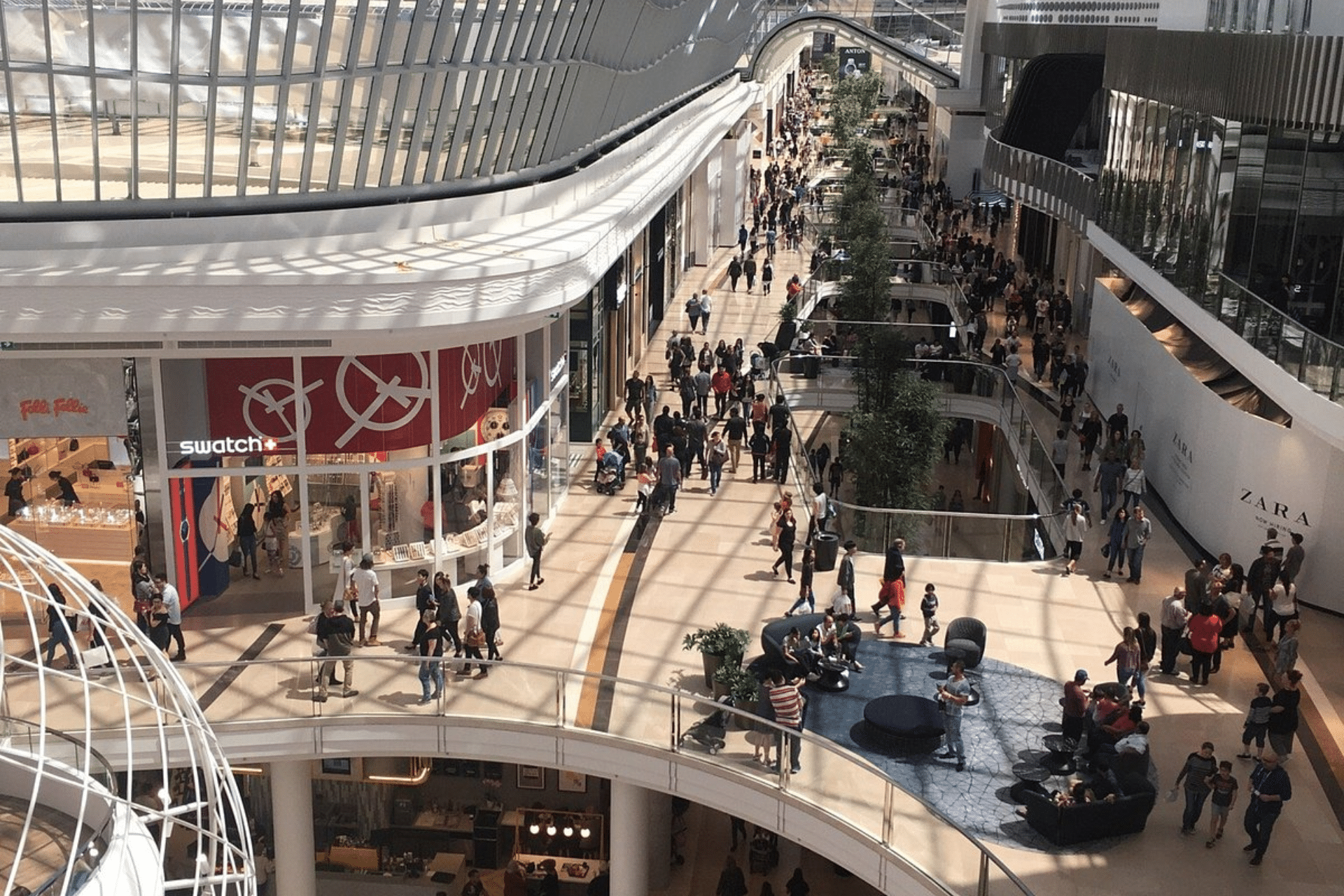
Retailers in Australia are facing a difficult time, with insurance Companies refusing to provide cover to distributors who supply stock to retailers the move comes as lenders and investors also move cut back on their exposure to retailers.
ChannelNews was recently made aware that one major food distributor who supplies goods to Aldi, Coles and Woolworths recently told the struggling Harris Farm Markets operation that they had to pay cash up front, for the goods after their insurance broker refused to supply cover for goods being sold to the NSW retailer.
The decision to not back stock going into the boutique food retailer came after it was revealed that Harris Farm had breached its banking covenants last year, after the high-end grocery chain reported recently that losses had tripled to $22 million.
In the specialist audio and PC market several retailers have already been placed into administration including NSW based PC retailer Mwave who left behind a trail of debt, also placed into administration this year was Melbourne based Hollywood Cinema store, also in Melbourne Boutique AV and several linked Companies have been placed into administration with debts of over $25M.
In the CE And appliance space we are also aware of cash flow problems at one retailer who is moving to sell assets to minimise the problem while big department store David Jones, and Katmandu also facing new problems.
The Australian recently reported that investors are not up the opportunity to providing fresh equity to struggling retailers and that their peers are passing up on the opportunity to acquire their rivals.
This did not stop the Digi Group of Companies snapping up Mwave this week in Sydney.
Earlier this year the group that controls CE and appliance retailer Cheap As Chips closed all 136 Rivers clothing stores across Australia after Mosaic Brands’ collapse. Rivers joins Katies, Rockmans, Autograph, Crossroads, W Lane, and BeMe in the retail graveyard of retailers that have collapsed this year.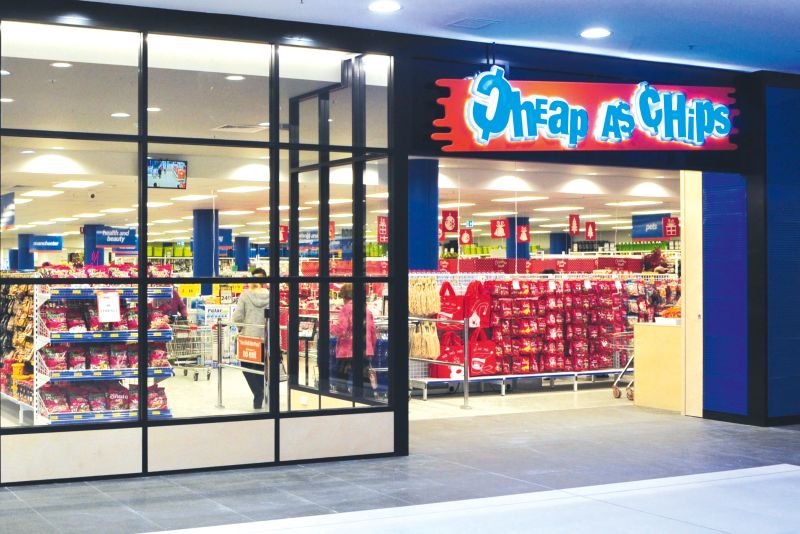
Others to enter administration in 2025, including Jeans west, Wittner, and Toys R Us ANZ which was linked with Melbourne based distributor Distributed Electronics whose owners are believed to have lost $17M and a major product development deal.
Yesterday KMD Brands, which owns Kathmandu and Rip Curl brands, issued another market downgrade with sales falling 6.5% in the second half of the year.
The business that has $70m of debt has received a waiver from its lenders, but market sources told the Australian that they believe that even if it were the case that it wanted to raise equity, it would struggle to gain investor support to do so.
But analysts said the tighter margins, down 140 basis points year-on-year, suggested that its real challenge was discounting to protect market share in a highly competitive environment.
A big problem for CE and appliance retailers is the compounding challenges they face because of the uncertainty around Trump Tariffs and Prime Minister Albanese’s failure to negotiate a deal for Australia.
Luxury online retailer Cettire, meanwhile, rejected the claim that an equity raising would be on the cards in April with just $76m of cash and a $200m market value. But since that time, its performance has deteriorated further.
Also under pressure are online retailers such as Cettire whose share price has halved.
Kogan’s stock price is down 36% this year, while Catch the failed online retailer has been closed down after losing millions for owner Wesfarmers.
Questions are also being raised about the future David Jones, which is now owned by Anchorage Capital Partners who outlaid $125M for the business in 2022.
The big department store retailer has been struggling, with the retailer moving to push out the payment times to its suppliers, several suppliers are now adding the cost to their next supply contract as a price rise.
The stock within the business is owned by lender Gordon Brothers with some suggesting that a merger with Myer could be one option for the business if Anchorage who were behind the Dick Smith retail collapse decides that they don’t want to invest further capital in the business.
One option floated has been a nil-premium merger with Myer, which is largely controlled by Solomon Lew, who holds a significant stake.
But most believe the billionaire retailer would be hesitant to take on Myer’s rival because it would increase the exposure to more retail leases in shopping centres.
According to suppliers to specialist audio dealers in Australia over 50% are operating on a cash only basis.