Apple iPhone Duo Scalpers Smashed As Samsung Galaxy Z Fold 8 Sales Surge
 David Richards
06 Nov 2026
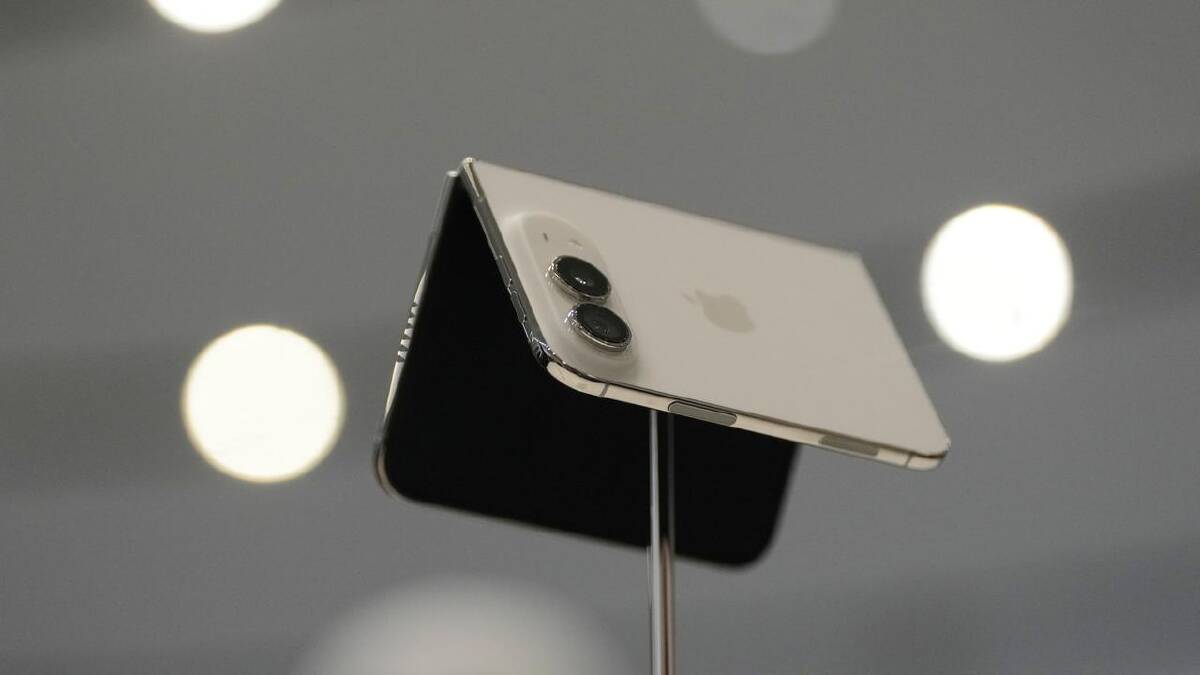
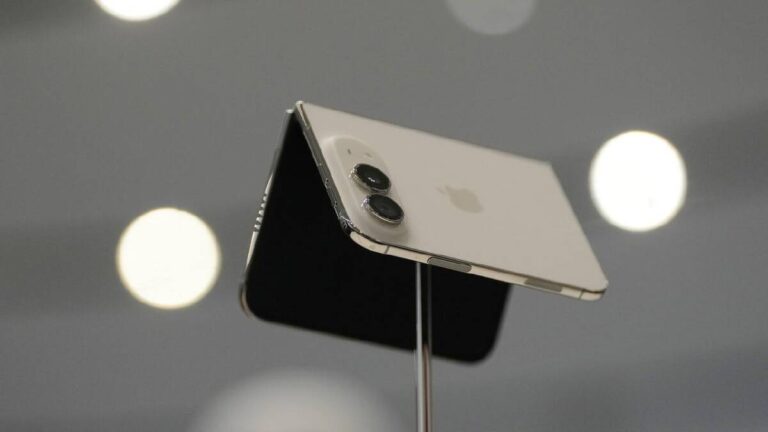
Scalpers who snapped up bulk supplies of Apple’s new $3,599 iPhone Duo in anticipation of a lucrative resale market are facing mounting losses, as reports of cracked OLED displays, questionable hinges and unsightly gaps drive buyers towards Samsung’s Galaxy Z Fold 8.
What was supposed to be one of Apple’s biggest smartphone launches in years is rapidly turning into a headache for resellers who gambled on limited supplies and soaring demand for the company’s first foldable iPhone.
Instead, the problems plaguing the device are delivering an unexpected windfall for arch-rival Samsung, with reports claiming Galaxy Z Fold 8 sales have surged by more than 20% in recent weeks.
Prior to the October 23 launch, Apple’s new foldable was being tipped as a potential blockbuster, with months of hype fuelling speculation that initial supplies would be unable to meet demand.
Scalpers, particularly those operating across Asia-Pacific markets and selling into Australia through third-party online marketplaces, moved quickly to secure stock, anticipating the sort of substantial resale premiums that have accompanied previous high-profile Apple launches.
What they didn’t count on was a growing controversy over the quality of Apple’s first-generation foldable.
Within days of the device reaching consumers, reports began emerging of cracked inner OLED displays, problems around the hinge mechanism and, more recently, visible gaps between the hinge and the rear casing.
The problems, dubbed “Crackgate” and “Gapgate” by some owners, have raised questions about Apple’s engineering and quality-control standards.
Now the scalpers who were banking on scarcity are finding themselves holding expensive stock that buyers are increasingly reluctant to purchase at inflated prices.
Secondary-market asking prices have reportedly fallen sharply, with industry chatter suggesting some operators are facing losses running into tens of thousands of dollars.
There are even claims that larger resellers holding substantial inventories could be exposed to six-figure losses, although the scale of those losses has not been independently verified.
The collapse in speculative demand is particularly embarrassing given the enormous publicity surrounding Apple’s entry into the foldable smartphone market.
For months, Apple enthusiasts and technology commentators had predicted that the Duo would shake up a category Samsung has spent years developing.
Instead, early hardware complaints are giving consumers another reason to consider Samsung’s more established foldable technology.
The Korean manufacturer, which has progressively refined its folding displays, hinge mechanisms and software over successive generations, is now reportedly benefiting from consumers reconsidering their purchase of Apple’s first-generation device.
Industry reports claim Galaxy Z Fold 8 sales have increased by more than 20% in recent weeks, with demand placing additional pressure on Samsung’s supply chain.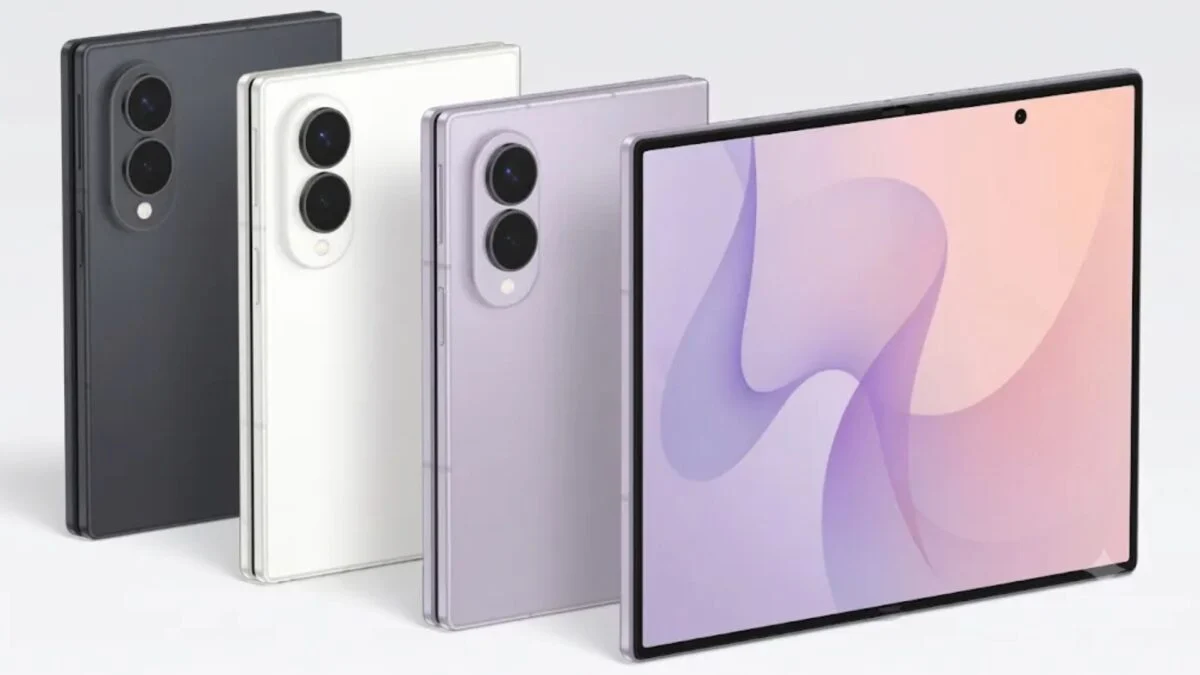
If confirmed, the increase would represent a significant competitive benefit for Samsung at a time when Apple had been expected to challenge its position in the premium foldable market.
Samsung is also understood to be working on its next generation of foldable smartphones for 2027, with further improvements to display technology, hinge design and the overall form factor expected.
Apple, meanwhile, faces the challenge of reassuring consumers that the reported defects affecting early Duo units are being addressed.
The company has reportedly offered free replacements for devices affected by inner-screen cracking and casing-gap problems, including eligible customers without AppleCare+ coverage.
However, the extent of the defects, the number of devices affected and the impact on Apple’s overall foldable sales remain unclear.
For Samsung, the timing could hardly be better.
After years of competing against Apple’s conventional iPhone models, the Korean manufacturer now has an opportunity to capitalise on the problems surrounding its rival’s first foldable.
And for the scalpers who gambled that Apple’s latest smartphone would deliver a quick financial windfall, the experience is proving to be an expensive lesson.
Instead of making a killing on Apple’s first foldable iPhone, some are discovering that the only thing collapsing faster than resale prices is confidence in their investment.