Tablet Market Crashes 23% As Apple And Samsung Sales Tumble
 Dominic Bayley
06 Nov 2026
The global tablet market has slumped to its lowest level in nearly three years, with shipments falling 23% in the third quarter of 2026 as component shortages and weak consumer demand hit major manufacturers.
New figures from market research firm Omdia reveal that worldwide tablet shipments dropped to 32 million units during the quarter, following a 10% decline in the previous three months.
The Middle East, China and Western Europe experienced the sharpest downturns, with manufacturers struggling to maintain sales momentum despite a wave of new product launches.
Omdia Research Manager Himani Mukka warned that worsening supply constraints are forcing technology companies to shift their priorities away from tablets.
With component availability expected to tighten further next year, the research firm does not anticipate a meaningful recovery until at least 2028.
Apple maintained its position as the world’s leading tablet manufacturer, although shipments plunged 28% compared with the same period last year.
Its global market share declined from 38.2% to 36%, suggesting even the popularity of the iPad has not been enough to shield the company from the broader downturn.
Samsung retained second place with 5.4 million tablets shipped, representing a 22% decline and a 16.9% market share.
The South Korean company continued to face pressure from component shortages despite introducing new models, including its flagship Galaxy Tab S12 series.
Lenovo was the only manufacturer among the top five to record growth, with shipments rising 12% to 4.1 million units.
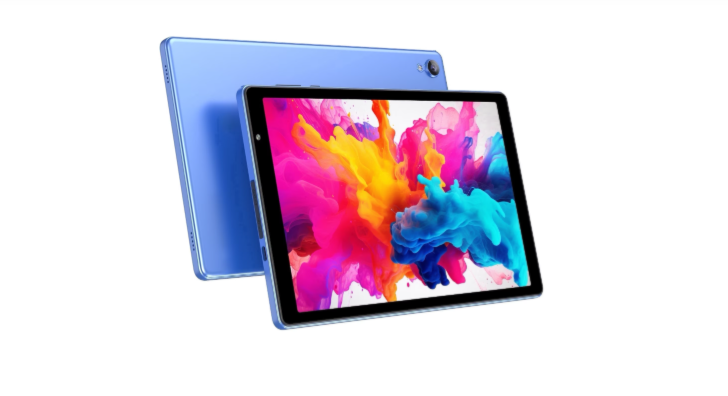
Its market share increased significantly from 8.7% to 12.7%, driven largely by stronger demand for traditional slate tablets rather than detachable models.
Xiaomi secured fourth position with 2.3 million shipments, down 11%, although its market share edged higher to 7.3%.
Huawei rounded out the top five, suffering the steepest decline among leading manufacturers as shipments plunged 43% to 1.8 million units.
The disappointing results come despite several high-profile tablet launches, including Apple’s new OLED iPad mini, Xiaomi’s Pad 9 series and new devices from Huawei, Honor, OnePlus and Realme.
However, Omdia says the latest products have done little to encourage consumers to upgrade.
Persistent component shortages are restricting manufacturers’ ability to introduce substantial hardware improvements, leaving many new tablets offering relatively modest changes over their predecessors.
As a result, consumers are increasingly choosing to keep their existing devices rather than spend money on upgrades that offer limited benefits.
With supply pressures expected to continue into 2027, the tablet industry could face another difficult year before demand begins to recover.