EXCLUSIVE: Appliance Brand Dreame Under Siege: Unpaid Suppliers, Chinese State Scrutiny And A Retreat From 200 Businesses To Four
 David Richards
06 Nov 2026
Chinese robot vacuum maker Dreame is facing mounting financial pressure, angry suppliers and the attention of Beijing over its heavy use of local government money, as the company that promised a “hundred-trillion-dollar” ecosystem abandons most of its ventures and its outspoken founder falls silent.
Suppliers have gathered at Dreame’s Suzhou office demanding overdue payments, according to reports out of China, while the company has slashed more than 200 business units down to four core sectors and shed thousands of staff since June.
At the same time, its core robot vacuum business is under pressure, with research group IDC disputing Dreame’s claims to be the world’s number one seller and Chinese consumers lodging more complaints against the brand than against its larger rivals.
Insiders say the company’s core problem is not product, but money: its borrowings, its reliance on state-backed funding and the scrutiny that funding has now attracted from China’s central government.
The founder became known as China’s “crazy boss” after a string of online stunts.
Yu Hao, 39, from Jiangsu province in Eastern China, founded Dreame Technology, in 2017, Dreame grew rapidly on money borrowed from Chinese state governments, now the Company is in reverse gear dumping categories with limited commercial borrowing capability.
Funded By Local Governments
Dreame has partnerships with 17 local government-backed funds and has become heavily reliant on state-backed local capital to fund its expansion.
According to The Wire China, Dreame and its founder are now at the centre of a storm that has drawn the attention of the Chinese Communist Party, because the company has funded its projects with large amounts of public money. The case has shed light on local government investment practices that are a growing concern for Xi Jinping’s administration.
Local governments became increasingly concerned about Dreame’s operations during April and May 2026. A document circulating in China shows that the economic planner in Changzhou requested a survey of all local firms cooperating with Dreame.
A Dreame executive has admitted the company received numerous inquiries from government agencies, banks and business partners in recent weeks.
Eurasia Group’s Dan Wang said Beijing is reining in the co-investment model that local authorities have relied on heavily in recent years to lure businesses into their regions.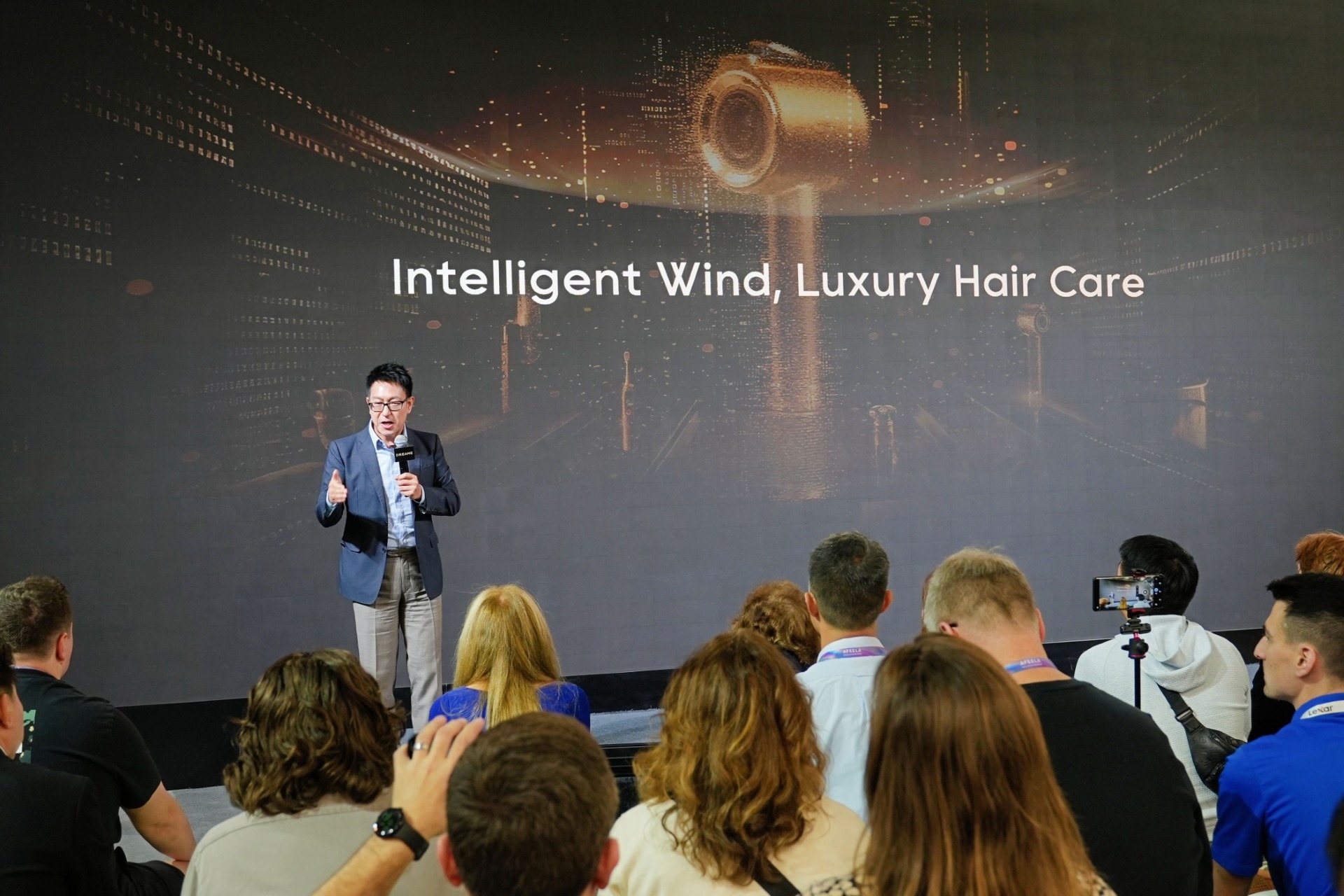
One former employee told The Wire China it was easier for Dreame to raise money from local governments than from institutional investors, a dynamic that has raised concerns within the Party.
From “Boundaryless” To Four Sectors
The financial strain follows one of the most aggressive diversification drives seen in China’s consumer technology sector.
In 2025, Dreame announced a “boundaryless” strategy, expanding into more than 200 business units spanning cars, smartphones and chips, and even unrelated sectors including tea and clothing.
That strategy went into sharp reverse from around June 2026. Multiple reports indicate Dreame began a massive contraction, cutting its business units to four core sectors: smart home cleaning, smart appliances, smart mobility and embodied AI.
Thousands of employees left or were laid off between June and August 2026, according to reports.
At Summer Davos, founder and CEO Yu Hao told attendees the company would narrow its focus to smart homes, yard care, smart transportation and embodied AI.
ChannelNews has previously revealed exclusively that Dreame has pulled out of security cameras and smart home technology, leaving millions of dollars worth of product sitting in warehouses, including stock in Australia and New Zealand.
That retreat comes less than a year after Dreame used CES in January to present its smart home portfolio as a unified “Whole-Home Smart Ecosystem”, with residential security, including smart locks and lighting, described as a foundational pillar.
It was subsequently revealed that a flaw in Dreame’s app allowed network administrators to impersonate Dreame’s own servers and intercept user data.
The Founder Goes Quiet
Yu Hao is believed to have been silenced by Chinese authorities in recent weeks.
Earlier this year his Weibo account was suspended after a company reported it for posting content that questioned and disparaged other enterprises through public “call-outs” and similar formats. His account was subsequently ordered suspended across multiple platforms.
An investment fund source told Caixin that Yu’s high-profile persona began to backfire in 2026.
It was Yu who, at a major event in San Francisco attended by Australian journalists flown there as guests of Dreame, set out a vision to build a “hundred-trillion-dollar” ecosystem spanning household appliances, cars, semiconductors and satellites.
The “Rocket Car”
The centrepiece of that event was the Nebula NEXT 01 “Jet Edition”, unveiled on 27 April.
Dreame marketed the car with a pair of rocket engines theoretically capable of 0 to 60mph in 0.9 seconds, a sulfide-based solid-state battery exceeding 450Wh/kg and a claimed range of more than 550km.
The car turned out to be a publicity stunt, a “red herring” designed to draw attention to Dreame’s three-day technology expo.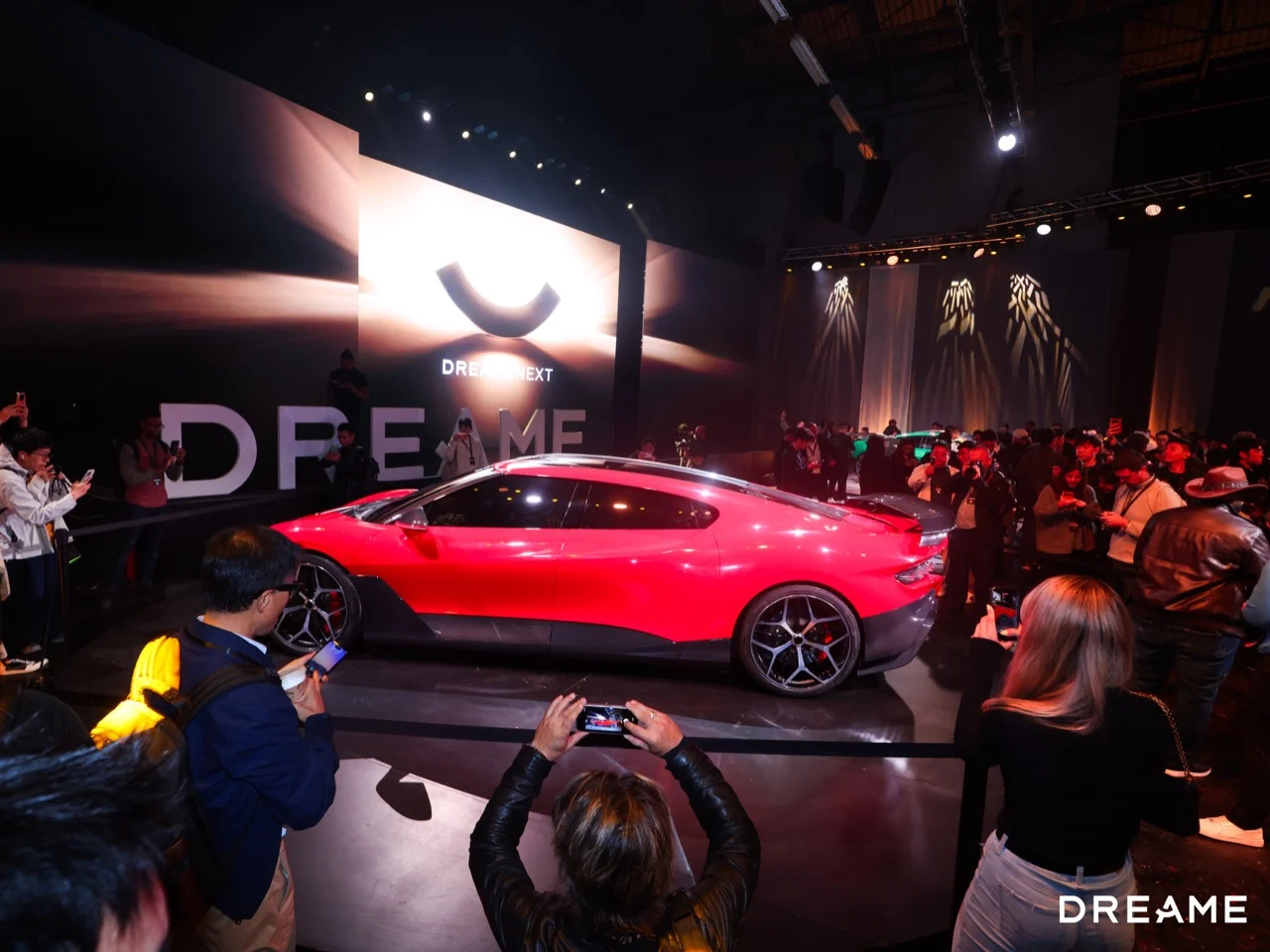
Chinese state media were unconvinced. China Economy, a state-owned outlet, quoted former employees who claimed the Dreame supercar lacked a chassis and was moved around by remote control. The San Francisco car was reportedly bought from a Shanghai model-making company for several million yuan and dressed up with cosmetic changes.
The expo also drew criticism over its line-up of presenters. Robert Scoble’s appearance as a Dreame influencer and keynote speaker at the company’s global conference attracted backlash due to past allegations of sexual misconduct against him.
The car stunt sits awkwardly alongside Dreame’s local ambitions. In March, CMO Ma Long said “Australia and New Zealand are a key strategic priority for Dreame’s automotive ambition”, with a launch planned here in 2027.
Number One Claims Disputed
Even in robot vacuums, the category that built the company, Dreame’s position is weaker than its marketing suggests.
In Australia, the company has claimed to be number one in its categories. When challenged, references to IDC data were withdrawn and the company instead claimed to be number one globally. That claim was based on a single month’s result that followed heavy discounting to clear stock.
According to IDC, the top two robot vacuum companies are Roborock and Ecovacs, with Dreame an occasional third. Chinese brands account for more than half the market, IDC said.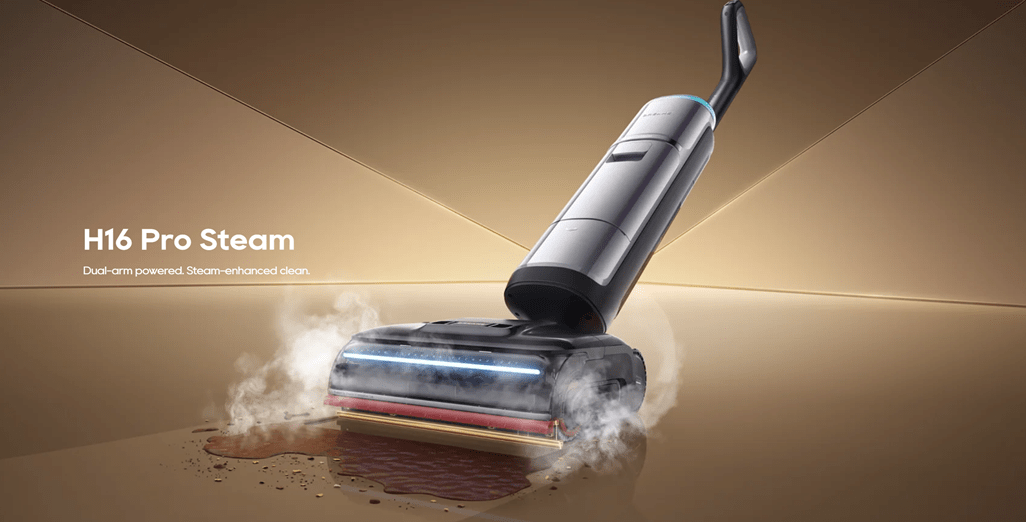
Roborock is the clear leader. It took a 23% share of global sales in 2025, shipping 5.61 million units, up 62.9% year on year. IDC ranked it number one globally by both units and sales value for the first half of 2026. Roborock holds a 45% share in Europe and 33% in North America, and shares the number one position in Australia with Ecovacs.
Ecovacs leads in China and has used its offline retail strength to hold its international share steady at 14.1%.
Quality Complaints
Dreame has also faced negative publicity in China over product quality and after-sales service.
Media reports from 2025 and 2026 highlighted consumer complaints about high-end models repeatedly malfunctioning shortly after purchase, including failing to return to their base stations and navigation faults. Customers reported being caught in a cycle of repairs rather than receiving replacements.
Data cited in one report showed Dreame had the highest number of complaints on the Black Cat consumer complaints platform among China’s top three robot vacuum brands, despite having the smallest market share of the three at the time.
Pattern Of Over-Reach
Observers say public reporting on Dreame in China points to a consistent pattern: rapid over-expansion followed by sharp contraction, financial strain and product quality problems.
For Australian retailers and consumers, the questions are now practical ones: what happens to the security and smart home products already sold here, how long Dreame will support them, and whether a company retreating to four business lines and under the scrutiny of Beijing can deliver on its promises in this market.