Pressure Mounts to Extend New Price Gouging Laws After Supermarkets Singled Out Despite No Evidence
 David Richards
02 Jul 2026
David Richards
02 Jul 2026
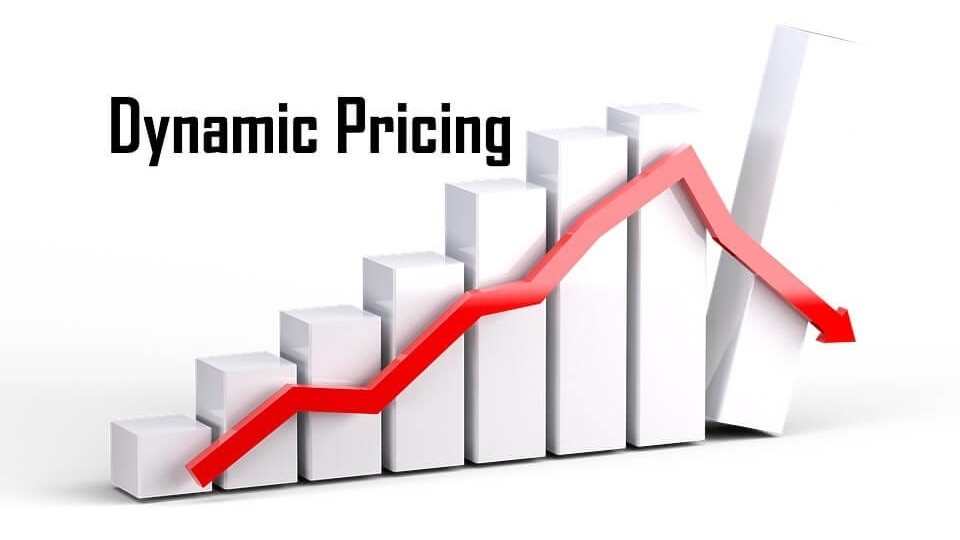
Retail and consumer groups are calling for new excessive pricing laws targeting Coles and Woolworths to be extended to major electronics, appliance and hardware retailers, as well as airlines, hotels and rideshare operators, amid claims the current laws unfairly single out the two supermarket giants while ignoring sectors with a longer history of dynamic pricing.
The laws, which came into effect yesterday and are enforced by the Australian Competition and Consumer Commission, prohibit excessive pricing at supermarket retailers with annual revenue above $30 billion, a threshold that currently captures only Coles and Woolworths.
Retailers including Harvey Norman, The Good Guys, JB Hi-Fi, Big W, Bunnings, Kmart and Aldi have tracked competitor pricing on an hourly basis for decades, adjusting largely to match discounts, according to retail industry sources.
Some industry figures argue this same scrutiny should now be applied to consumer electronics, appliance and hardware retailers, which frequently change pricing within a single day.
No Evidence of Price Gouging
The ACCC has cited no evidence of price gouging by Coles or Woolworths in introducing the laws, with critics describing the move as symbolic rather than substantive.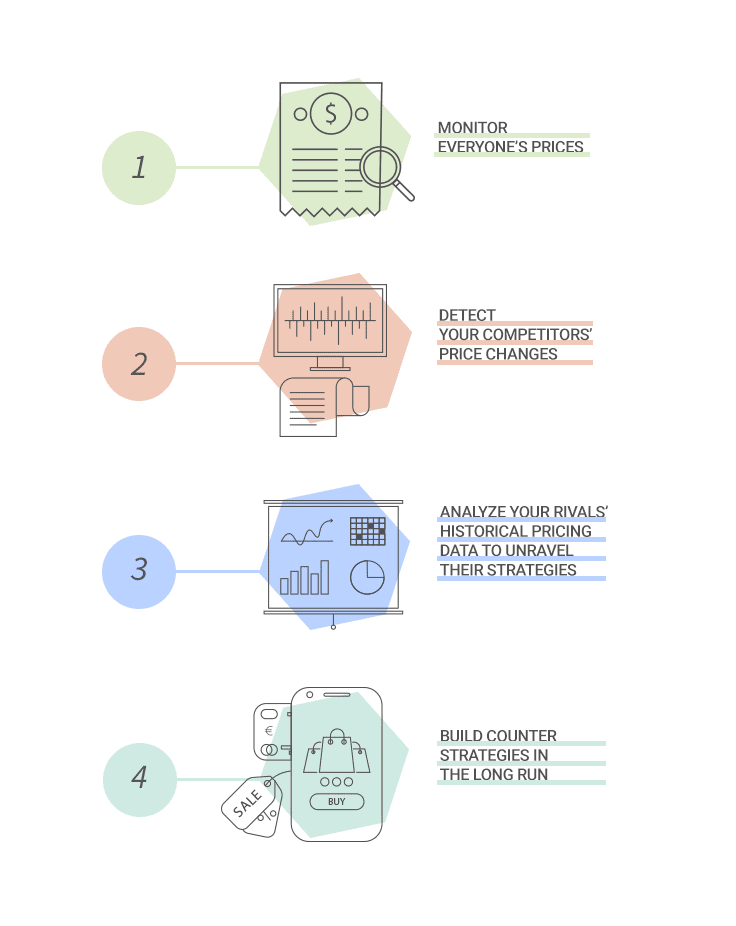
Airlines, Hotels and Uber Named as Bigger Users of Dynamic Pricing
Critics of the new regime argue that airlines and hotels operating in Australia sit at the front line of dynamic pricing in this country, with both sectors accused for several years of adjusting prices based on demand and availability rather than fixed rates.
Airline fares and hotel room rates are widely understood to move constantly according to booking dates, occupancy levels and how close a customer is booking to their travel or stay date, yet neither sector falls under the new excessive pricing prohibition.
Rideshare platforms have also been raised as a more obvious example of real time pricing in action.
Uber’s surge pricing model, which lifts fares during periods of high rider demand, is held up by critics as a direct example of the type of technology the government is now moving to prevent supermarkets from using, while leaving rideshare operators untouched.
More broadly, dynamic pricing refers to a strategy where a business adjusts the price of a product or service in real time, or near real time, rather than holding to one fixed price. Prices can move based on a range of factors, including:
- Demand levels, where prices rise during periods of high demand and fall when demand is weak
Supply and inventory, where limited stock pushes prices up and excess stock triggers discounts
Time, where prices shift by the hour, day or season
Competitor pricing, where automated systems track rival prices and adjust to stay competitive
Customer behaviour data, including browsing history, purchase patterns and in some cases device type
Software companies in the United States have been selling retailers systems built specifically to implement this kind of pricing, a practice critics say is emerging in Australia under softer labels such as “personalised pricing.”
Academic Says Laws Should Go Further
Lisa Asher, from the University of Sydney Business School, told Yahoo Finance the laws would help protect Australian consumers from a rise in personalised dynamic pricing already established in overseas markets, and said she would support extending the regime further.
Asher pointed to the growing use of electronic shelf labels in supermarkets as a mechanism that could enable real time price changes based on demand, weather or consumer data.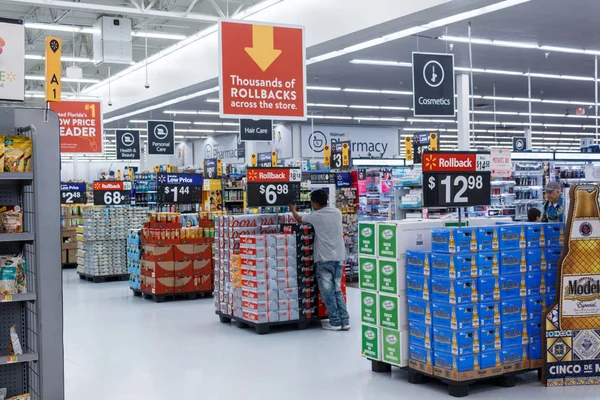
She said this created the potential for online style surge pricing to move into physical stores, giving the example of cold drink prices rising on a hot day or umbrella prices rising in the rain. She did not provide evidence of dynamic pricing currently occurring in any Australian retail stores.
Retail insiders who spoke to ChannelNews disputed the characterisation, saying pricing technology in use across major retailers is typically used to track competitors and apply discounts rather than raise prices.
“It’s exploiting the fact that a certain shopper may be able to pay more for something, therefore they are charged more when the nominal cost of providing the good has not changed, but the profit is then increased,” Asher said.
Wesfarmers Retailers Not Covered
Asher said the new laws would shield consumers from price surging at Coles and Woolworths but would not apply to Wesfarmers owned retailers such as Bunnings, Kmart and Officeworks, or to Amazon.
She argued that if Wesfarmers divisions selling grocery style items were assessed individually, they would meet the revenue threshold that applies to Coles and Woolworths under the new laws.
In the United States, retail unions have pushed to ban electronic shelf labels in major grocery chains over concerns that combining the technology with facial recognition and AI could enable more targeted pricing based on individual shoppers.