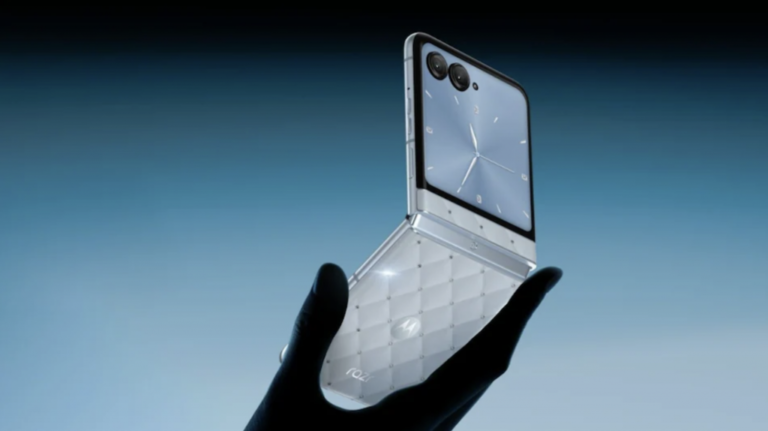
Premium Set To Drive Mobile Market In 2026 As Bottom End Brands HMD, Motorola & House Brands Face Problems
 David Richards
29 Jan 2026
David Richards
29 Jan 2026
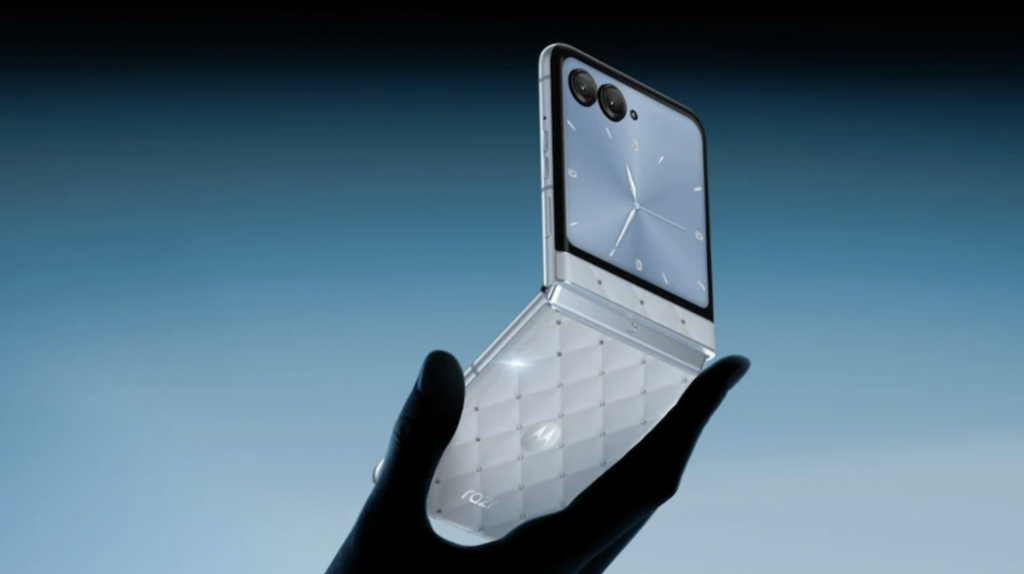
As Motorola ramps up efforts to push into Australia’s premium smartphone market after years focused on low-cost devices, pressure is mounting on the value segment. Industry data suggests that 2026 will increasingly favour premium smartphones, where higher average selling prices (ASPs) are delivering stronger returns for retailers compared with budget models.
Major players including Apple, Samsung, Google and Oppo are already benefiting from this shift. In contrast, the value end of the market—where Motorola derives more than 80% of its sales—is expected to come under significant strain.
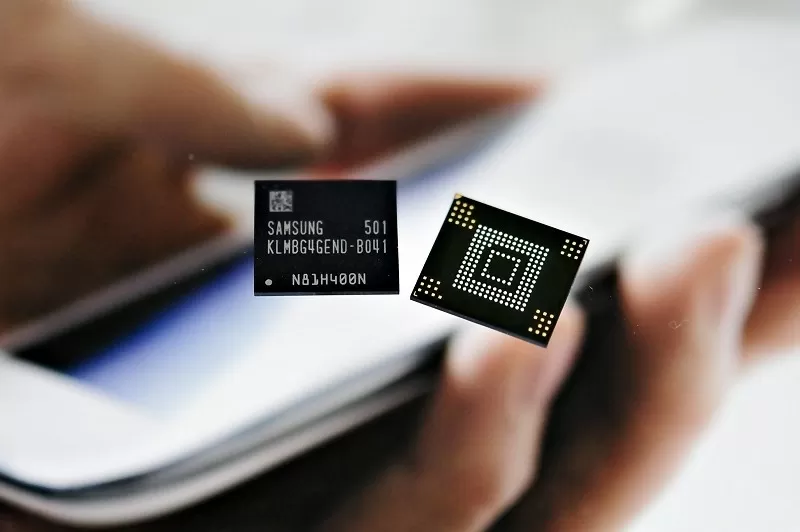
New research indicates the global smartphone market is set to decline by around 7% in 2026, driven largely by a looming memory shortage that is pushing up manufacturing costs. Samsung, which is both a leading smartphone brand and a major memory supplier, is emerging as a key beneficiary of this disruption.
Samsung has reportedly raised memory prices by as much as 80%, creating challenges for rivals such as Apple, which is now facing higher component costs ahead of its 2026 iPhone launches. According to industry sources, Samsung’s LPDDR DRAM pricing to Apple has jumped sharply since late 2025, while SK Hynix has increased its DRAM prices by as much as 100%.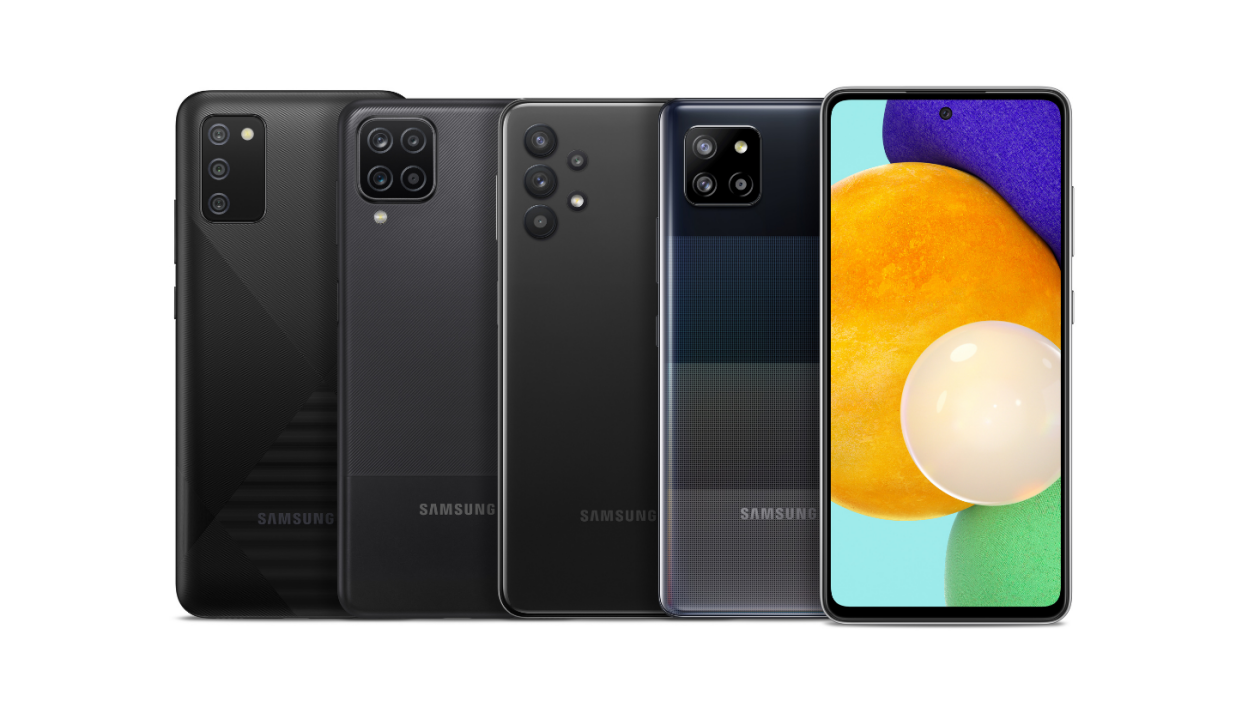
While Apple has historically cushioned itself from component price rises through long-term supply agreements, recent reports suggest its current deal with Samsung only locks in DRAM pricing for the first half of the year. As a result, the upcoming iPhone 18 series and other Apple devices are expected to carry higher retail prices.
Motorola executives have told ChannelNews that they see opportunity in targeting Samsung at the premium end of the market. However, Samsung’s vertical integration—particularly its control over memory production—gives it a significant competitive advantage as shortages intensify.
Another problem for the Chinese smartphone brand is that they have been plagued with memory problems in the past in their value phone range.
A visit online reveals that there are multiple complaints from Motorola phone users who commonly encounter memory (storage) and performance (RAM) problems, often resulting in slow app performance, crashes, or “storage full” alerts.
Observers claim that this is often caused through the use of low cost memory use and then loading a device up with apps, bloatware and demands on processors and memory in an effort to keep costs down.
Motorola errors include “Storage full “due to poor or low internal storage which cause Motorola devices device to become unresponsive, slow, or unable to take photos.
High RAM Usage/Lag: Apps might load slowly or crash, often reported on newer models like the Moto Edge 60 or 50, where RAM utilization appears high.
Other problems are system partition Full alerts which may require a factory reset to fix.
Counterpoint Research expects one in three smartphones sold globally in 2026 to be premium devices, a segment dominated by Samsung and Apple. The research firm also forecasts that flagship smartphone system-on-chip (SoC) designs will transition from 3nm to 2nm manufacturing nodes next year, led by Samsung’s Exynos 2600.
Samsung announced the world’s first 2nm smartphone SoC in December 2025, marking a major milestone in advanced semiconductor manufacturing. Google and Samsung, both of which invest heavily in in-house chip development, are viewed as better positioned to manage rising costs than brands reliant on third-party suppliers.
For Australian retailers such as JB Hi-Fi, The Good Guys and Harvey Norman, the outlook is mixed. While premium smartphones are delivering higher margins, overall unit sales are expected to fall, with the steepest declines occurring in the value segment.
Adding to competitive pressure is Oppo, which this week launched new devices including the OPPO Reno15 Pro 5G and OPPO Reno15 F 5G. These models are expected to challenge Samsung’s A Series and Motorola’s mid-range offerings.
Counterpoint Research warns that rising memory prices will hit sub-A$250 smartphones hardest, as suppliers increasingly prioritise high-margin high-bandwidth memory (HBM) production for data centres. This shift is expected to ripple through the lower end of the smartphone market, impacting brands such as Motorola, HMD Global, Nothing and other Chinese manufacturers.
“As overall smartphone SoC shipments decline in 2026, the market continues to move up the value curve,” said Counterpoint Research Senior Analyst Shivani Parashar. “Premiumisation remains a clear trend, with nearly one in three smartphones expected to be priced above A$750.”
A full recovery in smartphone shipments is unlikely before 2027, as manufacturers streamline product portfolios and explore cloud-based processing to offset rising component costs.
Despite near-term shipment pressures, Counterpoint expects the smartphone SoC market to deliver double-digit revenue growth in 2026, driven by premiumisation, higher memory prices and rapid adoption of AI-enabled features.
By 2026, peak on-device AI performance is forecast to reach around 100 TOPS, with nearly 90% of premium smartphones supporting on-device AI. In contrast, many mid-range devices priced between $100 and $500 are expected to rely more heavily on cloud-based AI processing to control costs.
While Apple and Qualcomm are expected to benefit most from the premiumisation trend, MediaTek is also stepping up competition in the Android market. Samsung, meanwhile, is seeing increased premium adoption aligned with its transition to 2nm technology for the upcoming Galaxy S26 series.
Further memory price increases and softness in mature markets are expected to cap long-term shipment growth. However, the rapid rollout of generative AI capabilities is continuing to push device ASPs higher, reinforcing the industry’s shift toward premium smartphones.