Panasonic Turns To AI Robots To Pull Apart Old Appliances
 Joe Gallop
29 Jun 2026
Joe Gallop
29 Jun 2026
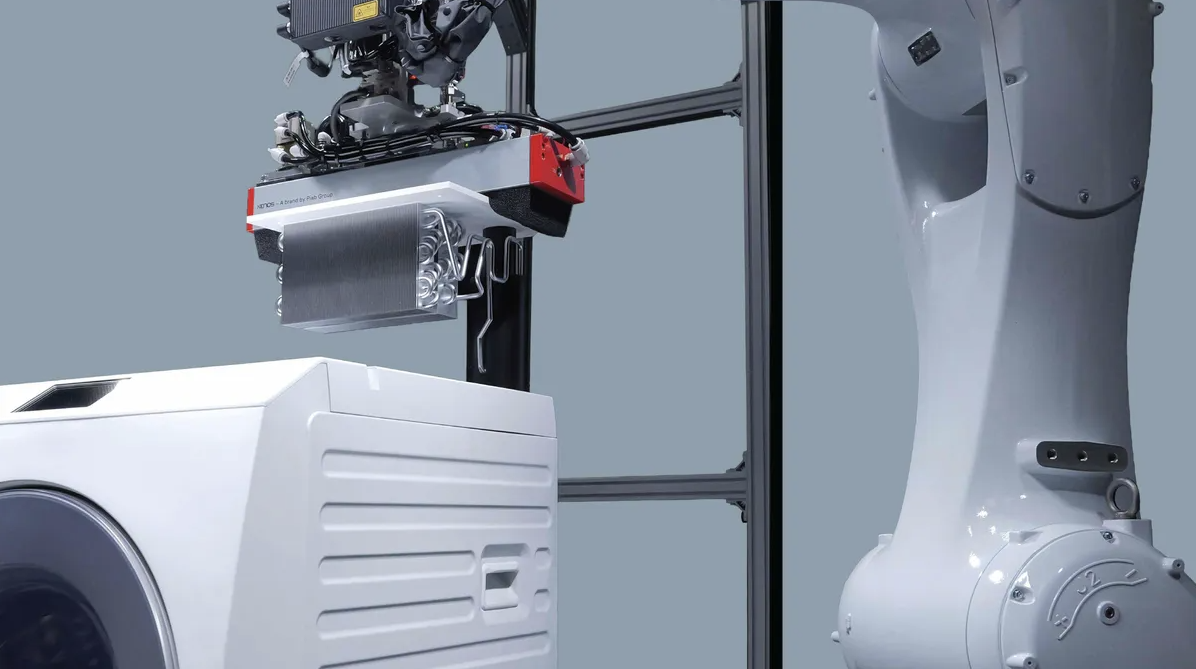
Panasonic is using AI-powered robots to tackle one of the appliance industry’s toughest challenges of taking old products apart so materials and components can be reused.
The Japanese electronics and appliance giant is developing a ‘Disassembly CPS’, or cyber-physical system, which uses 3D CAD data, AI, sensors and robotics to simulate and optimise the dismantling of appliances before robots carry out the work.
The system is designed to separate metals, plastics, wiring and valuable components more precisely than traditional recycling methods, while feeding those lessons back into future appliance design.
Panasonic says the approach could improve both recycling and repairability, with product teams able to identify where screws, adhesives, connectors or poor access points make appliances harder to service or dismantle.
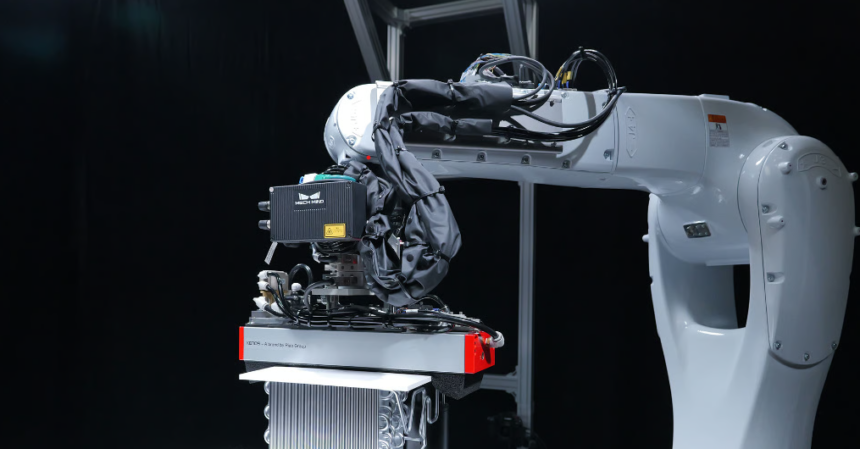
The company is programming six-axis robots to disassemble products including air conditioners, microwave ovens and washing machines. The robots use tools such as magnetic grippers, screwdrivers and cutting end-effectors to remove covers, fasteners, wiring and components.
Machine vision and AI are used to identify screws even on dirty or rusted appliances, allowing the robot arm to position tools and remove parts more accurately.
The work sits alongside Panasonic Connect’s broader robotics push. In Japan, the company has already launched Robo Sync, a robot control platform designed to let factory workers operate robots from multiple manufacturers through a single interface, using visual programming rather than specialist coding skills.
Panasonic says Robo Sync has already been deployed across six Panasonic Group production facilities, including for touch panel inspection and consumer product label application.

That broader strategy matters because appliance recycling and repair will only scale if robots can be deployed more easily, not just in highly specialised factories.
Panasonic says its circular economy work is aimed at reducing reliance on virgin raw materials and recovering high-value materials such as copper, cobalt, nickel and rare earth metals.
The repair benefits could be just as important. Panasonic has already redesigned the placement of heat pumps in some washing machines, moving the component from the bottom to the top of the unit. The change made the part easier to access and reportedly cut repair time by 50%.
Panasonic is targeting practical implementation of its Disassembly CPS in fiscal 2028.
If the system scales, it could reshape how appliances are designed, serviced and recycled, particularly as retailers and manufacturers face growing pressure to keep products and materials out of landfill.