Oreo Maker Mondelēz Sues Aldi US Over Alleged Copycat Packaging of Famous Snack Brands
 Isabella Alexiou
05 Jun 2025
Isabella Alexiou
05 Jun 2025
Mondelēz International, the corporation behind Oreo cookies, has filed a lawsuit against discount supermarket chain Aldi in the United States, accusing the retailer of “blatantly” copying the packaging of its famous snack products.
The legal action, submitted in May, alleges that Aldi uses similar packaging designed to “deceive” consumers and “ride the coattails” of Mondelēz’s brand recognition and prestige.
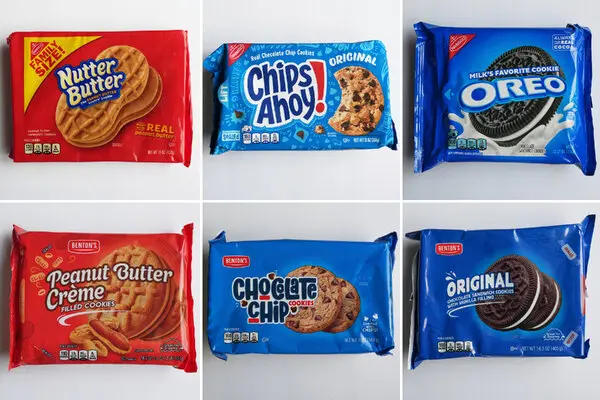
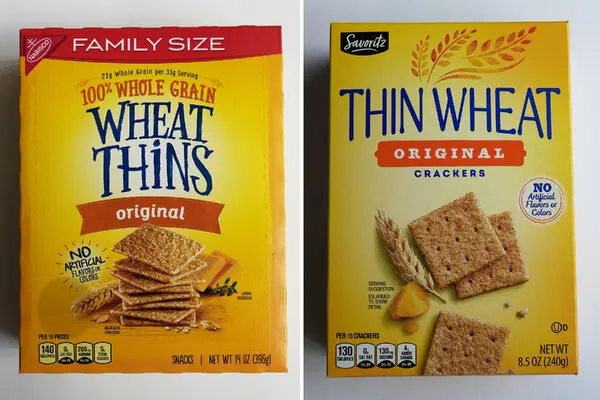
The lawsuit targets Aldi’s discount versions of multiple Mondelēz products including Oreo, Wheat Thins, Nutter Butter, Chips Ahoy!, and Ritz crackers.
Court documents reveal that Mondelēz had previously contacted Aldi multiple times regarding the “confusing similar packaging” before pursuing legal action.
While Aldi discounted or modified some product packaging in response, the company allegedly continued producing what Mondelēz considers “unacceptable copies.”
The lawsuit includes side-by-side photographic comparisons demonstrating similarities between Mondelēz products and Aldi’s private label alternatives.
Mondelēz argues that continued use of similar packaging will “irreparably harm” its brand value and consumer recognition.
Aldi faces charges of trademark infringement, unfair competition, and unjust enrichment, with Mondelēz seeking financial damages.
The snack giant described Aldi’s business model as relying on “low-priced private label products that resemble the look and feel of well-known brands.”
Aldi US, which operates over 2,500 stores nationwide, did not respond to requests for comment regarding the lawsuit.
The German-headquartered discount retailer is known for offering affordable alternatives to name-brand products as part of its core business strategy.
Aldi UK emphasised that while sharing common ownership with Aldi US, the companies “operate as completely separate businesses” and are not involved in the American legal proceedings.
This legal challenge represents the latest trademark dispute involving Aldi’s private label practices.
Earlier this year, the retailer lost a case against UK cider producer Thatchers, which successfully argued that Aldi had copied its product’s “taste and appearance.”
The lawsuit highlights ongoing tensions between major brand manufacturers and discount retailers over private label packaging that closely resembles established products.
Such cases typically centre on whether packaging similarities constitute trademark infringement or represent legitimate competitive practices in the retail market.
The outcome could influence how discount retailers design private label products and establish precedents for acceptable similarity levels between store brands and national brands in competitive retail environments.