OPINION: Cracks In Federal Labor Polices Now Open Up As Costs Blow Out & Jim Chalmers Policies Tank Causing Problems For Retailers
 David Richards
28 Nov 2025
David Richards
28 Nov 2025
The cracks in Labor’s economic management are no longer hairline fractures — they’re widening fast. Australia has plunged into a $32.9 billion deficit just four months into the financial year, a stunning blow revealed by Treasurer Jim Chalmers on the final, frantic day of Parliament. The announcement lands only days after inflation unexpectedly surged to 3.8%, sending shockwaves through retailers bracing for Black Friday figures that may trigger even darker economic clouds in 2026.
The deficit — more than triple last year’s $10 billion full-year outcome — is already being labelled a red flashing warning light for a government losing control of its own spending machine.
At the centre of the blowout: an explosion in costs linked to public servants working from home. Labor’s promise that remote work would slash government expenses has backfired spectacularly, with staffing payments running $1.4 billion above forecast. Meanwhile, a wage push championed by the ACTU has propelled the federal salary bill to a whopping $10.4 billion, smashing through the Treasury’s expectations.
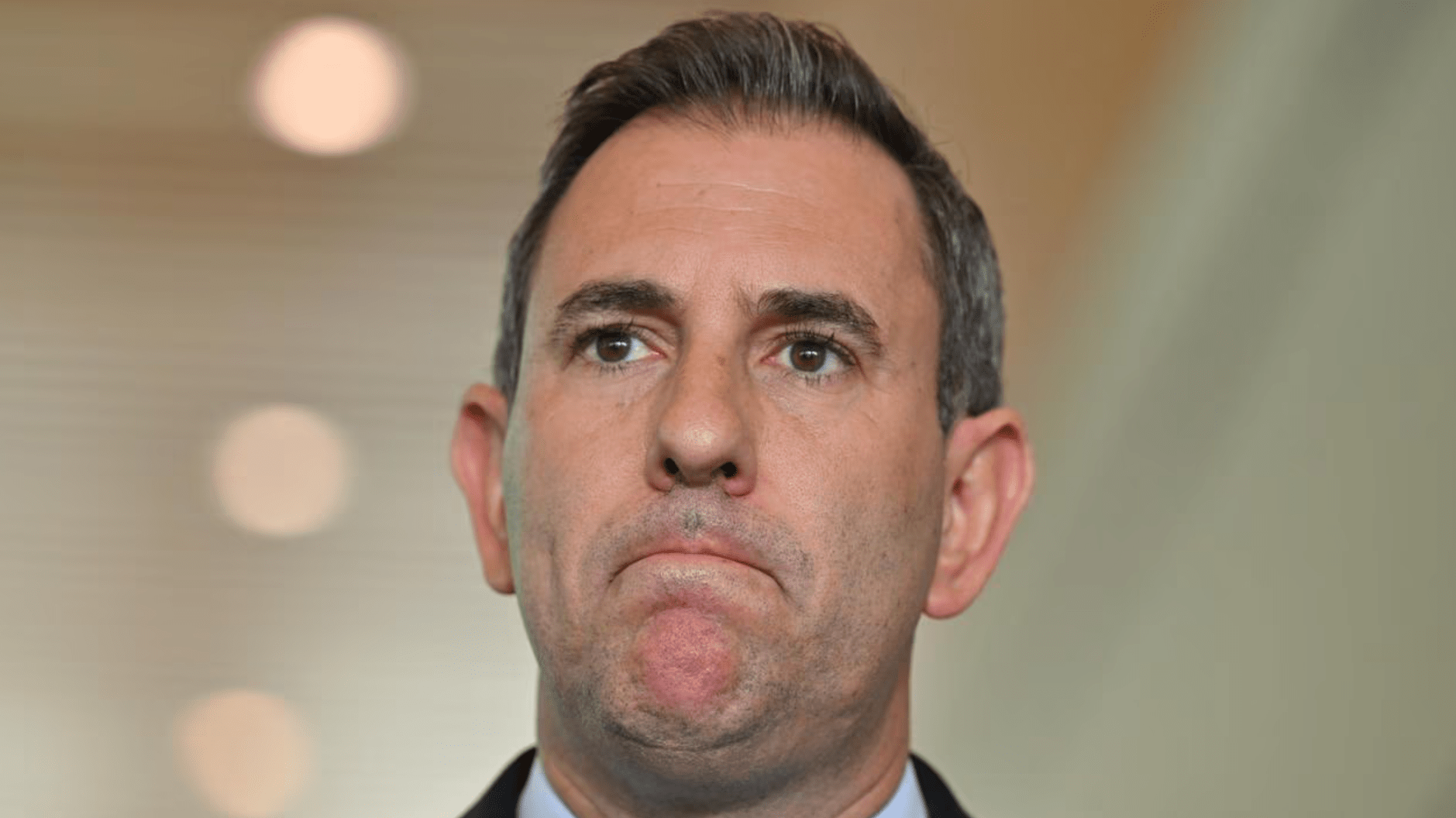
Federal Labor Treasurer Jim Chalmers
While public servants enjoy expanded work-from-home rights — with 61% now working remotely at least part-time — taxpayers are footing the ballooning bill. The savings from reduced office space, once touted as a silver bullet, remain a mystery, with the government refusing to reveal how much additional cash is being handed out for at-home arrangements.
And the remote-work revolution is spreading. In Victoria, Labor’s plan to grant employees a legal right to work from home two days a week has sent business leaders into open revolt. More than 80% of executives warn the move would shatter workplace culture, undermine customer service, and jeopardise long-term job security.
Meanwhile, federal revenues tell a story of stagnation. Individual taxes crept to $102.5 billion, barely above forecasts, while company tax collections slipped below expectations. With the economy cooling, every missed target matters.

AI set to replace workers
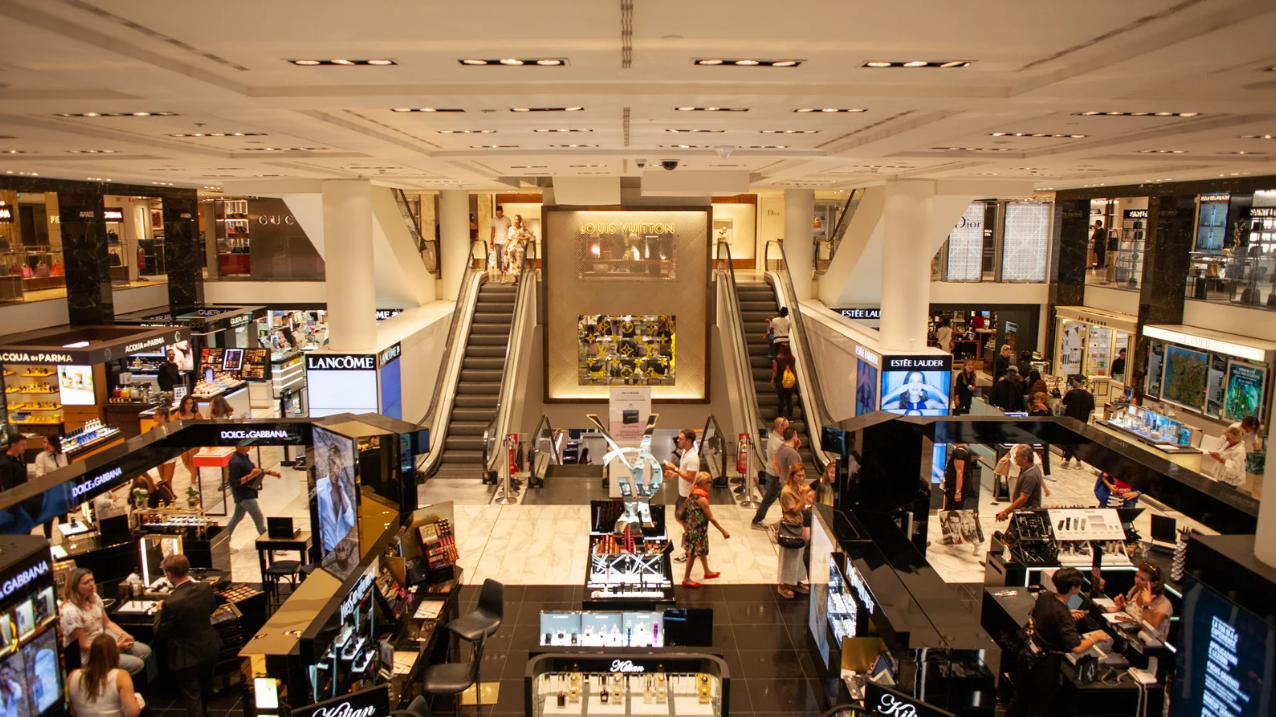
Retailers who have benefited from the government’s “Splash the Cash” stimulus programs are now unnerved by the inflation spike. With inflation already sitting at 3.8% even before Black Friday spending is counted, there are growing fears another jump is imminent. Economists have long warned that flooding the economy with subsidies during tight supply conditions risks throwing petrol on the inflation fire — and now those warnings appear prophetic.
Despite inheriting a strong economy and back-to-back surpluses, Labor has steered Australia back into deficit territory with alarming speed. Critics claim the government is stimulating demand with subsidies on one hand while the ACTU demands higher pay on the other — a cycle that risks fuelling inflation again and again.
Worse still, much of the surge in spending appears to be swallowed by bureaucracy rather than building productivity. At the same time, major global firms — HP, Microsoft, Amazon, Telstra, and the big banks — are wielding AI to cut staff. Economists warn 2026 could bring a wave of job losses if the trend accelerates.
Without deep structural reform — from deregulation to investment incentives — simply throwing money at the economy won’t lift long-term growth. The University of Melbourne notes that unfocused fiscal injections can send billions into political projects or social programs rather than into high-return investment, creating a dangerous dependency on government spending.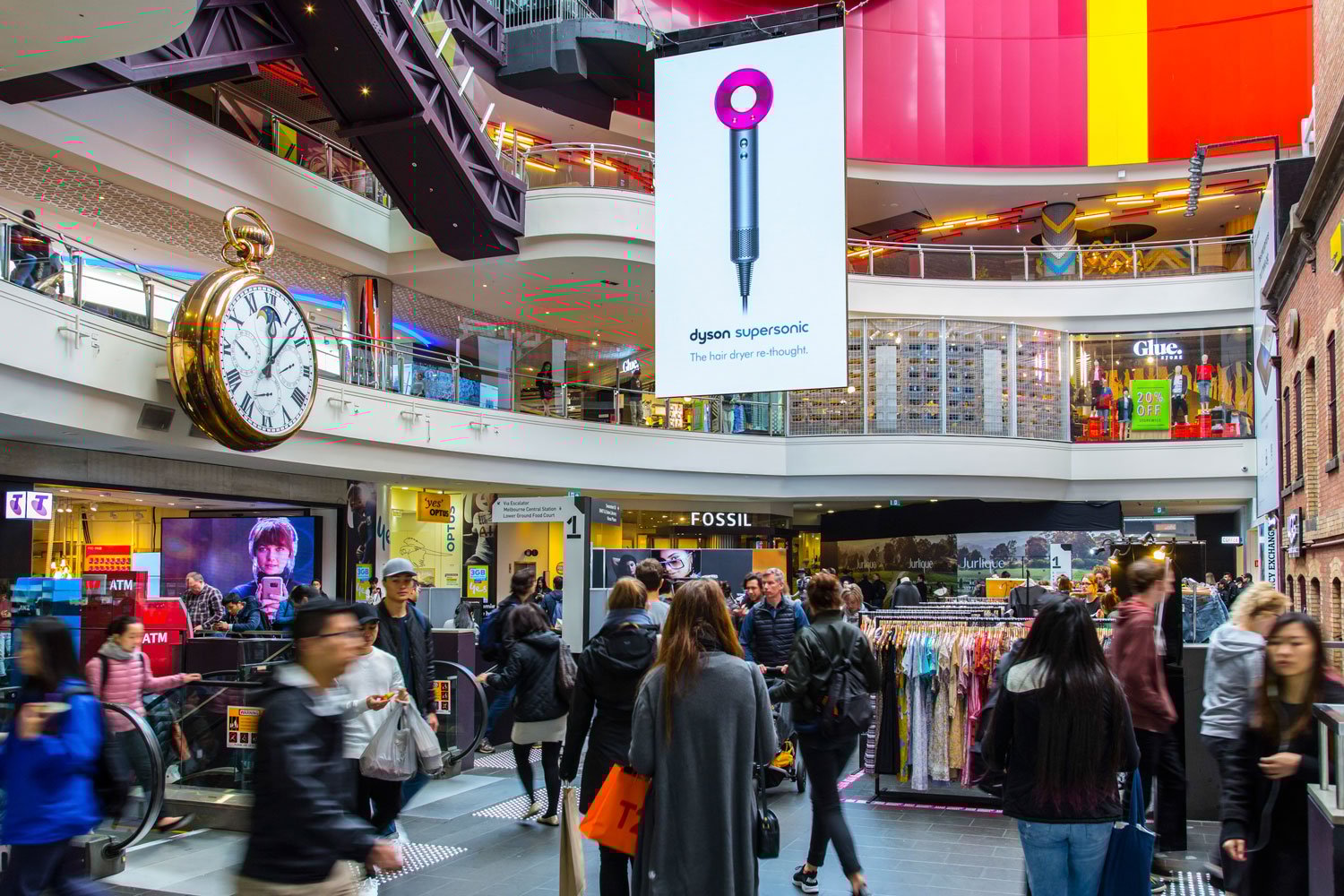
Labor’s short-term fixes may soothe immediate pressures, critics say, but the long-term consequences are beginning to gather like storm clouds. Persistent deficits. Rising debt. Inflation refusing to die.
News Corp outlets now warn that 2026 will be a make-or-break year for Treasurer Chalmers. Having promised voters earlier in the year that inflation was dropping faster than expected — and would soon settle back into the RBA’s 2–3% target band — he now faces accusations of misleading the public or relying on flawed Treasury forecasts.
The surpluses he once celebrated — buoyed by extraordinary post-pandemic tax windfalls, booming commodity prices, and record migration — have already vanished. What remains are deficits “as far as the eye can see,” and a government struggling to impose real spending discipline.
Economists say that unless Labor can finally rein in the bureaucracy and show genuine restraint, inflation will continue to stalk the economy — and interest rates will remain painfully high.
The battle, it seems, is no longer just against inflation.
It’s against time, credibility, and the consequences of decisions that can no longer be spun away.