New Vinyl Pressings Under Fire as Quality Declines Amid Soaring Demand
 Joe Gallop
23 Jul 2025
Joe Gallop
23 Jul 2025

The vinyl revival is showing no signs of slowing down but serious concerns are growing over the quality of new pressings, with both collectors and industry experts calling out widespread defects.
Despite soaring prices, many buyers are reporting warps, scratches and surface noise straight out of the shrink wrap.
Some collectors say they are returning nearly half the records they buy, including premium reissues and high-end audiophile editions.
According to Alexandra Plesa from Headphonesty, even revered labels like Deutsche Grammophon are not immune.
Audiophile reviewer Dave Denyer cites issues with the label’s Original Source series, noting repeated clicks during playback.

While replacements were offered, Denyer places the blame squarely on pressing plants: “Optimal is the pressing company; they are the ones that produced a substandard product.”
The root of the problem seems to be that vinyl pressing plants are cutting corners in their rush to meet rising demand.
Shortened cooling times after pressing can often lead to warping.
“Non-fill” defects, where grooves are not properly formed, are becoming increasingly common, producing harsh scraping sounds during playback.
Vinyl restoration expert Charles Kirmuss says the rush for faster turnaround and a lack of trained staff are major culprits: “You want to make one more record per hour? You take it out of the stamper too soon. That’s how you get warps.”
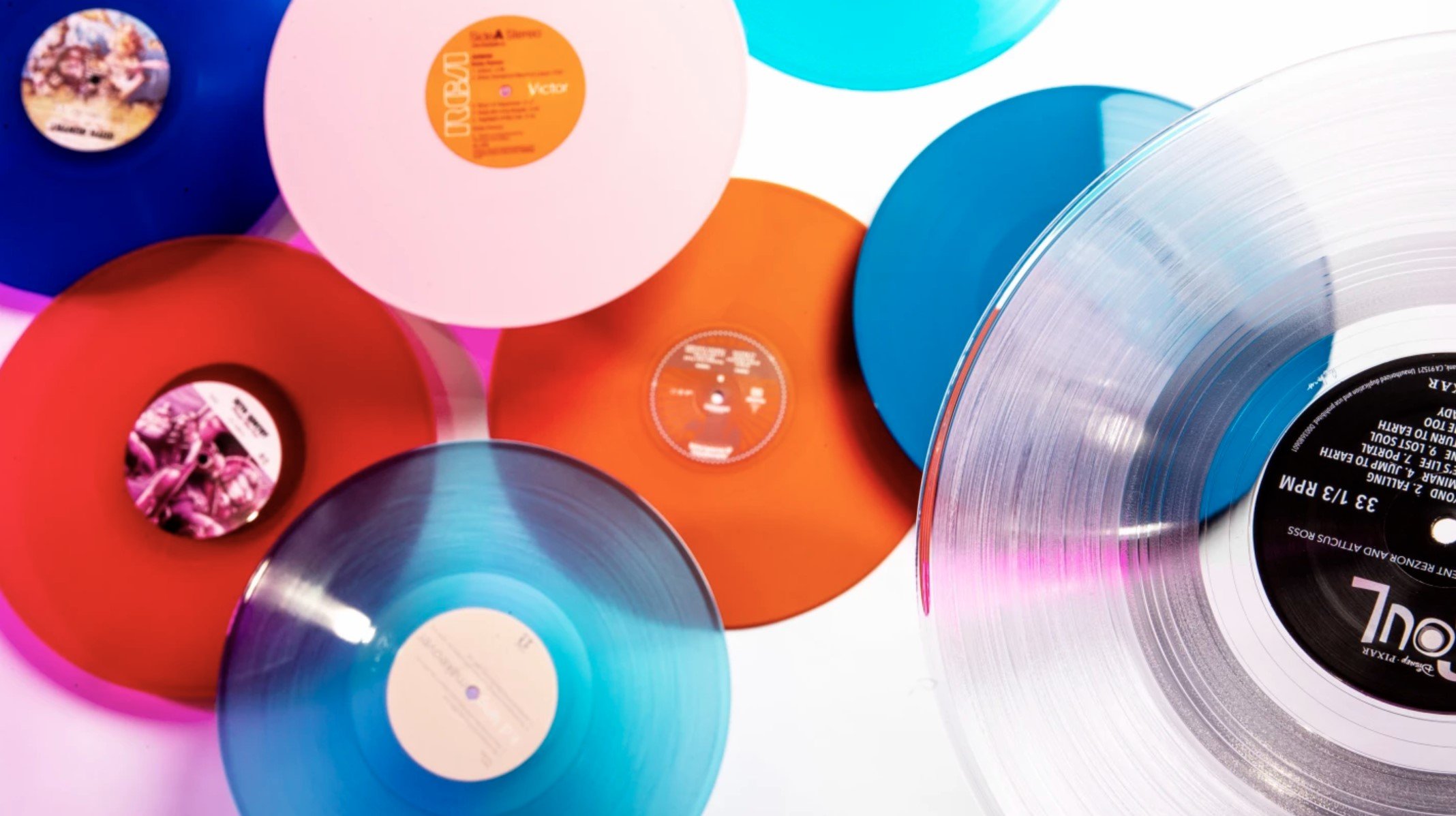
Even visually stunning coloured and recycled vinyl can mask flaws.
A Channel 33 RPM review of Billie Eilish’s eco-friendly LP slammed the noisy pressing despite its sustainable credentials.
Contrary to marketing claims, heavier 180g records do not guarantee better sound.
As UK-based collector blog New Vinyl Day notes, mastering and source material matter far more than thickness.
While standout series like Blue Note’s Tone Poet or Craft Recordings’ Small Batch still earn praise for high standards, many buyers are shifting to second-hand records, citing more consistent quality in decades-old pressings.
With PVC shortages, rising costs and limited pressing capacity straining the industry, experts say only a return to quality-first production will restore confidence.