Middle East War Adds Fresh Shock to BSH as Costs Surge and Demand Weakens
 David Richards
08 Apr 2026
David Richards
08 Apr 2026

BSH Home Appliances, the European giant behind Bosch, Gaggenau and Neff, is facing a rapidly intensifying financial squeeze as the escalating war in the Middle East compounds an already deteriorating market outlook.
Just weeks after warning of “difficult times” and a “challenging environment” driven by geopolitical tensions, the Bosch-owned manufacturer is now confronting a fresh wave of disruption—ranging from surging logistics and energy costs to weakening global demand and project cancellations in key markets such as Australia.
The conflict, which is disrupting critical shipping routes and driving up fuel and raw material prices, is expected to materially impact BSH Hausgeräte and other European appliance makers reliant on global supply chains routed through the Middle East.
Demand Shock Hits Australian Market
In Australia, the impact is already visible. Major retailers including Winnings, e&s and Harvey Norman Commercial are reporting a slowdown in commercial appliance orders, as builders pause or cancel projects amid rising construction costs and uncertainty around the economic outlook.
The hesitation reflects broader concerns across the building sector, where escalating material costs and volatile freight pricing—now exacerbated by the Middle East conflict—are forcing developers to reassess project viability.
BSH’s local performance had already been weakening prior to the conflict. Revenue from its Australian subsidiary fell from $506 million to $464 million in the 2023/24 financial year, with continued softness into 2025. The company has yet to file its latest Australian financials, underscoring ongoing pressure in the market.
Global Growth Stalls as Costs Rise
Globally, BSH reported turnover of approximately A$24 billion in 2025, but sales declined 1.6% year-on-year, highlighting a slowdown after post-pandemic growth—particularly in the US—began to fade.
CEO Dr. Matthias Metz had already struck a cautious tone before the outbreak of war, warning that “a real recovery of the markets is not foreseeable.” That outlook now appears increasingly pessimistic as geopolitical instability feeds directly into cost inflation and supply chain risk.
While Europe delivered modest growth of 1.2%, driven largely by a 4% rise in built-in appliances, the broader picture is one of margin pressure. Premium brands such as Gaggenau and Thermador remain resilient, but volumes in more price-sensitive categories are under strain.
Supply Chains Rewritten as War Disrupts Trade Routes
The war is now accelerating structural shifts within the industry. European manufacturers, including BSH, are reassessing supply chains, with growing momentum toward regionalised production in Asia to serve Asia-Pacific and Indian markets.
The move is aimed at reducing reliance on shipping routes through the Middle East, cutting transit times, and mitigating exposure to freight volatility—now sharply heightened by the conflict.
However, such transitions carry significant upfront costs and execution risk, further complicating near-term financial performance.
Strategic Pivot Meets Harsh Reality
BSH continues to invest heavily in future growth, committing A$1.4 billion to R&D with a focus on AI-enabled and connected appliances, while pushing the Bosch brand globally to strengthen its position in core kitchen categories.
Segments such as ovens (+2%) and integrated solutions including venting hobs (+2.6%) remain areas of relative strength, supported by ongoing demand for premium, built-in kitchen designs.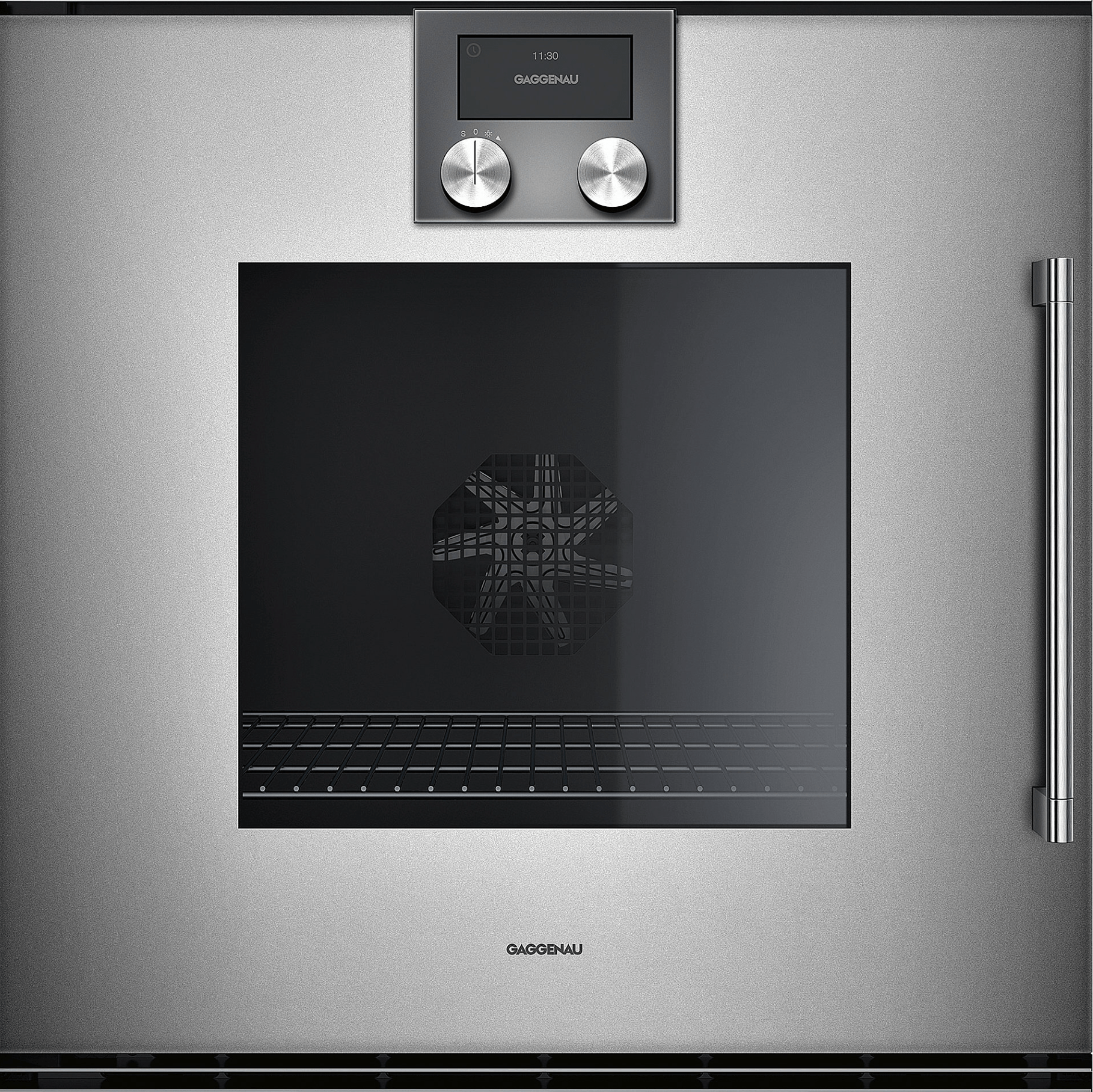
But the company’s long-term strategy is now colliding with a harsher macroeconomic reality.
“We do not expect any tailwinds in 2026 either,” Metz said, reiterating a defensive outlook. “Markets will remain volatile.”
Outlook: Volatility Becomes the Baseline
With geopolitical risk escalating, energy prices rising, and construction markets weakening, BSH is entering 2026 with limited visibility on recovery.
The Middle East war has effectively removed any near-term expectation of stabilisation, replacing it with a more entrenched period of volatility that is reshaping supply chains, compressing margins, and delaying demand.
For BSH and its competitors, resilience is no longer a strategic ambition—it is an operational necessity.