Middle East Crisis Triggers Worst Appliance Freight Chaos Since Pandemic For European Manufacturers
 David Richards
09 Mar 2026
David Richards
09 Mar 2026
Australian retailers are bracing for a “perfect storm” as the escalating Middle East conflict—headlined by the closure of the Strait of Hormuz—sends shockwaves through the national supply chain.
With oil prices surging to $109 a barrel this morning, the industry is witnessing the most significant logistical breakdown since the 2020 lockdowns.
Analysts warn that the “just-in-time” inventory model, the bedrock of modern retail, is effectively collapsing under the weight of geopolitical instability.
The ‘Distance Tax’: European Giants Under Fire
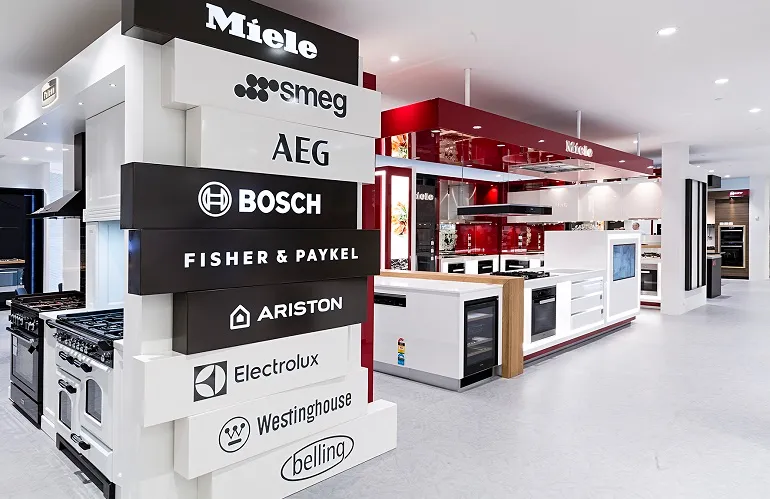
Premium European manufacturers are bearing the brunt of the crisis. Unlike mass-market brands that manufacture in Southeast Asia, high-end names such as Miele, Electrolux, Bosch, and Gaggenau rely on European production.
The disruption of the primary Europe-to-Australia trade artery has created three critical “pain points”:
The Cape Marathon: Rerouting vessels around the Cape of Good Hope has extended standard 40-day voyages to a 60-day marathon.
Floating Inventory: Millions of dollars in paid stock is currently “stranded” at sea, unable to be sold or serviced.
Emergency Surcharges: “War Risk” and “Emergency Cape Surcharges” have added up to USD $1,500 per container, slapping a hidden “tax” of roughly $40–$60 on every premium dishwasher or oven landed in Australia.
Raw Material Crunch: Aluminium and Plastic Spikes
The crisis is hitting the factory floor before goods even reach a ship.
With the Middle East supplying 18% of global aluminium, the closure of the Strait of Hormuz has sent LME prices to near-record highs.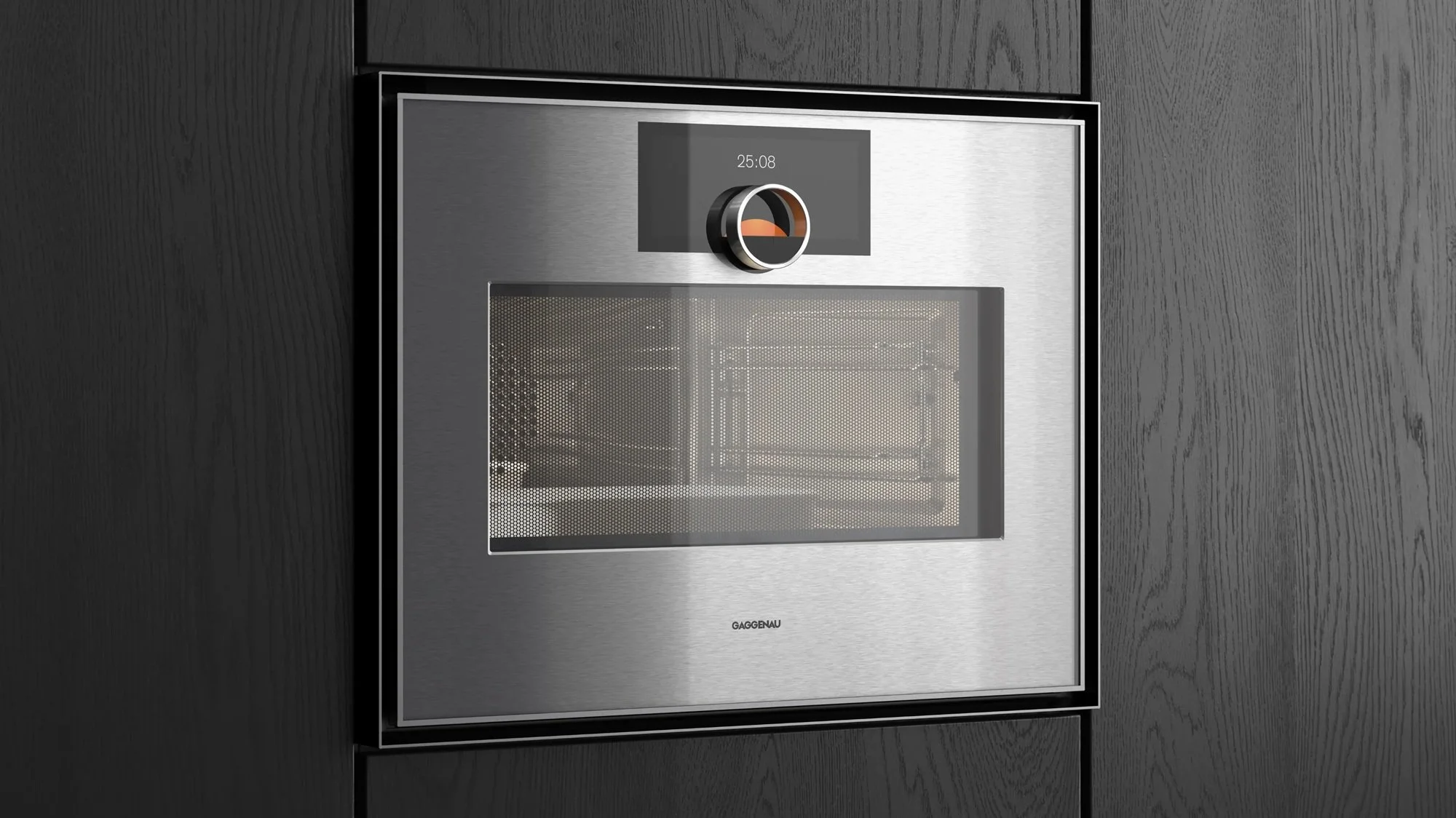
“It’s a double-whammy,” says one Deloitte analyst.
“Higher oil prices drive up factory energy costs and the price of plastics, while the aluminium shortage hits the very chassis and heating elements these appliances are made of.”
Retailer Pain: From ‘Volatile’ to ‘Unviable’
The financial burden on Australian importers has shifted from temporary volatility to a structural threat. Key disruptions include:
Freight Explosion: 20-foot container rates have doubled in weeks, jumping from USD $2,000 to over USD $4,000.
Air Cargo Collapse: The suspension of flights by Gulf carriers (Emirates, Qatar, Etihad) has slashed air freight capacity by 18%, crippling the delivery of time-sensitive electronics and fashion.
The ‘Last-Mile’ Hit: Domestic diesel prices are pushing fuel towards $2.15 -$3.00 per litre, forcing e-commerce operators to reconsider “free shipping” as margins evaporate.
The Consumer Chill
For the Australian consumer, the crisis is manifesting as a “sentiment chill.” As fuel prices act as a de facto tax on household budgets, discretionary spending on household goods and footwear is plummeting.
Retailers now face a brutal ultimatum: absorb a 15%–35% spike in freight costs and see margins vanish, or pass the costs onto an already struggling public, further stifling demand. With some specialty electronics sectors warning of “line-stop” risks, Australian shoppers may soon find that the shelves are as empty as their wallets.