Scammers Move Fast To Cash In On New Apple iPhone Hype
 Emma Wheaton
15 Sep 2026
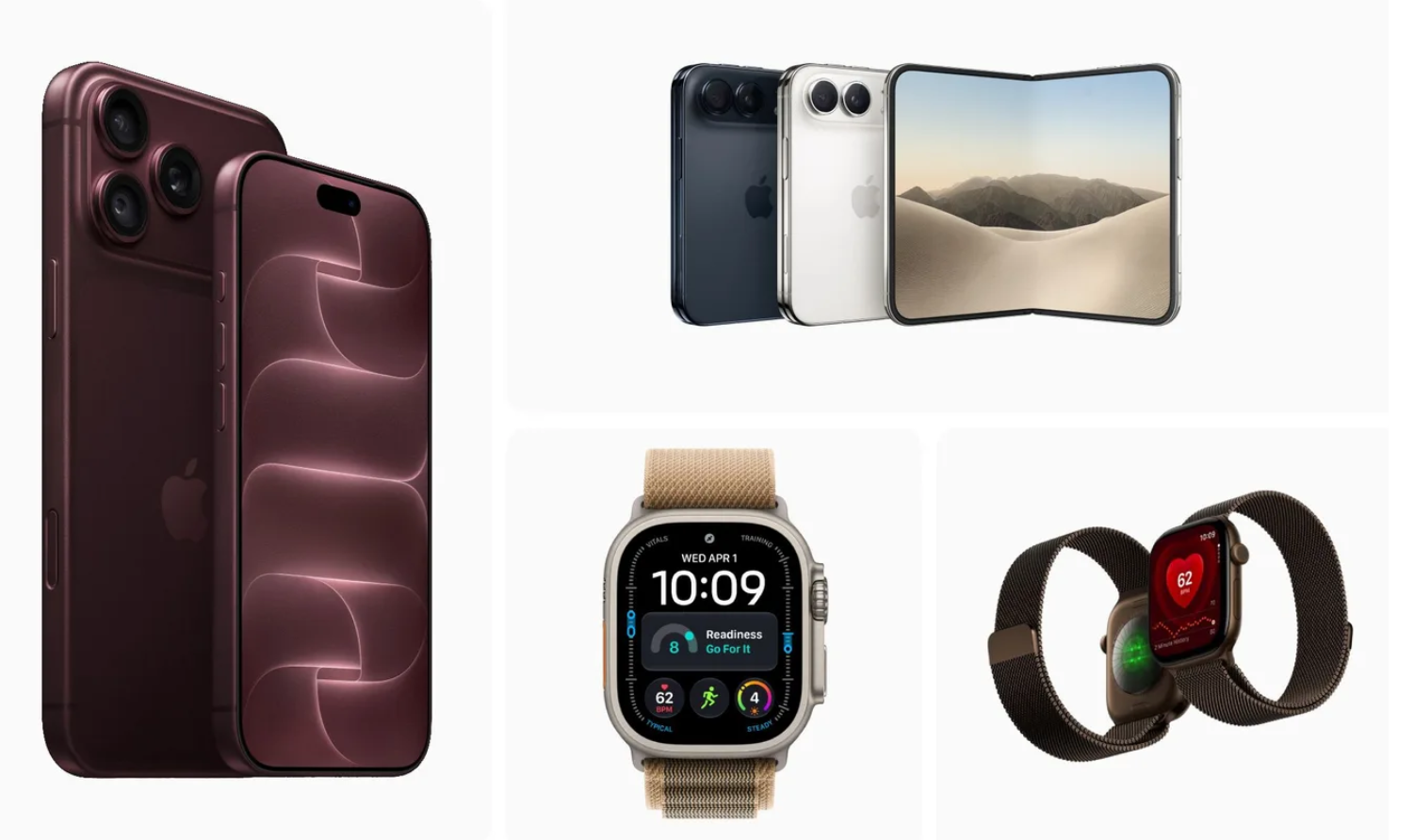
Fake retail sites are appearing rapidly as scammers attempt to exploit consumer excitement surrounding Apple’s latest iPhone launches.
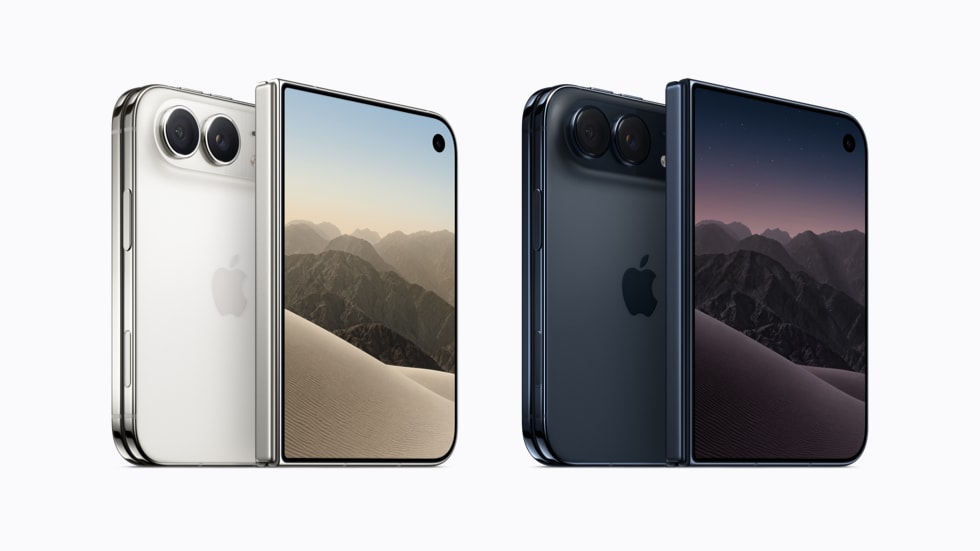
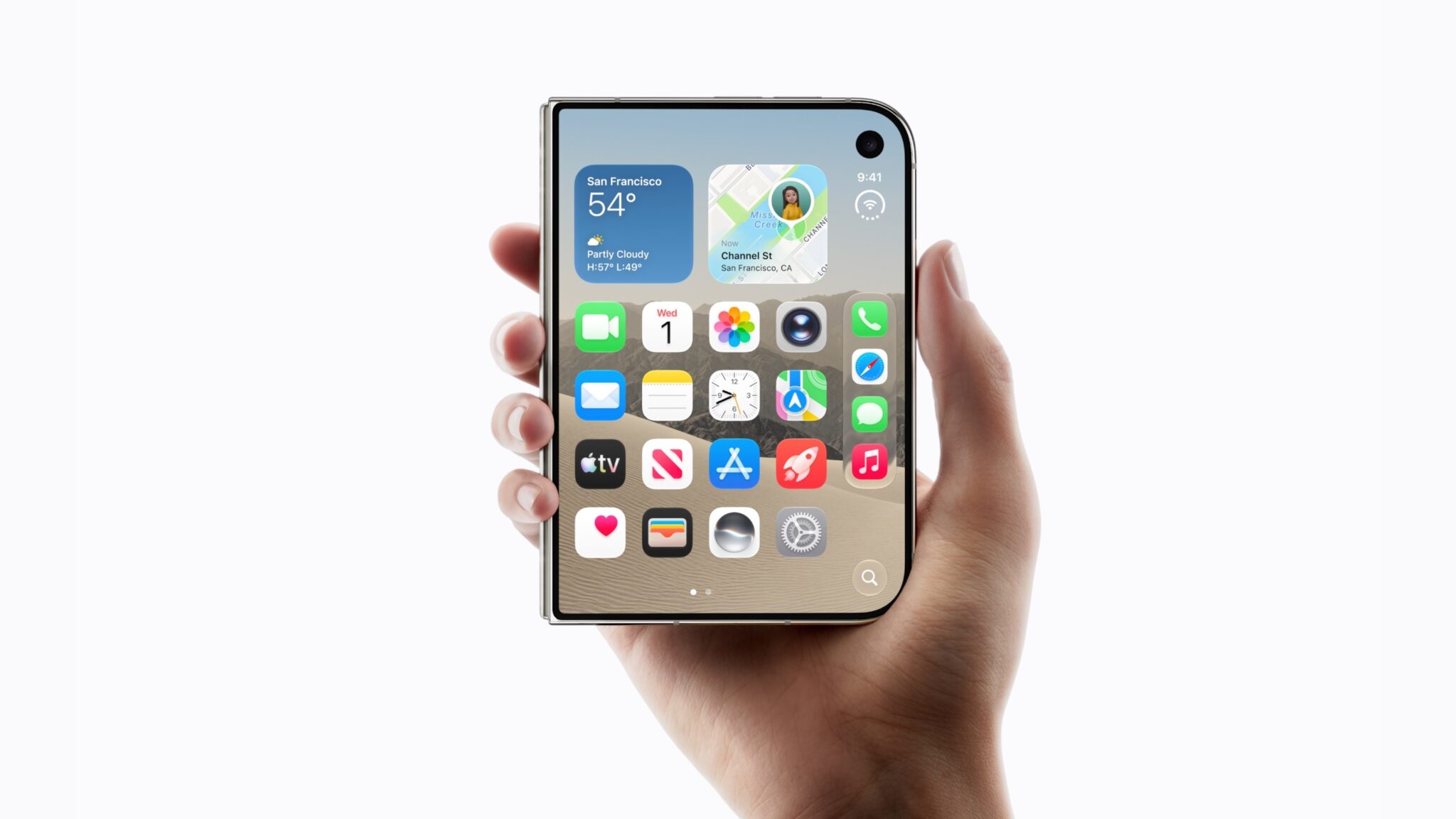
Apple recently launched its latest iPhone range, including the new iPhone 18 Pro and iPhone 18 Pro Max, as well as the company’s first foldable iPhone, the iPhone Duo. Reports are being made that scammers are using the launch hype to create fraudulent websites, with sites so far confirmed to target consumers in Hong Kong and the UK, that lure consumers with supposedly discounted handsets.
Security researchers have identified a sharp increase in websites and domain registrations containing terms such as “Apple” and “iPhone” around the launch period.
According to The Guardian, registrations referencing new iPhone models have historically peaked on Apple’s keynote day, with more than 200 new domains registered within a 24-hour period during each of the past four iPhone launches, compared with zero or one on a normal day.
The fake websites can be difficult for consumers to identify and according to security researcher Alexandre François of WhoisXML API, criminals can use technical specifications released by Apple to create convincing-looking websites that closely imitate legitimate retailers.
The scams typically offer an attractive price or the promise of early access. Consumers may be offered a new iPhone for hundreds of dollars less than the official price, with some fraudulent websites applying time pressure to encourage shoppers to complete a purchase before they have checked the seller.
Payment methods are another potential warning sign. Fraudulent websites may request payment by bank transfer or cryptocurrency, both of which have significantly less consumer protection than card payments.
For Australians, the warning is particularly relevant as demand for the latest iPhones builds following Apple’s launch. The safest approach is to purchase directly from Apple or an established retailer and avoid websites with prices that appear too good to be true.
Consumers should also be wary of websites claiming to sell products that Apple has not officially released. Security researchers warn that scammers can create pages that appear to offer early-access products, or sometimes even devices that have not yet been announced.
Apple also warns customers about social-engineering scams, including fraudulent messages and calls that impersonate the company. Apple recommends treating unexpected requests for personal information or account details with caution.