Logitech Targets Half Its Business From Enterprise As Australia Becomes Key Market
 Joe Gallop
15 Sep 2026
Logitech is aiming to generate half its global business from organisational customers as the peripherals giant expands deeper into enterprise technology, with Australia now ranked among its ten largest markets.
Speaking to ChannelNews, Logitech Chief Commercial Officer Yalcin Yilmaz said B2B sales were the company’s “biggest bet”, with the division already accounting for roughly two in every five dollars earned globally.
“We are aiming to make Logitech for Business 50% of our total business,” Yilmaz said. “This is already the case in many countries. That’s our growth area.”
Logitech currently generates around US$4.6 billion in annual revenue but estimates it can credibly compete across a US$24 billion addressable market.

Yilmaz identified gaming, video collaboration and Logitech’s traditional accessories business as its three largest growth opportunities.
“We believe gaming alone could be bigger than total Logitech today,” he said, pointing to PC, console, mobile, esports and simulation gaming alongside its growing place in popular culture.
The company believes video collaboration could also eventually exceed the size of its current global business.
“Only 20% of all meeting rooms across the world have video equipment today. Eighty per cent are empty,” Yilmaz said.
“Now, with back-to-work combined with AI, there is a huge opportunity for us.”
Yilmaz said Logitech wants to position itself as an “interior designer of the new way of working”, offering equipment for individual employees, teams and entire organisations.
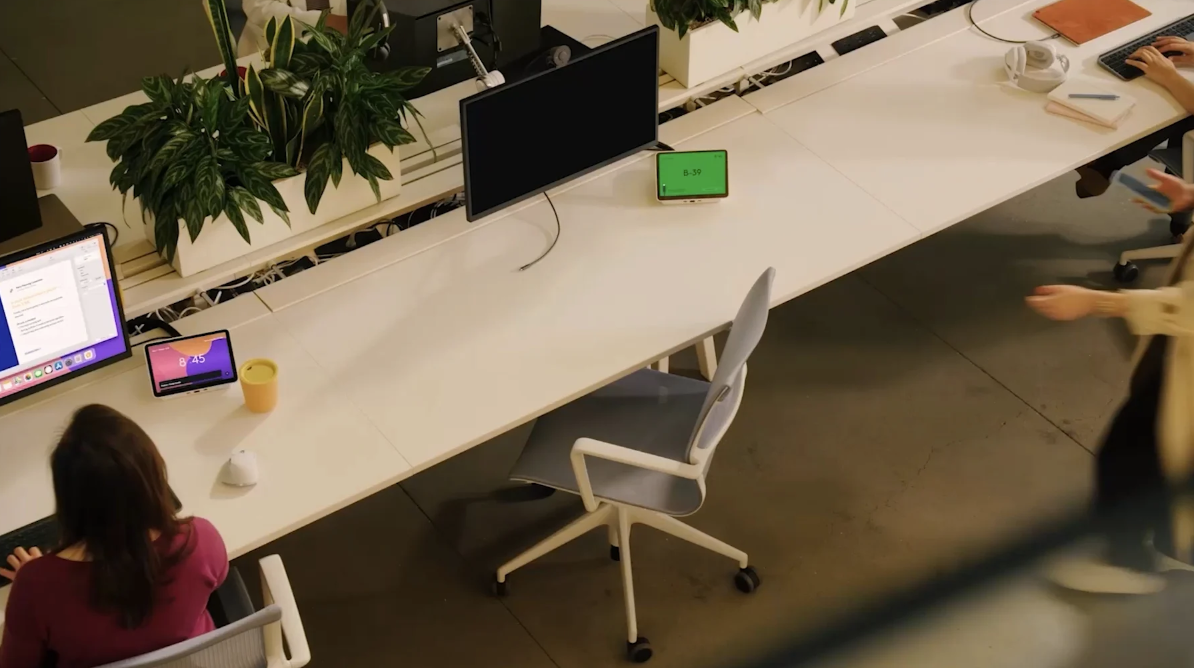
The company is particularly interested in intelligent meeting rooms combining video equipment with AI assistants and other workplace technologies.
Australia will play an important role in that expansion, according to Yilmaz, who brought members of Logitech’s global leadership team to the country to study its retail and enterprise ecosystem.
“Australia is in the top ten in the world ranking for Logitech and, with this, is definitely a focus country for us,” he said.
“We are investing heavily here in go-to-market, in people and in marketing.”
Yilmaz said tech trends that once originated in Silicon Valley before moving through Europe and Asia-Pacific were increasingly travelling in the opposite direction.
“Asia-Pacific is leading the way,” he said. “Trends are happening here, not only in innovation but also in go-to-market and mindset.”
Logitech sees education and the public sector as the biggest immediate vertical opportunities in Australia, with the company already engaging schools, universities and government departments.
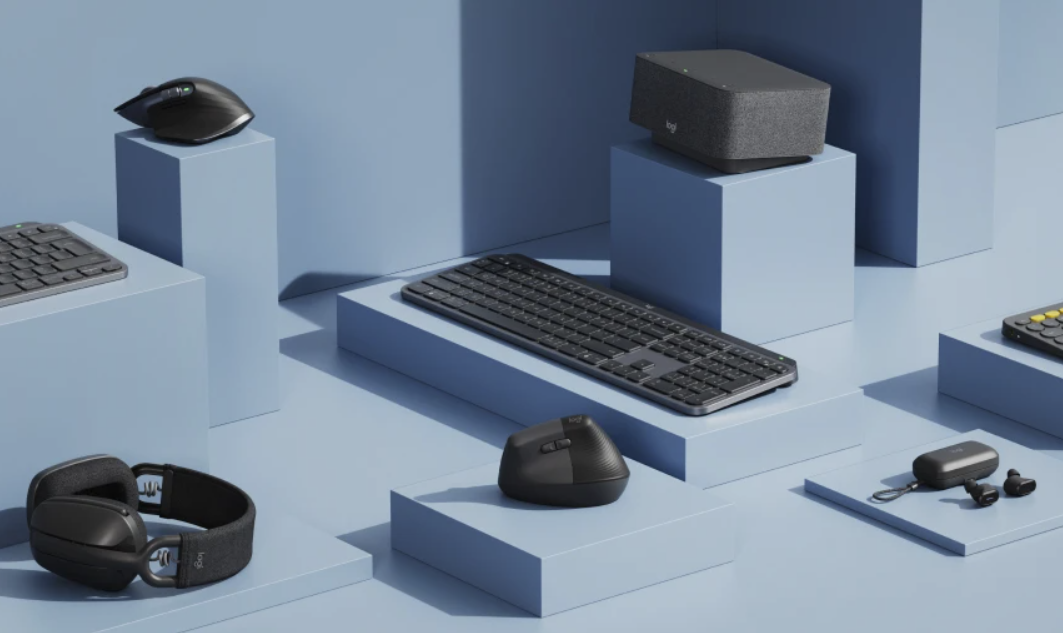
Gaming hardware is also increasingly crossing into workplaces and classrooms. Yilmaz said Logitech had observed employees using gaming mice and other products professionally, while schools were purchasing gaming equipment to make learning more interactive.
Hybrid work will remain central to the company’s strategy despite the return-to-office push.
Yilmaz said employers must offer facilities and equipment that are better than those available at home if they want to attract and retain staff.
He also highlighted growing demand for mobile and ergonomic products as people work across homes, offices and public transport.
Looking ahead, Yilmaz said Logitech’s biggest strategic shift under chief executive Hanneke Faber was its ambition to become an “iconic brand”, backed by greater investment in enterprise technology.
“The next stage of video solutions – intelligent meeting rooms and smart meeting rooms – may be a game changer,” he said.