Black Friday Pressure Builds As Retailers Face Higher Prices, Patchy Stock
 David Richards
15 Sep 2026
Australian consumer electronics and appliance retailers are heading into the critical Black Friday trading period facing a brutal combination of supplier price rises, patchy stock availability, weaker consumer spending and growing competition from offshore marketplaces.
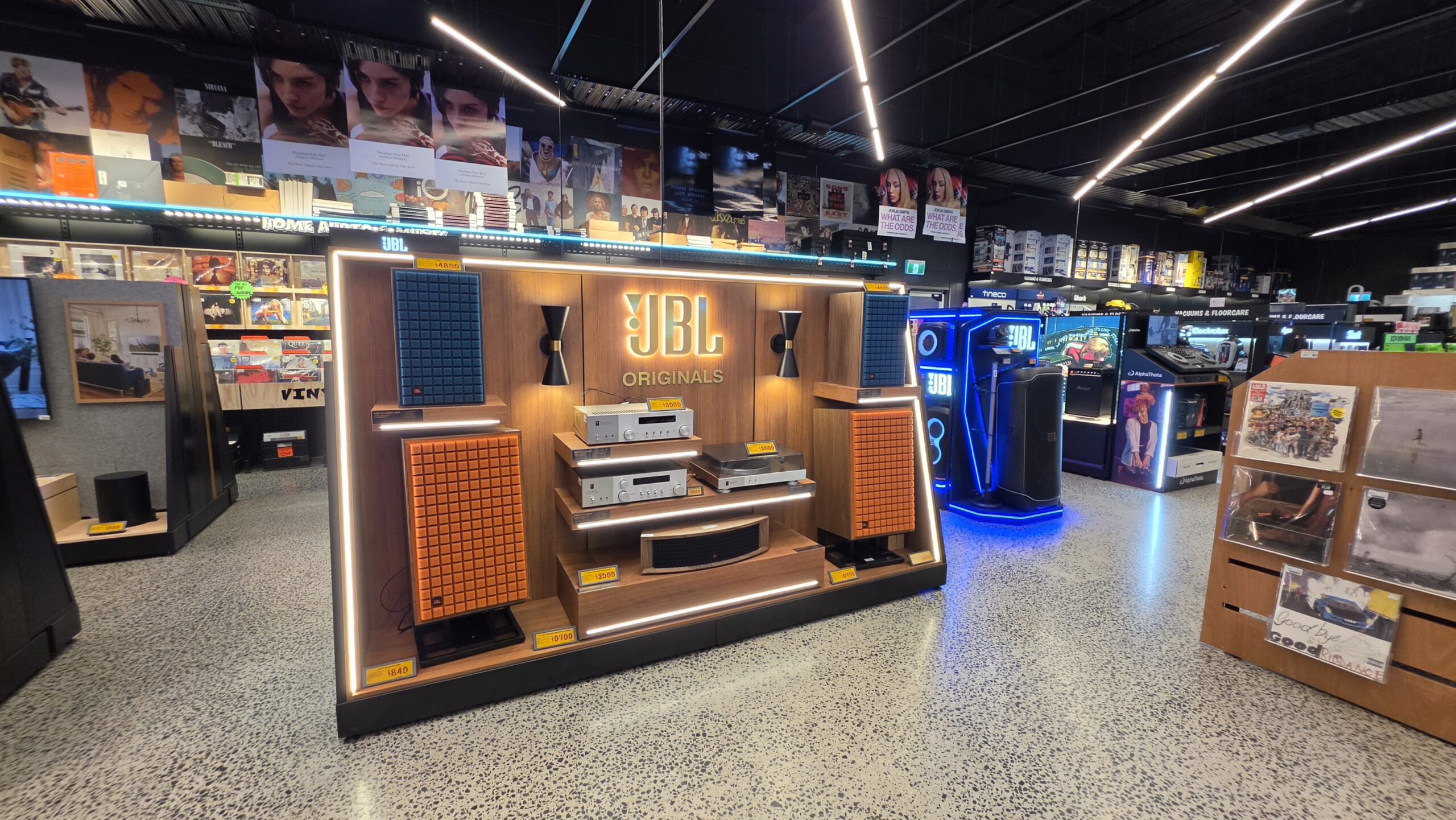
JB Hi-Fi’s FY26 result exposed the pressure building across the sector.
The retailer delivered record total sales of $11.06 billion, but its shares plunged 10.51% after management revealed that comparable sales turned negative in Australia during July 2026.
JB Hi-Fi blamed supplier price increases, stock constraints and increasingly cautious consumers.
Management also warned that after pushing through price rises, suppliers were funding fewer promotions, running them for shorter periods and offering shallower discounts.
That is a direct threat to retailers heading into a Black Friday season built around aggressive discounting.
Harvey Norman and Officeworks face similar pressures, although Harvey Norman’s massive property portfolio continues to provide the business with a financial buffer that its retail competitors do not have.
Harvey Norman’s Australian sales fell 3.4% in July, considerably worse than the 1.7% decline at The Good Guys and the 1.4% fall at JB Hi-Fi Australia.
Cash generation also disappointed. Operating cash flow fell to $537 million, well below forecasts of $738 million, while net debt climbed to $941 million.

Bosses might not like WFH, but retailers sure do
Behind the supplier price increases is the global AI driven memory squeeze.
DRAM and NAND prices are climbing sharply as AI data centres soak up available production capacity, leaving smartphone, PC, television and gaming manufacturers fighting over tightening supplies.
The worst of the price shock is expected to reach consumers during the second half of the year, as higher contract prices flow into the bill of materials for products ordered for the peak Christmas trading period.
IDC expects the average selling price of a smartphone to jump 14% this year to a record US$523.
Nintendo has significantly increased the price of its Switch 2, citing rising memory costs, while Sony and Microsoft have also lifted console prices.
Other manufacturers are attempting to hold retail prices by cutting specifications, reducing storage or delivering less value in the box.
Several Chinese manufacturers attending IFA 2026 told ChannelNews that Australian orders for Black Friday were “down significantly”, raising the prospect of stock shortages in key categories if demand suddenly accelerates.
Retailers are also confronting an increasingly difficult economic environment.
The Reserve Bank held the cash rate at 4.35% in August after three increases earlier this year. Headline inflation eased to 3.5% in July, but trimmed mean inflation remained at 3.6%, leaving another rate increase on the table when the RBA meets on September 29.
Higher mortgage repayments, rising living costs and renewed fuel price pressure linked to the Middle East conflict are creating what analysts describe as a double squeeze on household budgets.
Deloitte recently forecast household consumption growth would slow from 2.3% in 2025–26 to just 1.3% in 2026–27, with consumption per person effectively flat.
The timing of consumer spending is another threat.
Retailers expect Click Frenzy, Black Friday and Cyber Monday to generate 52% of holiday revenue. Consumers, however, expect only 23% of their spending to occur during these promotional events, with 45% planned for early December.
That creates a dangerous margin trap. Deep discounting in November could simply drag forward sales that would otherwise have occurred at more profitable prices in December.
Competition from offshore marketplaces is adding further pressure. These platforms generated almost $12 billion in Australian sales during 2025 and are forecast to reach $18 billion in 2026, with 79% of local retailers now concerned about their impact.
There is some relief for suppliers, with the Australian dollar climbing above US71 cents in mid August, potentially reducing the cost of imported products.
Deloitte also found that 70% of shoppers are prepared to pay full price to secure the exact product they want, providing retailers with an opportunity to protect margins on scarce or highly desirable products.
Regulatory risks remain.
Australia’s new unfair trading practices law does not commence until July 1, 2027, meaning it will not apply during this year’s peak trading season. Existing consumer laws, however, still require retailers to display clear and accurate prices and prohibit misleading savings claims.
The ACCC is expected to pay close attention to “was” and “now” pricing, particularly where suppliers have recently increased recommended retail prices before funding Black Friday discounts.
The critical question is whether memory driven price rises survive into Black Friday, or whether suppliers use higher list prices to create the appearance of bigger discounts.
Either way, Australian retailers face one of their most difficult peak trading periods in years, squeezed between higher costs, weaker consumers, offshore competition and the growing risk that discounting will deliver sales without delivering profit.