LG Accused Of Misleading Consumers As Smart TV Privacy Fight Escalates T&C’s Dodgy Claim
 David Richards
16 Sep 2026
David Richards
16 Sep 2026
LG Electronics has been accused of misleading consumers over the data collected by its webOS smart TVs, with security researchers escalating their attack on the South Korean electronics giant after LG publicly rejected key findings of a major investigation into its television software.
The dispute has now widened beyond viewing data and Automatic Content Recognition, or ACR, with researchers alleging LG TVs sold in Australia and worldwide, can transmit location information and audio fingerprints, while a lawyer brought into the investigation claims the company’s terms and conditions are “functionally impossible” for an ordinary consumer to understand.
LG denies the central allegations.
The latest claims come from Gamers Nexus editor-in-chief Steve Burke and Level1Techs’ Wendell Wilson, working with independent researchers MrBruh and uturn.
Their original 135-minute investigation, 216,000,000 Spy TVs: The LG Smart TV Problem, followed what the researchers claim was more than 500 hours of work costing about $70,000.
The team tested retail LG OLED TVs, including the flagship G5, using Wireshark packet captures, webOS firmware analysis and other security techniques.
The findings were subsequently covered by security company Malwarebytes.
The potential scale is significant.
LG has previously claimed a smart TV footprint of around 49 million sets in the US and 216 million globally with the real possibility emerging that LG Electronics could face a class action over the issue.
On September 9, LG issued a statement declaring that “the claims made in the recently published video are not true.”
LG acknowledged that its televisions scan local networks but described this as a standard smart TV function.
The company also said voice data is processed only when a user presses the microphone button or, where enabled, a far-field voice feature detects a wake phrase such as “Hi LG.”
Within 48 hours, Gamers Nexus responded with a 47-minute rebuttal provocatively titled LG Says We’re Fake News, accusing the electronics giant of misrepresenting several of the original investigation’s findings.
The researchers also raised questions over changes to LG’s language surrounding voice information. 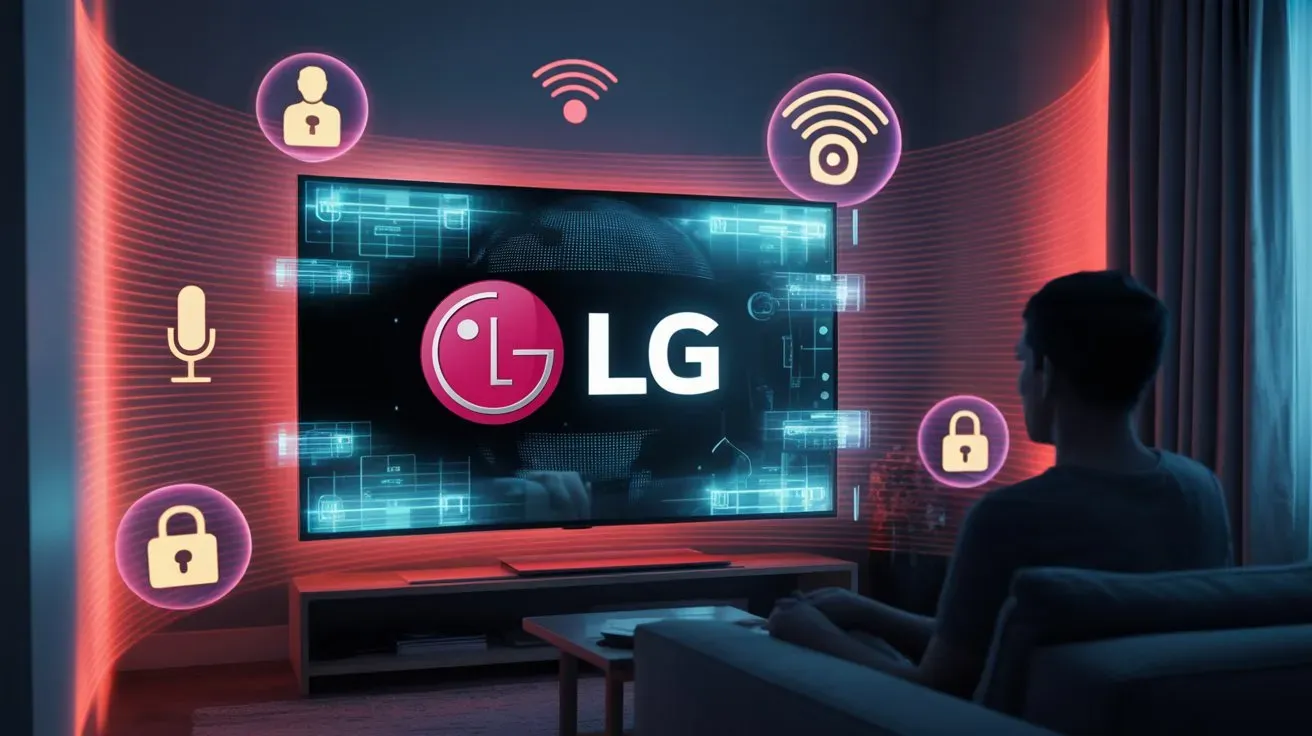
According to Gamers Nexus, LG changed wording from “store” to “transmit” after researchers demonstrated what they said were plain-text speech transcripts recovered from log files on a television.
The researchers argue LG’s subsequent statement effectively acknowledges that voice capture can occur when voice functionality is enabled.
There is, however, an important distinction.
Claims that an LG television could be made to listen while apparently switched off involved a compromised television where researchers had obtained elevated access. That does not establish that an ordinary, uncompromised LG television routinely records conversations while switched off.
The researchers argue the underlying security vulnerabilities nevertheless demonstrate what could be possible if a television is compromised.
Location Data Allegedly Transmitted Via HDMI
Potentially more significant is new testing that researchers claim did not require hacking or modifying the television.
Researcher uturn intercepted network traffic from his own LG television while using the set only through an HDMI-connected device.
According to the investigation, the television transmitted information to LG advertising operation Alphonso that included a device identifier, city, state, postcode, latitude and longitude and the nearest major road.
The researchers claim the information was transmitted as frequently as 20 times a minute alongside audio fingerprints identifying content being played through HDMI.
Unlike the switched-off microphone demonstration, they say this behaviour was observed on a standard, unrooted television without exploiting a security vulnerability.
LG’s response to this specific allegation will be critical, particularly whether the same information is collected from Australian LG televisions and transmitted to Alphonso or other LG advertising operations.
Lawyer Takes Aim At LG’s Terms
Gamers Nexus also commissioned attorney Vincent Agosta to examine LG’s consumer agreements.
His assessment raises another issue for LG: whether consumers can realistically understand what they are agreeing to when setting up one of the company’s smart televisions.
“It’s functionally impossible for a lay person to understand the agreements,” Agosta said.
The investigation alleges users can be confronted with six agreements when opening an application even though only two are necessary, with a “select all” option highlighted.
Researchers also claim that after consent is withdrawn, a television can transmit one final data packet to LG.
In another test, they allege a four-year-old LG television received an advertising identifier and tracking cookies following a software update despite no new terms being accepted.
LG maintains that ACR information belonging to consumers who have not consented is not used for advertising.
The researchers argue that response leaves unanswered a different question: whether information is still collected and potentially used for purposes other than advertising.
Who Owns The Data On Your TV?
The investigation also revisited comments attributed to LG Ad Solutions executives, including president Serge Matta, around the advertising industry’s concept of “owning the glass”.
Agosta’s interpretation is that while consumers own the physical television, LG’s agreements can provide the company with broad rights relating to information generated by what consumers watch.
More controversially, the investigation claims LG’s terms place responsibility on the television owner to obtain appropriate consent from family members, guests and others using the television.
Questions were also raised about how information involving users under 18 is handled.
Prescription Advertising Raises More Questions
Gamers Nexus also highlighted LG Ad Solutions’ relationship with healthcare advertising specialist DeepIntent.
DeepIntent has promoted technology designed to connect television advertising exposure with prescription outcomes.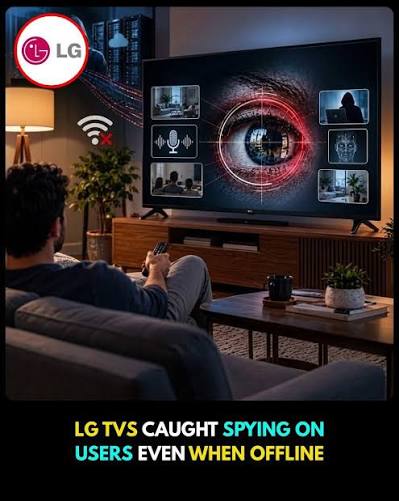
The researchers questioned what datasets and intermediaries allow advertising platforms to determine whether exposure to a pharmaceutical advertisement is associated with a subsequently filled prescription.
That does not, by itself, establish that LG directly receives an individual’s prescription records, but it adds another layer to questions surrounding how smart TV advertising data can be combined with information from outside sources.
Australian Questions Remain Unanswered
ChannelNews has previously reported on LG’s use of webOS and ACR technology to collect viewing information that can be commercialised through advertising operations.
The latest allegations raise more specific questions for LG Electronics Australia.
Among them is whether Australian LG televisions transmit location information, audio fingerprints or HDMI viewing information to Alphonso or LG Ad Solutions, whether Australian users are subject to the same consent provisions identified by Gamers Nexus, and whether local consumers are responsible under LG’s agreements for obtaining consent from other people using their televisions.
None of the latest allegations has been tested by an Australian court, and LG continues to reject the researchers’ central claims.
Gamers Nexus says its investigation is now expanding to televisions made by other manufacturers, meaning LG may not be the only smart TV company facing scrutiny over what modern connected televisions collect, where that information goes and whether consumers genuinely understand what they agreed to when they clicked “accept.”