Microsoft Speeds Up Windows 11 With Major June Update
 Joe Gallop
12 Jun 2026
Joe Gallop
12 Jun 2026
Microsoft has rolled out a major June update for Windows 11, delivering performance improvements, new features and fixes for more than 200 security vulnerabilities.
The update includes a new Low Latency Profile designed to make Windows 11 feel faster during everyday use.
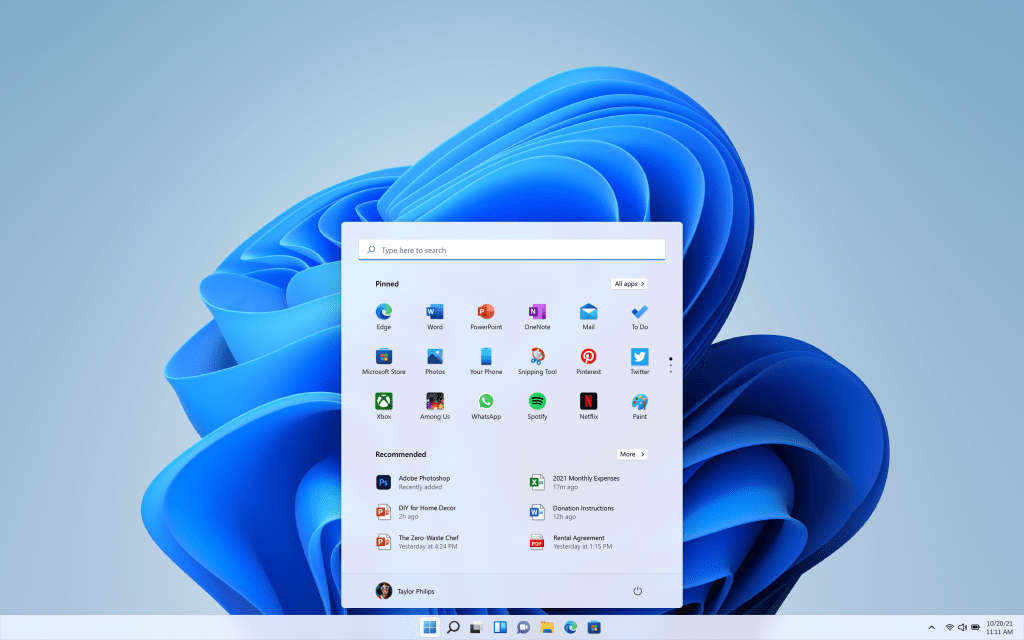
The feature briefly boosts a PC’s CPU clock speed when users launch apps or open core Windows elements such as the Start Menu, Search and Action Centre.
Microsoft says this should improve responsiveness, though the feature appears to be enabled only on selected PCs at this stage.
The update also improves Microsoft Store downloads and installations, an area that has long frustrated Windows users.
Windows Search is being made faster too, with results now appearing after just two characters are typed.
Other additions include multi-app camera support, allowing the camera to be used by more than one app at once, and Shared Audio, which lets compatible Windows 11 PCs broadcast audio to two Bluetooth LE headphones or earbuds.
Microsoft has also added new NPU monitoring tools in Task Manager for PCs with dedicated AI chips, as it continues to expand AI-related capabilities across Windows hardware.
But the most significant changes are security related.
Microsoft has patched 206 vulnerabilities, including critical and severe flaws involving remote code execution, privilege escalation, information disclosure and spoofing.
One of the most serious fixes addresses a kernel-level remote code execution vulnerability.
The release comes as Microsoft faces continued criticism over Windows 11 performance, usability and AI clutter.
Recent changes suggest the company is now focusing more heavily on speed, user choice and core operating system improvements.