Microsoft Crisis Deepens As Xbox Users Hit With Third Console Price Rise In A Year
 David Richards
26 Jun 2026
David Richards
26 Jun 2026
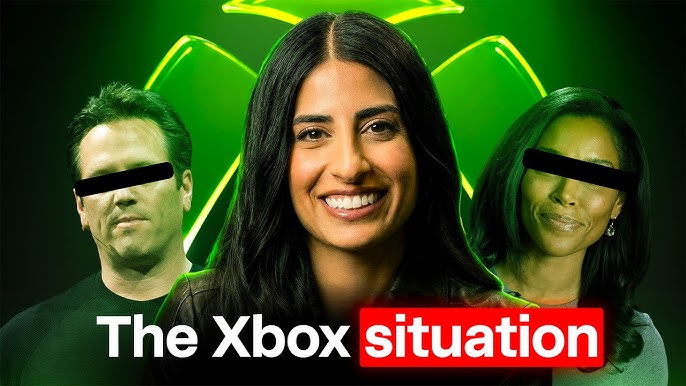
Microsoft has announced its third Xbox console price increase in little over a year, compounding a deepening crisis inside the company’s gaming division that has seen revenues collapse, studios threatened with closure, and a new chief executive scrambling to execute a ground-up reset of a business that has burned through more than $20 billion without growing its top line.
This is the same Company that is struggling gto get businesses and consumers to use thei Copilot AI offering.
Effective August 1, 2026, Xbox Series S consoles with 512GB of storage will rise by US$100, while 1TB models across both the Series S and Series X will increase by US$150. Microsoft is also discontinuing its 2TB model entirely. The latest increases mean an Xbox Series X disc-drive model now costs $300 more than it did at launch in 2020, while the Series S is 50 per cent more expensive than its original retail price.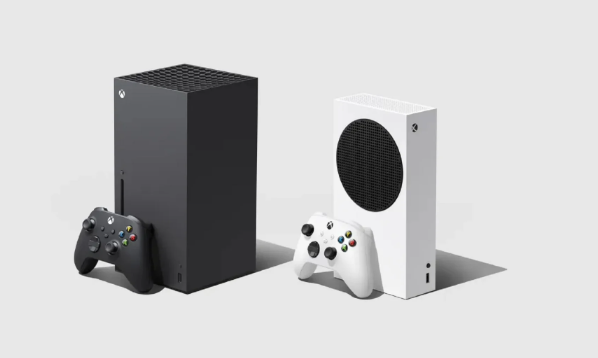
Price rises for Australia have not been announced.
The price shock lands at the worst possible moment for a division already battling falling hardware sales, subscriber losses on Game Pass, and a public admission from new Xbox CEO Asha Sharma that the business is not financially viable in its current form.
Component Crisis Blamed — But AI Is The Real Culprit
Microsoft is citing a global component shortage as the trigger for the latest increases. The company says console storage and memory prices have increased by more than 2.5 times and expects another doubling by the fall of 2027. The company specifically pointed to growing demand for memory chips from the artificial intelligence sector, with major manufacturers prioritising high-bandwidth memory for AI data centre applications, squeezing supply of the consumer-grade components used in gaming consoles.
In a company blog post, Microsoft acknowledged that unlike phones, computers, and speakers, consoles are typically sold at a loss — making the component price surge directly and immediately destructive to the division’s economics.
This is the third time Xbox systems have increased in price since 2025, with the first rise occurring in May last year — widely attributed to the impact of US tariffs — followed by a second increase in September citing changes in the macroeconomic environment.
The price rises are the most visible symptom of a much broader structural failure inside Microsoft Gaming.
In its most recent quarterly filing, Microsoft reported a 7 per cent decrease in gaming revenue, totalling $5.3 billion for the quarter ending March 31, with hardware sales dropping 33 per cent due to lower console volumes and content and services revenue declining by 5 per cent.
A sweeping internal strategy memo co-signed by Sharma and Chief Content Officer Matt Booty, published publicly on Xbox Wire on June 10, acknowledged that excluding the $68.7 billion Activision Blizzard acquisition, Microsoft spent over $20 billion on content, platform, and hardware subsidies across five years while watching annual revenue fall by nearly half a billion dollars.
Sharma told employees the business had plummeted to a 3 per cent “accountability margin” — the internal metric Microsoft uses to reflect profit margin.
Phil Spencer’s Spending Spree Comes Undone
The crisis traces directly to the aggressive acquisition strategy pursued under former Xbox chief Phil Spencer, who has since departed the company. Both Sharma and Booty stated that Xbox had found itself “over-extended” after expanding its studio system at breakneck speed through the acquisitions of ZeniMax Media and Activision Blizzard.
Rather than delivering the anticipated returns, the enlarged empire has proven unwieldy and expensive to operate. Studios including Ninja Theory, Double Fine, and Compulsion Games — acquired to feed the Game Pass content pipeline — are now caught in an internal portfolio review, with some facing closure and others in discussions about spinning off as independent companies.
Bloomberg has reported that the wave of layoffs expected shortly after Microsoft’s fiscal year closes on June 30 could potentially shutter active development studios, representing a structural reset of a division that new leadership has already described as not in a healthy state.
Microsoft CEO Satya Nadella has signalled the era of corporate patience for low gaming margins is over, acknowledging the company had historically been subsidising its entertainment division rather than properly monetising it.
Massive Layoffs Imminent
Microsoft’s Xbox division is planning major job cuts as Sharma overhauls the video game unit to stem declining revenue, with the layoffs expected shortly after the close of Microsoft’s fiscal year on June 30. The cuts are expected to affect roughly 1,000 people, with Xbox also planning significant reductions to marketing and other operational budgets.
Additional sources speaking to The Verge have indicated the cuts might result in a studio closure or changes to the Xbox Game Studios lineup.
Game Pass has been losing subscribers at scale since Microsoft pushed through a price increase in October 2025 — a pricing move that demonstrably failed, with subscriber numbers dropping and Microsoft forced into a partial reversal.
The crisis has been compounded by strategic missteps within the division itself.
By making first-party titles available simultaneously on PC and through Xbox Cloud Gaming, Microsoft inadvertently undermined the case for owning dedicated Xbox hardware — eroding the core driver of console sales.
Reliance on blockbuster franchises has also exposed the division to the volatile nature of the games industry. While 2024 saw historic success with Call of Duty: Black Ops 6, subsequent major releases in late 2025 failed to match that momentum, triggering sharp drops in content revenue year-on-year.
Sharma’s Reset — And A More Expensive Road Ahead

Asha Sharmawas named EVP and CEO, of Microsoft Gaming After Phil Spencer was axed.
Sharma, who was appointed to the top Xbox role in February, is now attempting to reverse course. She has moved to reinstate console exclusives, with Gears of War: E-Day and Clockwork Revolution confirmed as Xbox exclusives for 2026 and 2027 respectively. A memo published publicly outlined a 100-day strategic overhaul addressing the hardware component crisis, the overextended studio network, and outdated platform infrastructure.
To soften the blow of the latest price rises, Microsoft is offering buy now, pay later options through Microsoft Stores, zero per cent APR financing for up to 12 months via Amazon, and is working with retail partners to make previously played consoles available at lower prices.
But the fundamental economics remain brutal. According to analysts, next-generation console pricing may be heading north of $1,000 as a floor, with Valve’s Steam Machine already confirmed to retail above that threshold and Xbox’s next-generation Project Helix targeting a 2027 holiday launch.
For now, Xbox is asking consumers to pay more for hardware the company cannot profitably manufacture — while simultaneously cutting the studio workforce that makes the software those consumers buy it to play.