ACCC Takes Debt Collectors To Court Over Allegedly Misleading Notices
 April Ossington
26 Jun 2026
April Ossington
26 Jun 2026
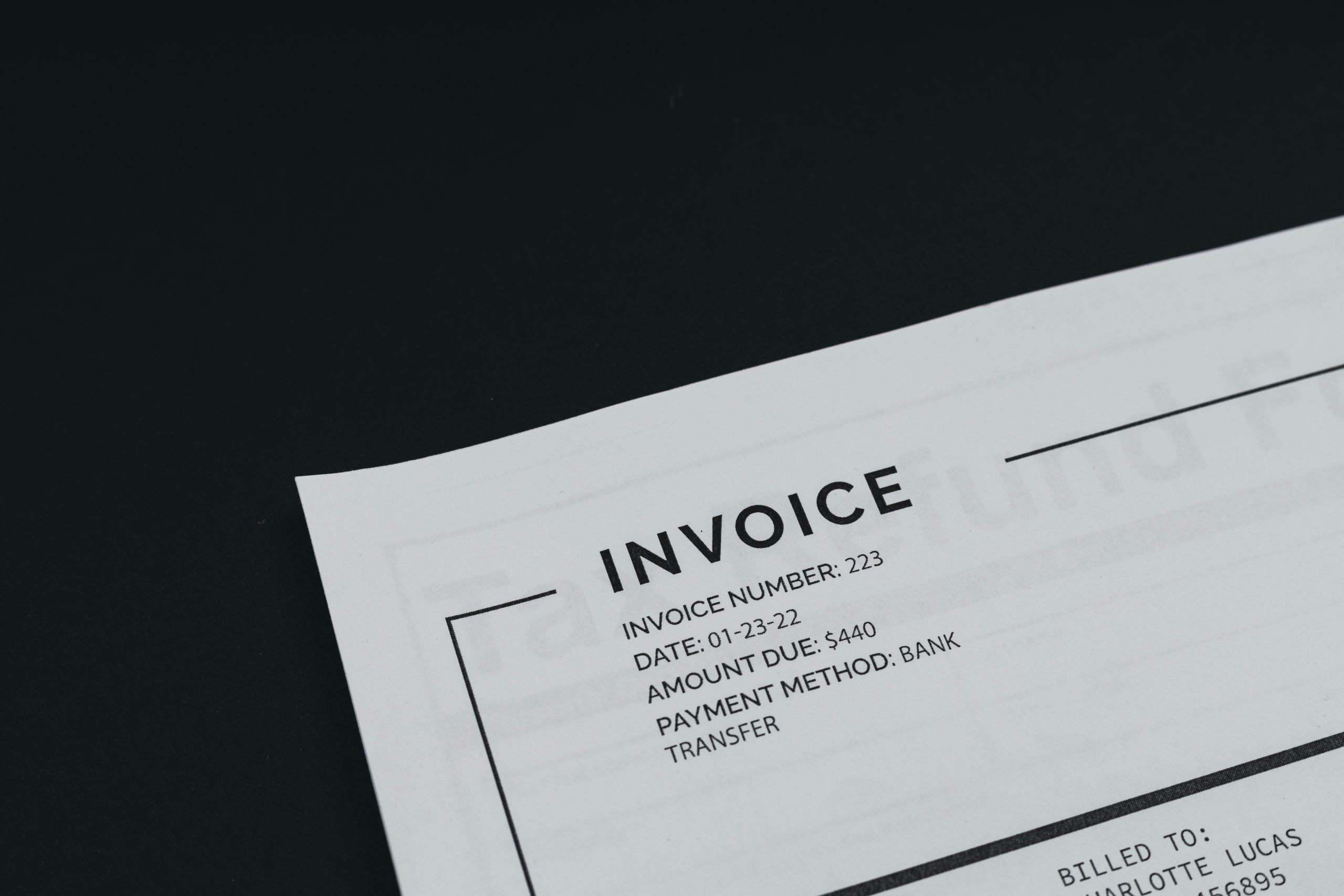
The Australian Competition and Consumer Commission (ACCC) has launched Federal Court proceedings against debt collection agency ARMA Group Holdings and law firm Force Legal, alleging the companies sent hundreds of thousands of misleading debt enforcement notices that may have caused consumers unnecessary financial and emotional distress.
The regulator alleges the two related businesses issued more than 320,000 letters, emails and text messages between February 2022 and September 2025 that falsely suggested consumers were legally required to pay debts or faced imminent legal consequences.
Both companies are owned by ASX-listed Credit Clear Limited, although the ACCC has not alleged the parent company itself breached consumer laws.
According to the ACCC, ARMA sent at least 16,000 communications claiming consumers owed money when, in some cases, the debts had already been repaid or were no longer legally recoverable because they had become statute-barred.
Force Legal is alleged to have sent more than 320,000 demand letters that overstated the likelihood of legal action and the consequences of failing to pay. The regulator claims some correspondence suggested the firm had been instructed to commence legal proceedings when no such instructions had been received from creditors.
Photo by Kelly Sikkema
The ACCC also alleges the letters created the impression that Force Legal operated independently from ARMA, when the businesses were closely related and Force Legal effectively acted as ARMA’s in-house legal practice.
Other alleged misrepresentations included warnings that wages could be deducted without court proceedings and claims consumers would automatically be liable for legal costs and interest, despite those outcomes not being guaranteed under Australian law.
ACCC Deputy Chair Catriona Lowe said the alleged conduct had the potential to seriously affect vulnerable consumers.
“ARMA and Force Legal’s allegedly misleading debt enforcement notices had the potential to cause extreme emotional and financial stress and concern to thousands of people, many of whom were likely experiencing vulnerabilities,” Ms Lowe said.
“We are concerned that the letters and emails which warned consumers of serious and imminent consequences of failing to pay a debt likely led some consumers to make payments they were not legally required to make. We are asking the court to order compensation for these consumers.”
The investigation began after the ACCC received complaints from more than 400 consumers. The regulator alleges ARMA relied on semi-automated systems that generated template communications across multiple digital platforms.
“Companies that do not address features or deficiencies in their systems, processes and procedures which lead to breaches of the law and consumer harm should be in no doubt that they will face serious consequences,” Ms Lowe said.
The alleged debt collection activity involved debts owed to a broad range of organisations, including gyms, energy retailers, telecommunications providers, education institutions, healthcare providers, funeral companies, a streaming service and a transport provider.
However, the ACCC stressed it is not alleging ARMA’s clients breached the Australian Consumer Law or were aware of the alleged conduct.
The regulator also expressed concern about the role played by legal practitioners in the matter.
“The alleged involvement of legal practitioners in developing the allegedly misleading communications to debtors and facilitating the concerning practices between ARMA and Force Legal is a particularly troubling aspect of the conduct which is at the centre of the ACCC’s case,” Ms Lowe said.
The ACCC is seeking financial penalties, injunctions, consumer compensation, declarations and other orders from the Federal Court.
The case continues the regulator’s ongoing scrutiny of Australia’s debt collection industry. Previous enforcement action has resulted in substantial penalties against debt collection firms found to have engaged in misleading, harassing and unconscionable conduct.