GameStop Under Pressure As Sony Ends Physical Games While SEGA Reports Strong Growth
 Emma Wheaton
11 Aug 2026
Emma Wheaton
11 Aug 2026

GameStop is facing renewed questions over the future of its retail operations as Sony moves towards ending physical PlayStation game releases, while strong performance from major games publisher SEGA highlights the continuing shift in where consumers are spending their money.
The development comes as GameStop is reconsidering its US$56 billion bid for eBay, with CEO Ryan Cohen reportedly weighing a partnership or joint venture instead. Meanwhile, its Australian EB Games business faces a changing market for physical games.
Sony is expected to stop releasing new physical PlayStation games from 2028, according to reports, with new titles proposed to be distributed digitally instead.
The move would remove one of the industry’s major sources of physical software sales and comes after years of declining demand for physical games as consumers increasingly purchase titles digitally.
Games Industry Growth
The shift away from physical retail is occurring despite continued activity and growth across parts of the global games industry.
SEGA Sammy’s Entertainment Contents segment, which includes its games business, outperformed its first-quarter forecasts, with full-game sales and revenue from licensing and Rovio performing well.
Free-to-play games fell slightly short of expectations, with SEGA saying it plans to strengthen the operations of existing titles.
The company also expects a series of major full-game releases to support its performance, with titles to be launched sequentially from the third quarter onwards.
These include Stranger Than Heaven and Persona 4 Revival, scheduled for release in January and February next year respectively.
SEGA also expects licensing revenue in its Entertainment Contents segment to increase in coming quarters, supported by anniversaries, adaptations of key intellectual property and new Rovio titles.
SEGA’s performance follows a US$200 million impairment loss on Rovio earlier this year. SEGA acquired the Angry Birds developer in 2023, with CEO Haruki Satomi attributing the write-down to rapid changes in the market environment and other factors, as well as the inability to fully implement Rovio’s Beacon technology in SEGA mobile titles.
SEGA Sammy previously reported group net sales of ¥335.2 billion for the nine months ending December 31, 2025, compared with ¥322.3 billion a year earlier.
Its full-year results subsequently showed net sales of ¥487.5 billion for the year ending March 31, 2026, compared with ¥428.9 billion the previous year.
The results highlight the continuing transition in the games market, with publishers generating revenue through full-game sales, digital distribution, downloadable content, licensing, subscriptions and free-to-play titles.
For retailers such as EB Games, however, many of these revenue streams do not generate the same opportunities as physical software.
GameStop’s Strategy
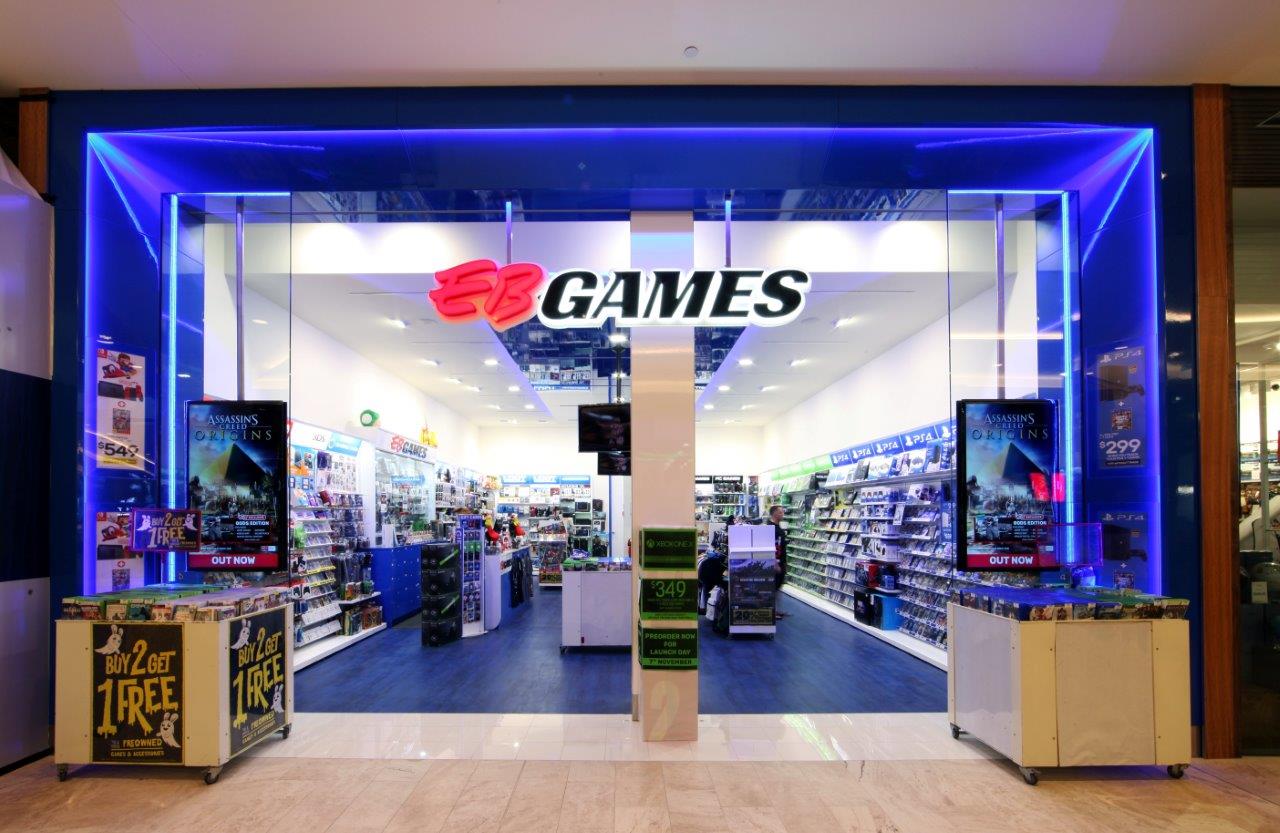
The Sony decision comes at a critical time for GameStop. The US retailer has been attempting to reposition its business as physical game sales continue to decline, while CEO Ryan Cohen has pursued investments and potential acquisitions outside the company’s traditional market.
GameStop recently proposed acquiring eBay in a transaction reportedly valued at about US$56 billion.
The proposal was rejected by eBay, while more recent reports indicate GameStop is considering withdrawing the bid and pursuing alternatives including a potential partnership or joint venture with the online marketplace.
GameStop has also built a stake of almost 10% in eBay.
The developments form part of GameStop’s broader efforts to identify new sources of revenue as its traditional physical games retail business faces structural changes.
Pressure on EB Games
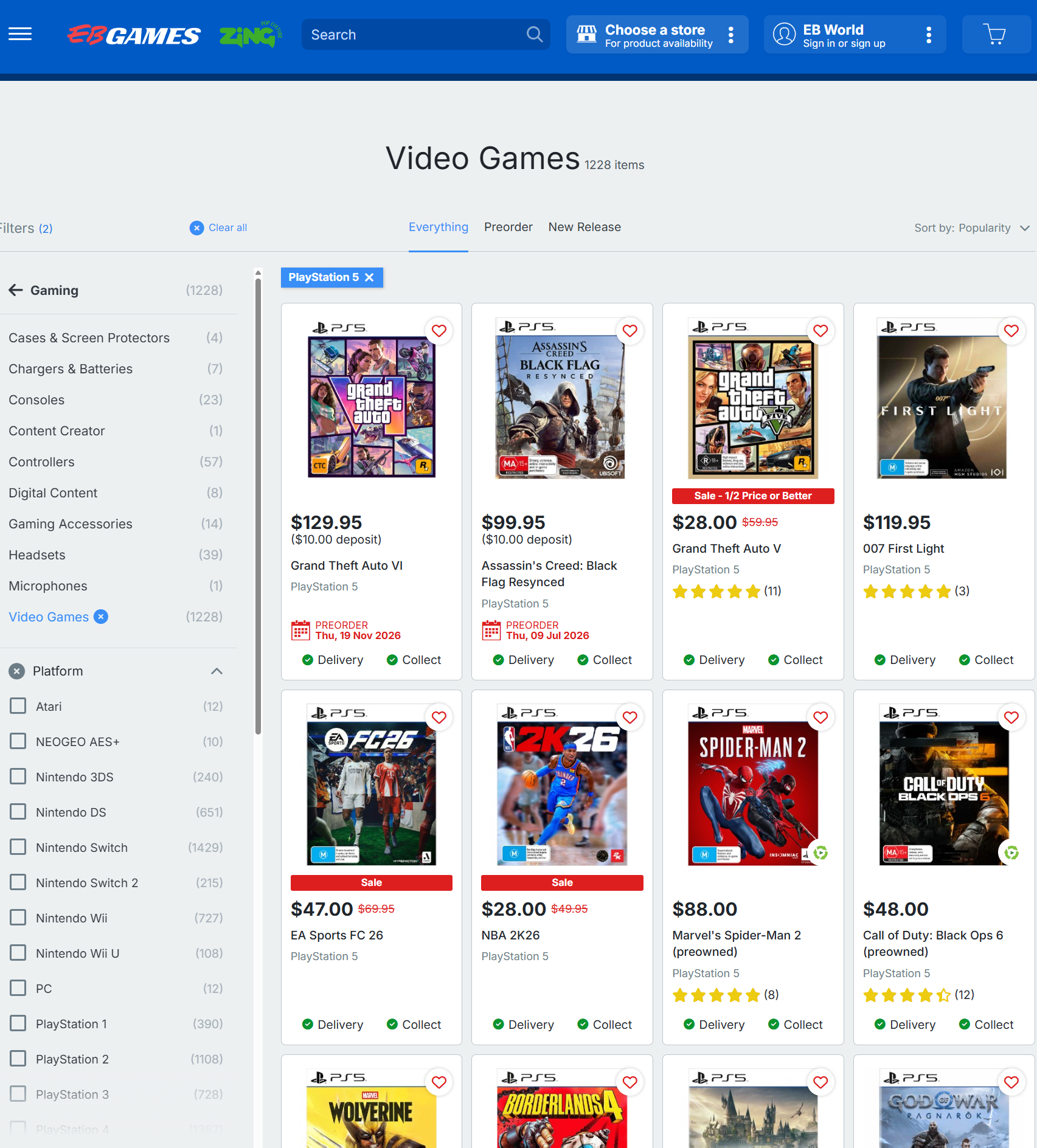
The developments are also significant for EB Games in Australia, where the business has been undergoing changes as physical game sales decline.
ChannelNews has previously reported on financial pressure facing EB Games, including losses recorded by the Australian business and significant payments made to its US parent.
The company has also closed stores and withdrawn from New Zealand, while increasing its focus on merchandise and collectibles.
The reduction in physical PlayStation releases would add to those pressures by reducing the range of new games that can be sold through traditional retail.
EB Games’ traditional business model has included new game sales, as well as trade-ins and pre-owned games. Digital purchases cannot be traded or resold, removing an important part of the traditional specialist games retail model.
A Changing Retail Model
The shift also affects the wider Australian games retail market, where physical game sales have traditionally helped retailers attract customers to stores who may also purchase consoles, controllers, accessories and other products.
As more games move to digital distribution, retailers are increasingly relying on hardware, accessories, collectibles and merchandise.
For EB Games, the reduction in physical releases could therefore further change the mix of products sold through its stores.
GameStop’s eBay proposal and its consideration of a potential partnership with the online marketplace are part of the company’s efforts to identify alternative uses and sources of revenue as the traditional games retail market changes.
The broader games industry, meanwhile, continues to release major new titles and generate revenue across digital and physical channels.
The contrast is increasingly evident between the performance of games publishers such as SEGA and the challenges facing retailers whose businesses have historically depended on physical game sales.