UPDATED: Matter Platform Gets Big Kick Along From Samsung & Google
 David Richards
13 Oct 2022
David Richards
13 Oct 2022

Matter the new connectivity platform for smart homes and offices, is set to get a big kick along, with Samsung confirming via a blog post, that their SmartThings platform which was pushed hard by the South Korean Company at IFA in Berlin earlier this month is set to be part of the Matter ecosystem.
We have also been able to confirm that Google, and Samsung’s SmartThings platform will also talk to each other.
This will simplify the smart home ecosystem, allowing many new homes to ditch expensive control systems such as Control 4.
The technology will also lower the cost of home automation by allowing entertainment, air conditioning, appliances, security, and lighting to be managed over the Matter platform which allows multiple devices from different brands such as Apple, Samsung, Amazon and Brilliant products to be connected over the same network.
Both Samsung and Google have announced a partnership that will ensure greater interoperability between the SmartThings and Google Home ecosystems.
During keynote presentation at the Samsung Developer Conference Samsung showed off a bevy of software updates coming to phones, TVs, appliances and other devices that are designed to make them better connected and more protected using a combination of Matter and SmartThings to connect device.
Samsung claim that they are set to roll out what they are calling “Calm Technology,” or smoothing out the process of linking smart devices to work together instantly.
At IFA 2022 we heard a lot about SmartThings this platform has now been expanded to include integrations with devices for energy, pets and cooking as well as Samsung’s own Hub.
They have also confirmed that SmartThings users can also onboard Philips lighting platform Hue as well as integrate into Matter the new connectivity smart home standard.
Samsung also has a new security feature that doesn’t just protect your network of smart devices but also relies on them.
Knox Matrix is a new security system that links all your devices together in a private blockchain that has nothing to do with cryptomining, instead using the group verification system to make sure your Galaxy phone, router, smart TV and other appliances agree that they’re all safe. If one device has been compromised, the others shut it out of the network automatically.
Samsung chose to use the private blockchain concept instead of verifying through the cloud because the company wanted a more local, distributed way of ensuring security.
Some experts claim that this is more about Samsung capturing information about which products consumers are using from their competitors such as LG Electronics and Electrolux.
Samsung claim that devices will be able to manage themselves, checking if they’re on the latest software and even downloading updates locally on one device (like a phone or router) and then sending it to another that’s on older software versions. It’s an interesting way to think about smart home security, and users will be able to try it out starting with Samsung devices launching in 2023 — and at some point, with products from partner companies.

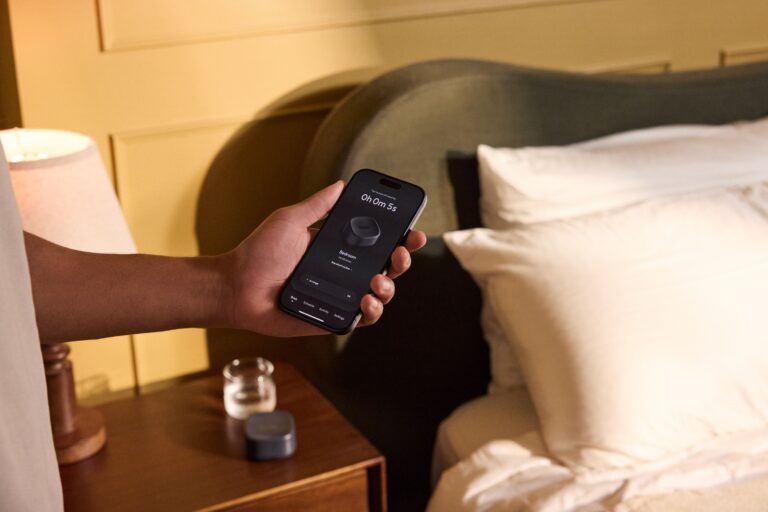
Whether you’re using a Samsung Galaxy phone and tablet or a Google mobile device, you’ll be able to see which Matter devices are on your network. You can control an air purifier or dehumidifier or a multitude of audio speakers via voice command or an app.
Whether that’s using SmartThings to integrate devices initially set-up with Google Home or vice-versa.
It’s essentially an extension of Matter’s multi-admin feature that ensures that all Matter compatible devices can be controlled by Matter-supporting platforms beyond the home manufacturer.
“When users go into the SmartThings app, they will be made aware of Matter devices that have been set up with Google Home and will be given a choice to easily onboard those devices to SmartThings, and vice-versa,” Samsung says in a blog post today.
“Now, whether users want to control their smart home on their SmartThings app or a Google Nest Hub, the devices will always be there. Users won’t have to manually add each of their devices one at a time or worry about which ecosystem their device has been set up on first.”
So, regardless of whether you’re using the Google Home app or the Smart Things app, all of your Matter compatible devices will be easily controllable. The Matter multi-admin feature will be available within the company weeks, Samsung says.