Margin Erosion & Fall In Basket Size Driving New Officeworks Strategy
 David Richards
20 Nov 2025
David Richards
20 Nov 2025

Severe margin erosion in once-high-profit categories such as stationary —combined with a sharp collapse in average cart value—has triggered mass retrenchments and a major strategic overhaul at Wesfarmers-owned Officeworks.
According gtoformer senior management, the retailer is now scrambling to regain lost ground through an aggressive and, according to some suppliers, questionable push into its Burrows house-brand range.
High-margin stationery and printer categories, which historically delivered margins exceeding 50 to 70% margins, have deteriorated rapidly.
In response, management has shifted toward what several affected brands describe as “a desperate strategy,” replacing well-known accessory and technology brands with cheaper private-label alternatives.
Some suppliers warn that customers will quickly realise Officeworks’ house-brand products resemble those sold on Temu and AliExpress—often at lower prices direct from China.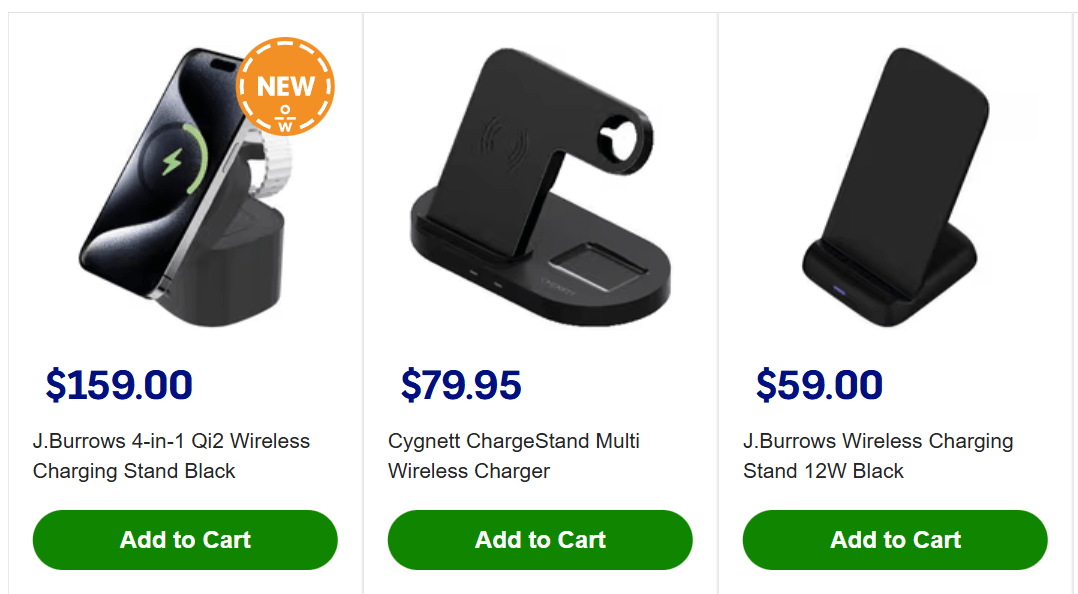
The printer category has become particularly problematic: under pressure because printer brands such as Brother, Epson, Canon, and HP, Officeworks has resorted to selling ultra-low-cost printers, some priced as low as $79
Consumers soon discover that replacement ink can cost three times the price of the printer.
Sources say customers are increasingly returning to Officeworks, buying a new printer, removing the included cartridges, and in some cases leaving the printer at the store – effectively avoiding paying $190 for ink alone.
Officeworks has reportedly attempted to recover those units by seeking replacement ink from brands so they can put the returned printers back on shelves.
Insiders claim that the average basket size at Officeworks has plummeted from $47 to around $18 as shoppers walk past traditionally high-margin items such as stationery, paper, staplers, and printers, due to the use of digital messaging as opposed to paper and ink products.
Last week I was told after sitting down with a solicitor to sign a 100 page + contract that it had been deemed void by the other side because it had been signed with “wet ink” as opposed to being digitally signed. 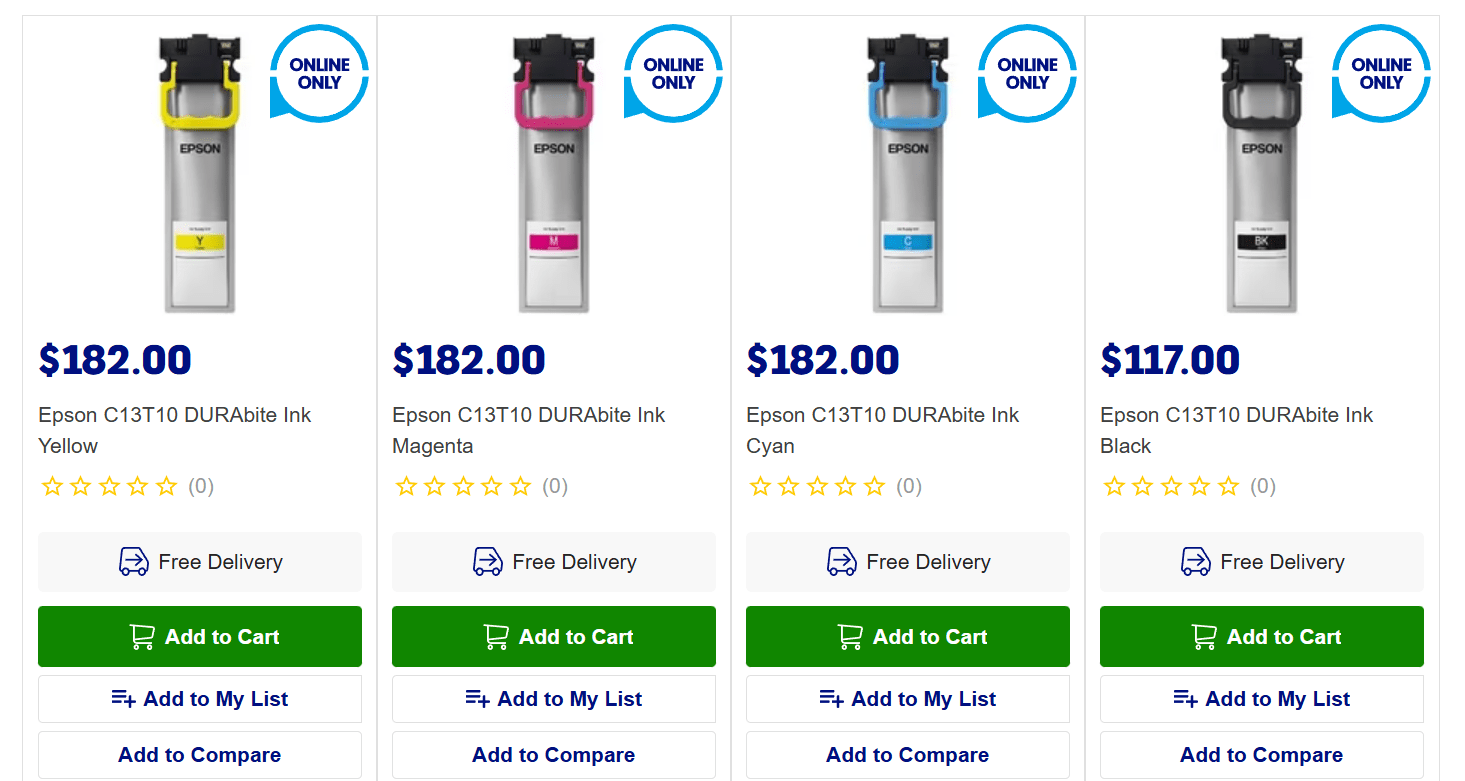
It was quickly pointed out to the younge lawyer that “wet ink” contracts signed with a pen are actually legal documents.
Former employees claim that sales of major brands like Belkin and Cygnett have already fallen with some well known brands already witnessing a fall of 60% as branded products are replaced with Burrows-label products at Officeworks.
Next year several suppliers of branded products are set to have no revenue at Officeworks.
Newly appointed CEO John Gualtieri—formerly CEO of Kmart and Target—is now accelerating the expansion of Burrows across multiple categories.
The shake-up follows a period of slowing category growth for Officeworks.
In the technology category a change in strategy following the appointment of former Harvey Norman buyer Anthony Liberto as Head of Category for Computers and Print appears to have also failed.
Under Liberto, Officeworks pursued growth categories dominated by rival JB Hi-Fi, though attempts to sell TVs and other high-growth electronics failed to deliver stronger profits.
JB Hi-Fi countered by selling printer ink at cost.
For the year ending 30 June 2025, Wesfarmers reported revenue of $3.57 billion, up 3.8% year-on-year.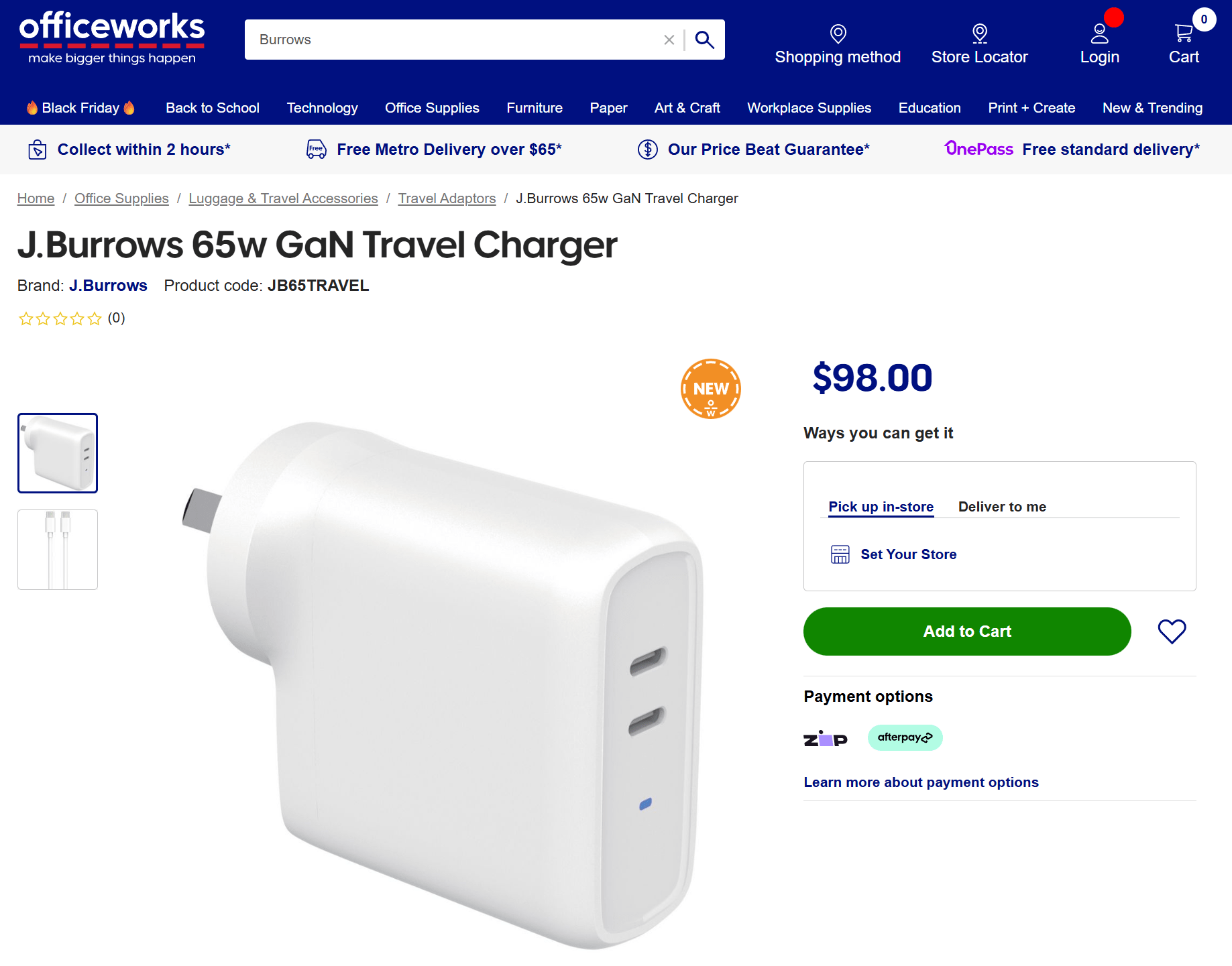
Officeworks delivered $212 million in profit—up 1.9%—a result competitors describe as underwhelming.
For the year ended June 2025, JB Hi‑Fi Limited reported a profit increase of 7.3 %.
At The Good Guys, underlying EBIT (excluding a one-off A$13.7 million expense due to a fine by the ACCC) increased by 9.7% to A$173.5 million.
While growth was labelled “solid,”at Officeworks it lagged behind other competitors.
Leadership changes began earlier this year, when Wesfarmers announced that Managing Director Sarah Hunter would depart, with Gualtieri stepping in.
Internally at Wesfarmers, he is viewed as a transformation specialist, credited with rebuilding Kmart through an extensive house-brand model.
Officeworks is now betting that its Burrows strategy will boost margins in 2026, though concerns remain about shrinking basket sizes and the potential fallout for long-standing suppliers including Comsol, Targus, Ugreen and Kensington in categories such as accessories.
The shift to private label gives Wesfarmers greater control over sourcing through its Hong Kong and China operations, while also allowing direct oversight of design and margin structures traditionally held by manufacturers and distributors claim sources.
Executives argue this model enables quicker responses to consumer trends. Kmart’s triumphant Anko brand—now representing 85% of its product range—is cited internally as proof that private label can dominate retail categories.
Industry analysts confirm that private label is rising sharply across Australian retail, with many observing Anko’s success closely. Officeworks insiders say the new management team is focused on capturing higher margins and reducing reliance on national brands.
Wesfarmers—already executing this house-brand model at Kmart, Bunnings, and now Officeworks—plans to expand into adjacent categories while controlling more exclusive product lines and SKUs. The broader corporate strategy emphasises “earnings faster than sales,” improved product differentiation, and stronger competitive moats built through exclusive house-brand ranges.
With tighter control over design, sourcing, and manufacturing, Wesfarmers aims to enhance margins, increase agility, and replicate the supply-chain efficiencies already powering the global expansion of Kmart’s Anko.