Logitech Launches MX Master 4 Mouse – Up To 15% Of Consumers Will Miss Out
 David Richards
01 Oct 2025
David Richards
01 Oct 2025
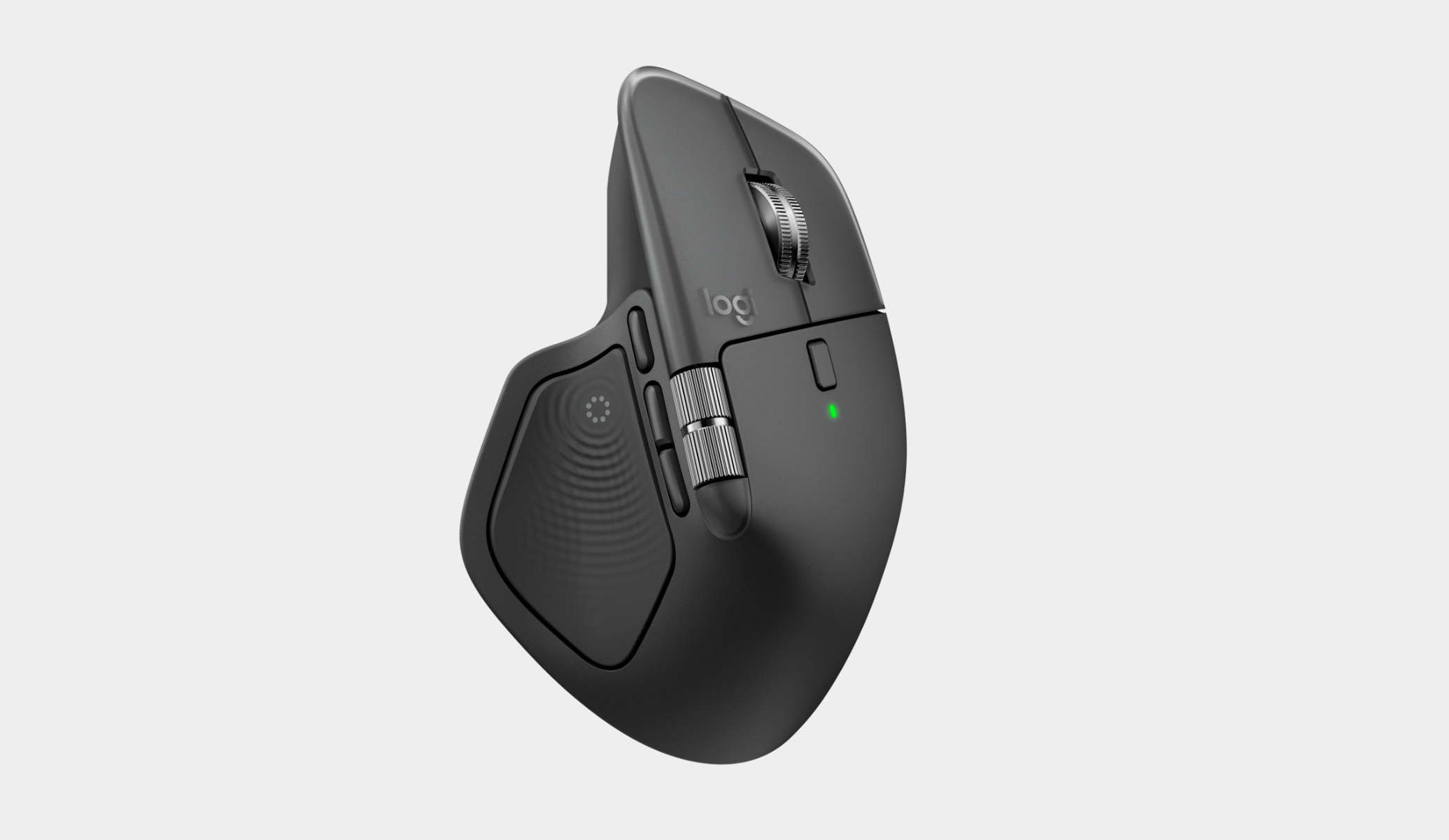
At a gala event at the Sydney Opera House, Logitech unveiled its latest innovation — the motorised MX Master 4 mouse, featuring haptic feedback designed to enhance productivity and creativity. But while the technology marks a leap forward, up to 15% of the world’s population won’t be able to use it.
That’s because Logitech has once again limited its flagship MX range to right-handed users only. Despite criticism, the company has offered little explanation, beyond suggesting that reversing the thumb grip design for left-handers would drive up manufacturing costs.
For left-handed users, the decision is disappointing — particularly when left-handed versions of products like golf clubs are commonplace. Even in markets such as the U.S., where left-handed people make up a significant proportion of the population, a premium left-handed MX mouse is off the table.
Notably, some of history’s most influential figures — Leonardo da Vinci, Albert Einstein, Barack Obama, Sir Paul McCartney and Tom Cruise — are left-handed, proving intelligence and creativity are hardly limited to one hand.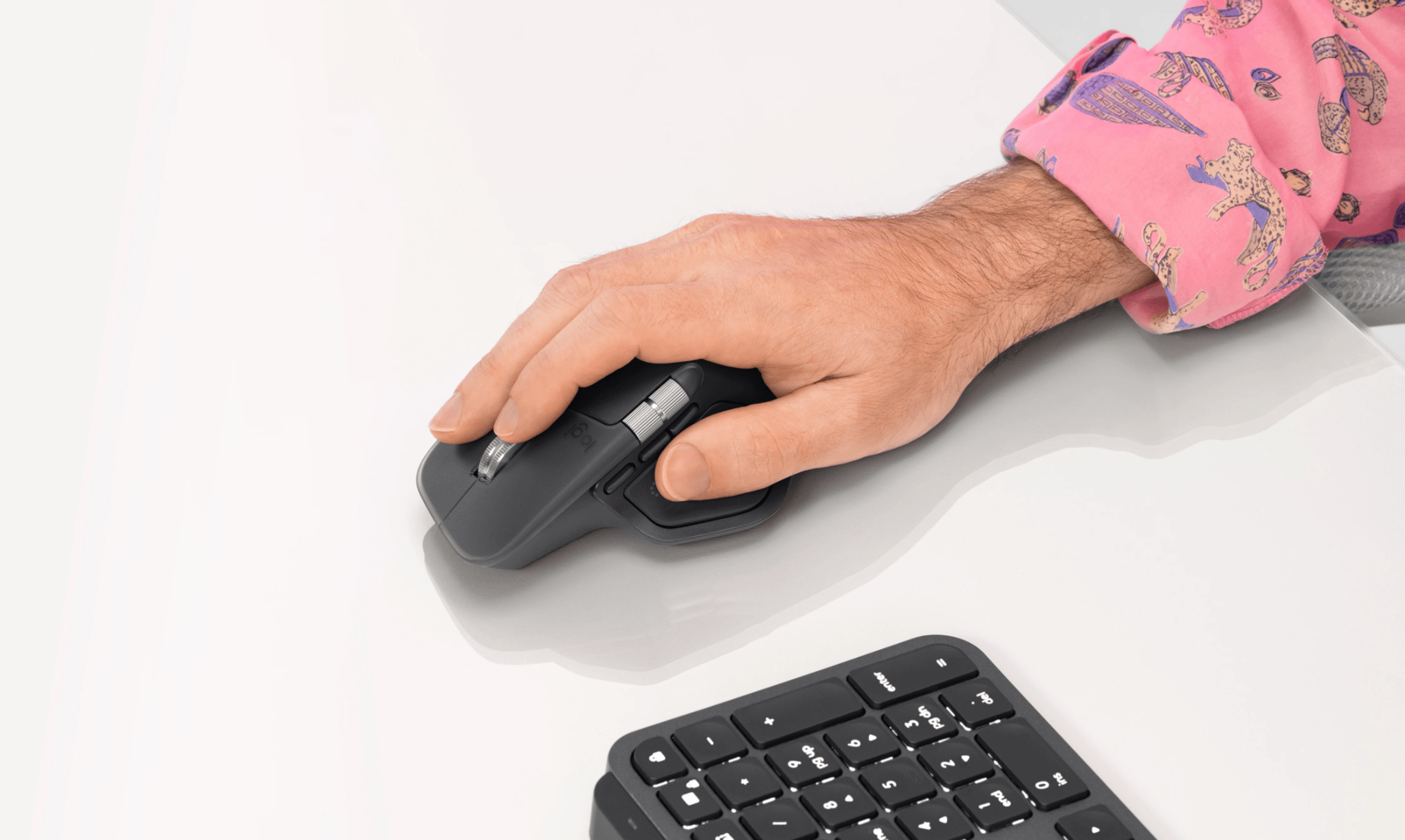
A Step Forward in Haptics
For those who can use it, the MX Master 4 introduces a built-in motor that delivers tactile feedback. Logitech says this will help creative professionals by making digital interactions feel more intuitive and efficient.
Haptics can be adjusted or switched off entirely, with feedback ranging from gentle vibrations for low battery warnings or Bluetooth pairing to tactile responses in creative applications. A new “Actions Ring” overlay lets users customise shortcuts — such as brightness or contrast adjustments — and integrates directly with leading AI platforms like ChatGPT, Google Gemini, Microsoft Copilot and Perplexity.
Limited App Support (For Now)
To use the haptic system, app developers need to integrate a Logitech plug-in. At launch, only a handful have committed — including Adobe (Photoshop, Lightroom, Premiere Pro) and Zoom. Broader adoption will be critical if Logitech wants haptics to be more than a novelty.
Compared to smartphones or gaming controllers, the MX 4’s haptics are less refined, but they still add a new layer of interaction rarely seen in productivity hardware.
Design Upgrades
Beyond haptics, the MX Master 4 features several refinements:
A new cleaner, smoother coating that resists wear and smudges while keeping grip solid.
Quieter, redesigned buttons with a premium translucent finish.
Improved connectivity strength, thanks to upgraded antennas and chips.
Support for both Bluetooth and Logitech’s updated USB-C receiver.
A battery life of up to 70 days, with one minute of charging providing three hours of use.
Peak sensitivity remains unchanged at 8,000 DPI, and the mouse continues to offer multi-device pairing for up to three devices.
Availability
The Logitech MX Master 4 will be available in October for A$199, with separate versions for Windows and macOS.
“We believe haptics are a big part of the future of productivity,” said Alexandre Zreikat, senior product manager for the MX line. “It forges a deeper, more intuitive connection to digital content.”