LG & Samsung Facing Pricing Dilemma Big Price Rises Tipped
 David Richards
13 Aug 2025
David Richards
13 Aug 2025
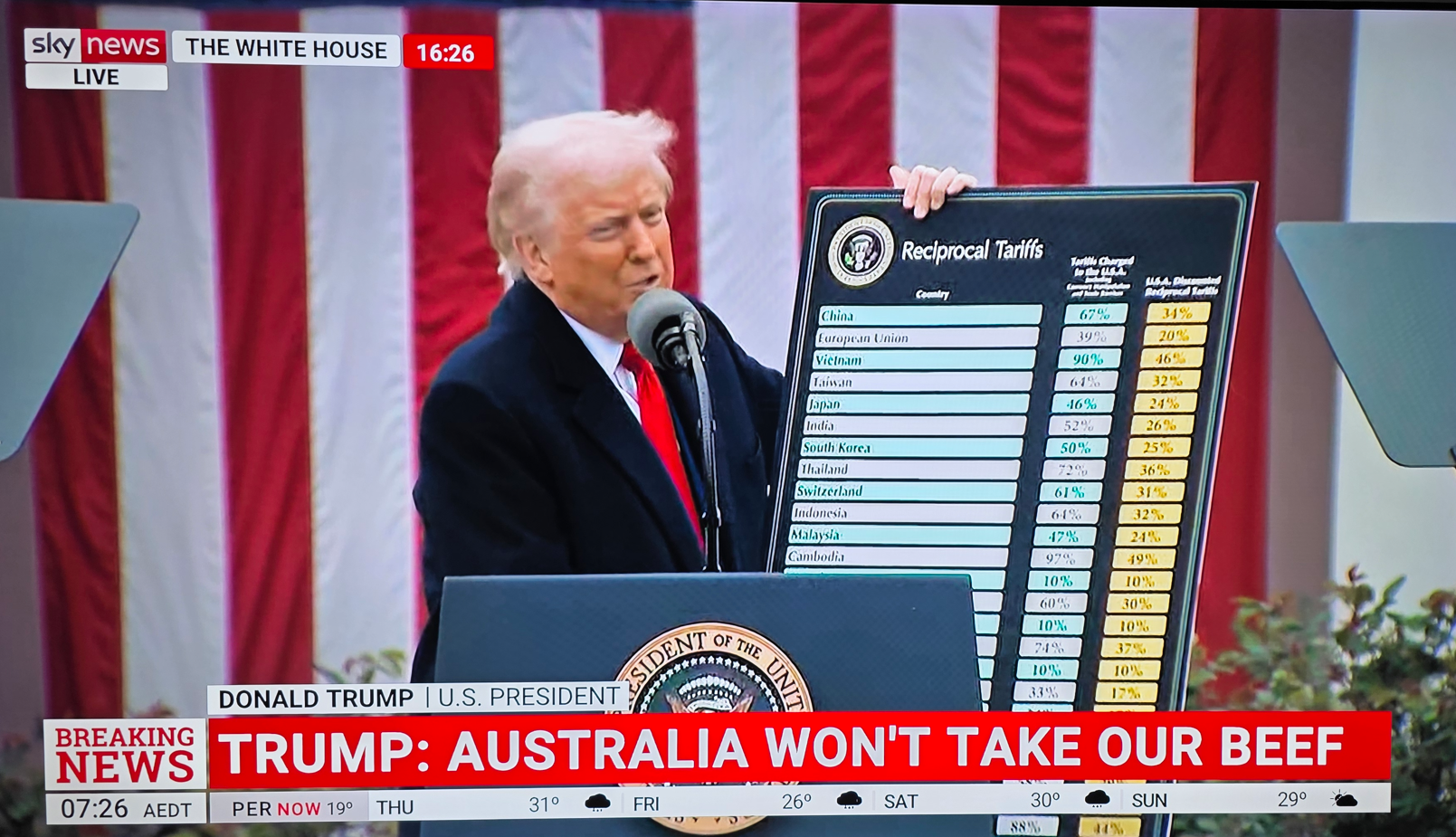
Samsung Electronics and LG Electronics is weighing global price hikes that could see Australians paying more for the company’s smartphones appliances and TVs, as the South Korean tech giant scrambles to offset the impact of looming US tariffs and big price hits for US consumers.
The move — which could be announced as early as next week — comes as the Trump administration considers tariffs of up to 25% on smartphones TVs appliances, and other electronics. If applied, Samsung’s Galaxy S25 base model, currently priced at $1,737 for 256GB, in Australia could jump by nearly $100. Next year’s Galaxy S26 could face price increases of 30%.
LG Electronic TV’s and appliances could rise in price by over 10%
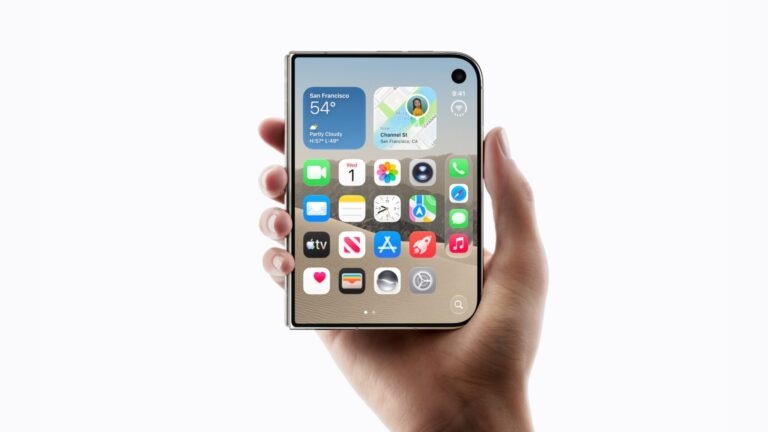
Another problem for Samsung is that arch rival Apple in the smartphone and tablet markets, may be spared after CEO Tim Cook appears to have cut a deal with US President Trump.
Despite manufacturing 90% of iPhones in China, Apple’s pledge to invest $600 billion in US production over the next four years, creating 20,000 jobs, has won praise from President Trump — and potentially a tariff exemption.
Industry analysts warn this would put Samsung and fellow South Korean giant LG Electronics at a serious disadvantage in the critical US market, which accounts for a large share of their revenues.
Samsung currently makes 50–60% of its smartphones in Vietnam, with the rest built in India, Korea, and South America. It shut down Chinese handset production in 2019.
“The US Department of Commerce’s investigation is wide-ranging — from semiconductors to finished goods like smartphones, tablets, PCs and monitors,” Samsung CFO Park Soon-cheol said in July. “We expect the impact on our business to be significant.”
While post-launch price rises are rare for Samsung, a company official acknowledged they could be considered in “special cases like tariffs.”
Insiders claim that Samsung is also exploring large-scale US investments or moving some production to the USA though high labour costs remain a major obstacle.
Samsung’s share of the US smartphone market reached 31% in the second quarter, narrowing Apple’s lead to 18 points from 33 a year earlier, according to Canalys.
But analysts warn tariff-driven price hikes could erode those gains.
“Apple’s preemptive investment announcement appears to have been made with potential smartphone tariffs in mind,” said Kim Rok-ho, an analyst at Hana Securities. “If devices like smartphones and PCs are included, Korean products will inevitably be at a disadvantage.”
If you want, I can also make a punchier, headline-driven version suitable for news sites where the tariff threat and Apple’s exemption angle really stand out. Would you like me to prepare that version?